
Shenzhen Cadro Hydraulic Equipment Co.,Ltd
Views: 220 Author: Site Editor Publish Time: 2025-12-11 Origin: Site


Content Menu
● Understanding Intelligent Hydraulic Supporting Systems
>> What is an Intelligent Hydraulic Supporting System?
>> Key Components of the System
● Advantages of Intelligent Hydraulic Supporting Systems
>> Enhanced Stability and Safety
>> Flexibility and Adaptability
● Applications of Intelligent Hydraulic Supporting Systems
>> Emergency Response Vehicles
● Future Trends in Intelligent Hydraulic Systems
In the realm of modern engineering, the integration of intelligent hydraulic systems into special vehicles has revolutionized the way these machines operate. These systems not only enhance performance but also improve safety, efficiency, and reliability. This article delves into the myriad benefits of adopting an intelligent hydraulic supporting system for special vehicles, exploring its components, functionalities, and the significant advantages it offers.
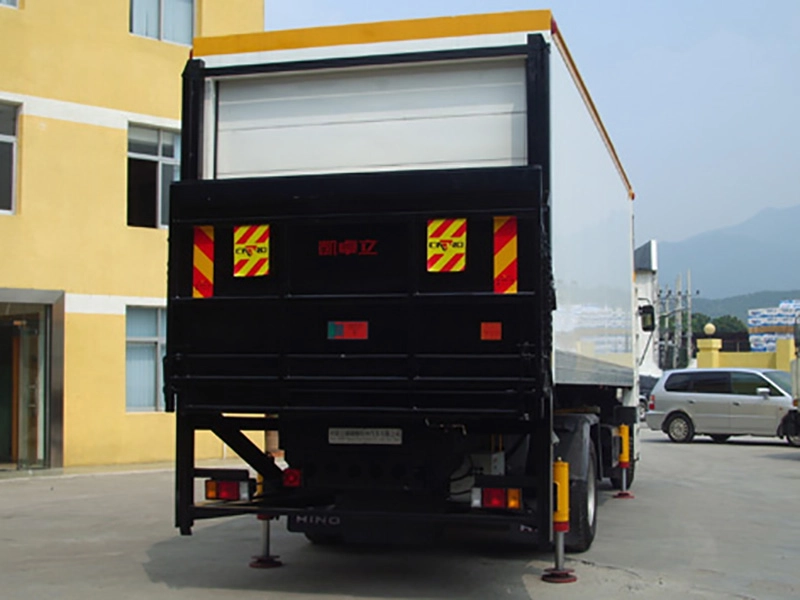
An intelligent hydraulic supporting system is a sophisticated mechanism that utilizes hydraulic power to provide stability and support to vehicles, particularly those designed for specialized tasks. These systems are equipped with advanced sensors and control algorithms that allow for real-time adjustments based on the vehicle's operational conditions.
1. Hydraulic Cylinders: These are the primary components that convert hydraulic energy into mechanical force, enabling the lifting and stabilization of the vehicle.
2. Sensors: Integrated sensors monitor various parameters such as pressure, temperature, and load, ensuring optimal performance and safety.
3. Control Unit: This unit processes data from the sensors and adjusts the hydraulic system's operations accordingly, allowing for precise control.
4. Power Supply: Typically powered by the vehicle's battery, the hydraulic system operates efficiently without requiring additional energy sources.
One of the most significant benefits of intelligent hydraulic systems is their ability to provide enhanced stability. By automatically adjusting the hydraulic pressure based on the load and terrain, these systems ensure that the vehicle remains balanced, reducing the risk of tipping or rolling over. This is particularly crucial for special vehicles that operate in challenging environments, such as construction sites or off-road conditions.
Intelligent hydraulic systems optimize the use of hydraulic fluid, reducing waste and improving overall efficiency. By utilizing sensors to monitor the system's performance, these systems can adjust fluid flow and pressure dynamically, ensuring that the vehicle operates at peak efficiency. This not only saves energy but also extends the lifespan of the hydraulic components.
With the integration of smart technology, these hydraulic systems can predict potential failures before they occur. By continuously monitoring the system's health, the control unit can alert operators to maintenance needs, reducing downtime and repair costs. This predictive maintenance capability is a game-changer for fleet management, allowing for better planning and resource allocation.
Intelligent hydraulic systems are designed to be flexible and adaptable to various applications. Whether it's a mobile crane, a specialized transport vehicle, or a construction machine, these systems can be customized to meet specific operational requirements. This versatility makes them an ideal choice for manufacturers and operators looking to enhance their vehicle capabilities.
As industries move towards more sustainable practices, intelligent hydraulic systems contribute to reducing the environmental impact of special vehicles. By optimizing energy consumption and minimizing hydraulic fluid leakage, these systems help lower the carbon footprint associated with vehicle operations. Additionally, many modern hydraulic fluids are designed to be biodegradable, further enhancing their environmental credentials.
In the construction industry, vehicles such as excavators and cranes benefit significantly from intelligent hydraulic systems. These systems provide the necessary support and stability when lifting heavy loads, ensuring safety and efficiency on job sites.
Farm equipment, including tractors and harvesters, utilizes intelligent hydraulic systems to enhance performance. These systems allow for precise control of implements, improving productivity and reducing operational costs.
Specialized vehicles used in emergency response, such as fire trucks and ambulances, rely on intelligent hydraulic systems for stability and maneuverability. These systems ensure that the vehicles can operate effectively in critical situations, providing essential services without compromising safety.
In military operations, vehicles must perform under extreme conditions. Intelligent hydraulic systems provide the necessary support and adaptability for military vehicles, ensuring they can navigate challenging terrains while maintaining stability and control.
The future of intelligent hydraulic systems lies in their integration with the Internet of Things (IoT). By connecting these systems to a network, operators can monitor performance remotely, receive real-time data, and make informed decisions about maintenance and operation.
The development of advanced materials for hydraulic components will enhance the durability and efficiency of these systems. Lightweight and high-strength materials will reduce the overall weight of the hydraulic system, improving vehicle performance.
As automation and artificial intelligence continue to evolve, intelligent hydraulic systems will become even more sophisticated. AI algorithms will enable these systems to learn from operational data, optimizing performance and enhancing safety features autonomously.
Choosing an intelligent hydraulic supporting system for special vehicles is a strategic decision that can lead to significant improvements in performance, safety, and efficiency. With their advanced technology and adaptability, these systems are poised to become a standard in various industries, from construction to agriculture and beyond. As technology continues to advance, the benefits of intelligent hydraulic systems will only grow, making them an essential component of modern vehicle design.

1. What are the main benefits of using an intelligent hydraulic supporting system?
- The main benefits include enhanced stability, improved efficiency, predictive maintenance, flexibility, and environmental sustainability.
2. How do intelligent hydraulic systems improve safety?
- They provide real-time adjustments to maintain vehicle balance and stability, reducing the risk of accidents.
3. Can these systems be customized for different types of vehicles?
- Yes, intelligent hydraulic systems can be tailored to meet the specific needs of various applications, including construction, agriculture, and emergency response.
4. What role do sensors play in these systems?
- Sensors monitor critical parameters such as pressure and load, allowing the control unit to optimize system performance dynamically.
5. How does predictive maintenance work in intelligent hydraulic systems?
- By continuously monitoring system health, these systems can alert operators to potential issues before they lead to failures, minimizing downtime and repair costs.
Hot Tags: China, Global, OEM, private label, manufacturers, factory, suppliers, manufacturing company