
Shenzhen Cadro Hydraulic Equipment Co.,Ltd
Views: 220 Author: cadrotaillift Publish Time: 2026-01-21 Origin: Site


Content Menu
● Understanding Cooling Solutions
>> What is Container Liquid Cooling?
>> Long-Term Financial Implications
>> Water Usage
>> 1. What are the main advantages of container liquid cooling over traditional HVAC?
>> 2. Are container liquid cooling systems more expensive to install?
>> 3. How do container liquid cooling systems impact the environment?
>> 4. Can traditional HVAC systems be easily scaled?
>> 5. What is the significance of Power Usage Effectiveness (PUE)?
In the rapidly evolving landscape of data centers and high-performance computing environments, the choice of cooling solutions is critical. As the demand for processing power increases, so does the need for efficient cooling systems. This article explores the differences between container liquid cooling solutions and traditional HVAC systems, focusing on cost and efficiency.
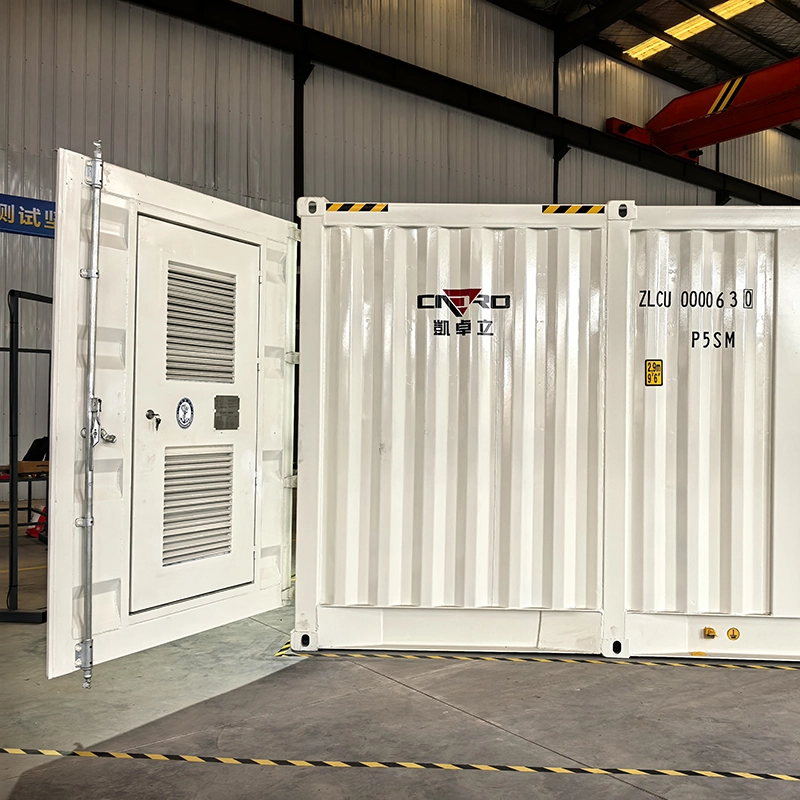
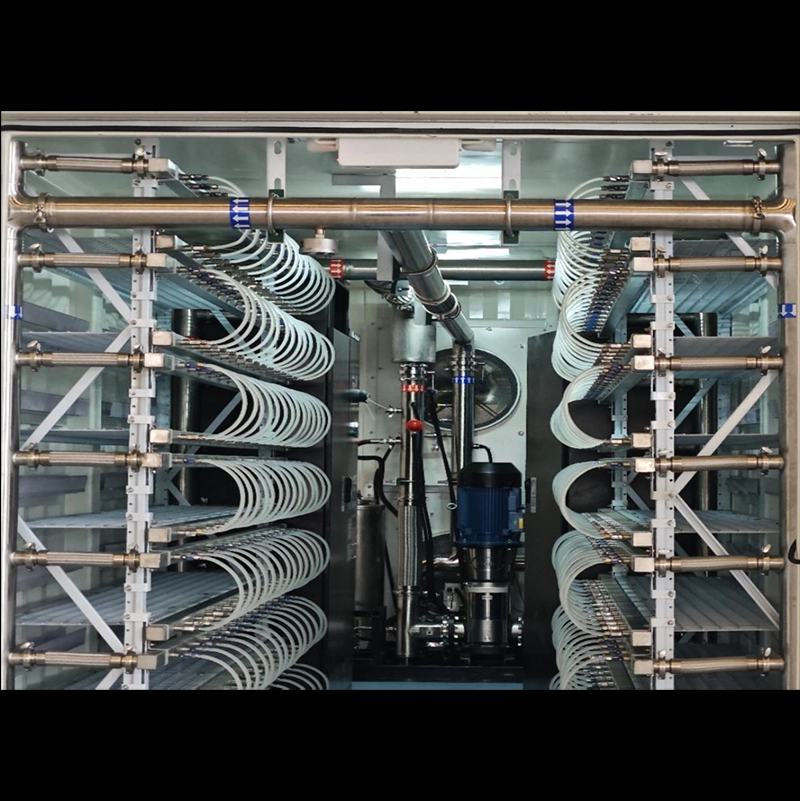
Container liquid cooling involves the use of liquid to absorb and dissipate heat from servers and other electronic equipment. This method typically utilizes a closed-loop system where coolant circulates through pipes or directly to the components that generate heat. The primary advantage of this system is its ability to manage high heat loads effectively, making it ideal for high-density computing environments.
Traditional HVAC (Heating, Ventilation, and Air Conditioning) systems use air as the primary medium for cooling. These systems often rely on large air conditioning units, fans, and ductwork to circulate cool air throughout a facility. While HVAC systems have been the standard for many years, they face challenges in efficiency and effectiveness, especially in high-density environments.
One of the most significant factors in choosing between container liquid cooling and traditional HVAC is the initial investment.
- Container Liquid Cooling: The upfront costs for container liquid cooling systems can be higher due to the specialized equipment and installation requirements. However, these systems are often modular, allowing for scalability as needs grow.
- Traditional HVAC: Traditional HVAC systems generally have lower initial costs. They are easier to install and require less specialized knowledge. However, the long-term operational costs can be higher due to energy consumption and maintenance needs.
Operational costs encompass energy consumption, maintenance, and potential downtime.
- Container Liquid Cooling: These systems are designed for energy efficiency. They can significantly reduce energy consumption by targeting cooling directly at heat sources, which minimizes waste. Additionally, maintenance is often less frequent due to the closed-loop nature of the system.
- Traditional HVAC: While traditional systems may have lower upfront costs, they often incur higher operational costs. The energy required to cool large volumes of air can be substantial, and maintenance can be more frequent due to the complexity of the systems involved.
When evaluating the total cost of ownership (TCO), container liquid cooling solutions often prove to be more cost-effective over time. The energy savings and reduced maintenance costs can offset the higher initial investment, making them a more attractive option for organizations looking to future-proof their data centers.
Cooling efficiency is a critical factor in the performance of data centers.
- Container Liquid Cooling: This method excels in cooling efficiency. By directly cooling components, it can maintain optimal operating temperatures even in high-density environments. This efficiency allows for higher performance and reliability of servers.
- Traditional HVAC: Traditional systems often struggle to maintain consistent temperatures, especially in high-density setups. Hot spots can develop, leading to potential overheating and reduced performance. While hot/cold aisle configurations can improve efficiency, they still cannot match the targeted cooling of liquid systems.
Energy efficiency is increasingly important in the context of sustainability and operational costs.
- Container Liquid Cooling: These systems typically have a lower Power Usage Effectiveness (PUE) ratio, indicating better energy efficiency. The ability to cool directly at the source reduces the overall energy required for cooling.
- Traditional HVAC: Traditional systems often have higher PUE ratios due to the energy consumed by fans and air conditioning units. The reliance on air circulation can lead to inefficiencies, particularly in larger facilities.
Water usage is a significant consideration in cooling systems, especially in regions where water is scarce.
- Container Liquid Cooling: These systems often use less water than traditional HVAC systems, which can rely on evaporative cooling methods. This reduction in water usage is beneficial for both cost savings and environmental sustainability.
- Traditional HVAC: Many traditional systems require significant water for cooling, which can be a drawback in areas facing water shortages. The environmental impact of water usage is an important factor for organizations aiming to reduce their ecological footprint.
The carbon footprint of cooling systems is becoming a critical concern for many organizations.
- Container Liquid Cooling: By reducing energy consumption and water usage, container liquid cooling solutions can help lower the overall carbon footprint of data centers. This aligns with the growing emphasis on sustainability in business operations.
- Traditional HVAC: The higher energy consumption associated with traditional HVAC systems can lead to a larger carbon footprint. As organizations strive to meet sustainability goals, the environmental impact of their cooling solutions is increasingly scrutinized.
Container liquid cooling systems are inherently modular, allowing organizations to scale their cooling capacity as needed. This flexibility is particularly advantageous for rapidly growing businesses or those with fluctuating demands.
While traditional HVAC systems can be modified, they often require significant infrastructure changes to accommodate growth. This lack of flexibility can be a disadvantage for organizations that need to adapt quickly to changing conditions.
In conclusion, the choice between container liquid cooling solutions and traditional HVAC systems involves careful consideration of costs, efficiency, and environmental impact. While traditional HVAC systems may offer lower initial costs, container liquid cooling solutions provide significant advantages in energy efficiency, operational costs, and scalability. As data centers continue to evolve, the trend towards more efficient and sustainable cooling solutions is likely to grow.
Container liquid cooling offers higher energy efficiency, reduced operational costs, and better performance in high-density environments compared to traditional HVAC systems.
Yes, container liquid cooling systems typically have a higher initial investment due to specialized equipment, but they can lead to lower long-term operational costs.
These systems generally use less water and energy, resulting in a lower carbon footprint compared to traditional HVAC systems.
Scaling traditional HVAC systems often requires significant infrastructure changes, making them less flexible than container liquid cooling solutions.
PUE is a measure of energy efficiency in data centers. A lower PUE indicates better energy efficiency, which is a key advantage of container liquid cooling systems.
Hot Tags: China, Global, OEM, private label, manufacturers, factory, suppliers, manufacturing company