
Shenzhen Cadro Hydraulic Equipment Co.,Ltd
Views: 220 Author: cadrotaillift Publish Time: 2026-01-21 Origin: Site


Content Menu
● Understanding Container Liquid Cooling Solutions
>> Components of Container Liquid Cooling Systems
>> How Container Liquid Cooling Works
● The Importance of Container Liquid Cooling Solutions
>> Enhanced Cooling Efficiency
>> Scalability and Flexibility
>> Improved Reliability and Longevity
● Applications of Container Liquid Cooling Solutions
>> Data Centers
>> High-Performance Computing (HPC)
● Future Trends in Container Liquid Cooling Solutions
>> Integration with Renewable Energy
>> Advancements in Cooling Technology
>> Increased Adoption in Various Industries
In the rapidly evolving landscape of technology, the demand for efficient cooling solutions has never been more critical. As data centers and high-performance computing environments grow in complexity and density, traditional air cooling methods are increasingly inadequate. This is where container liquid cooling solutions come into play, offering a robust alternative that addresses the challenges of modern computing environments. This article delves into what container liquid cooling solutions are, their benefits, and why they are essential for today's technological demands.
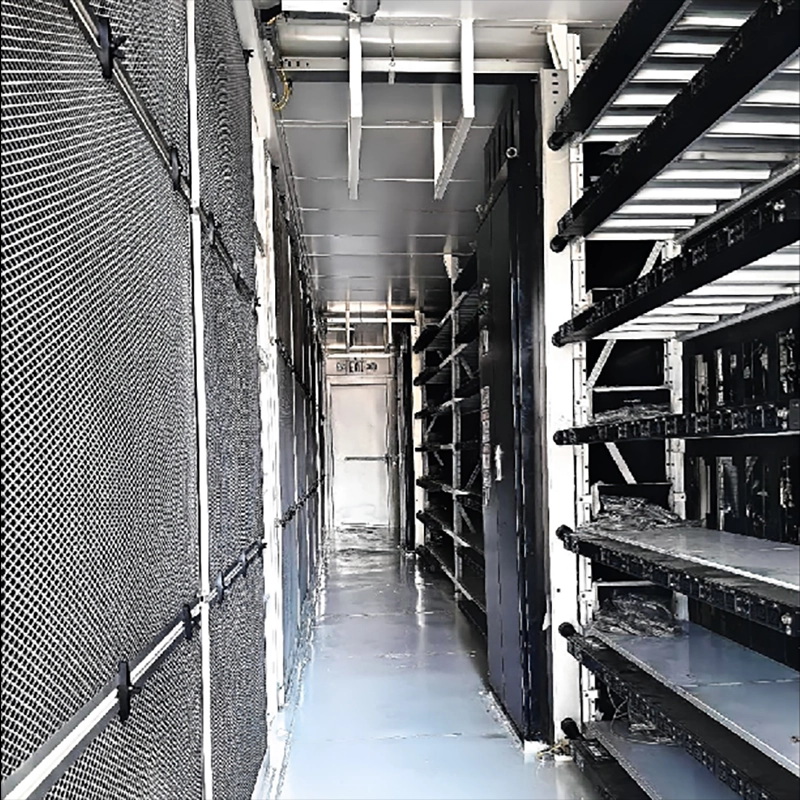
Liquid cooling is a method that uses liquid as a coolant to absorb and dissipate heat from computer components. Unlike air cooling, which relies on airflow to remove heat, liquid cooling systems can transfer heat more efficiently due to the higher thermal conductivity of liquids. This method is particularly beneficial in environments where high-density computing generates significant heat.
Container liquid cooling solutions typically consist of several key components:
- Cooling Units: These units circulate coolant through the system, absorbing heat from the components.
- Heat Exchangers: These devices transfer heat from the coolant to the external environment, allowing for effective heat dissipation.
- Pumps: Pumps are essential for moving the coolant through the system, ensuring that heat is continuously removed from the components.
- Reservoirs: These hold the coolant and help maintain the system's pressure and flow.
In a container liquid cooling system, coolant is circulated through pipes that are in direct contact with heat-generating components, such as CPUs and GPUs. As the coolant absorbs heat, it is pumped to a heat exchanger, where the heat is released into the environment. This process allows for more efficient cooling compared to traditional air cooling methods, which can struggle to keep up with the heat generated by modern hardware.
One of the primary advantages of container liquid cooling solutions is their superior cooling efficiency. Liquid can absorb and transfer heat much more effectively than air, allowing for lower operating temperatures. This is crucial in high-performance computing environments where overheating can lead to hardware failure and reduced performance.
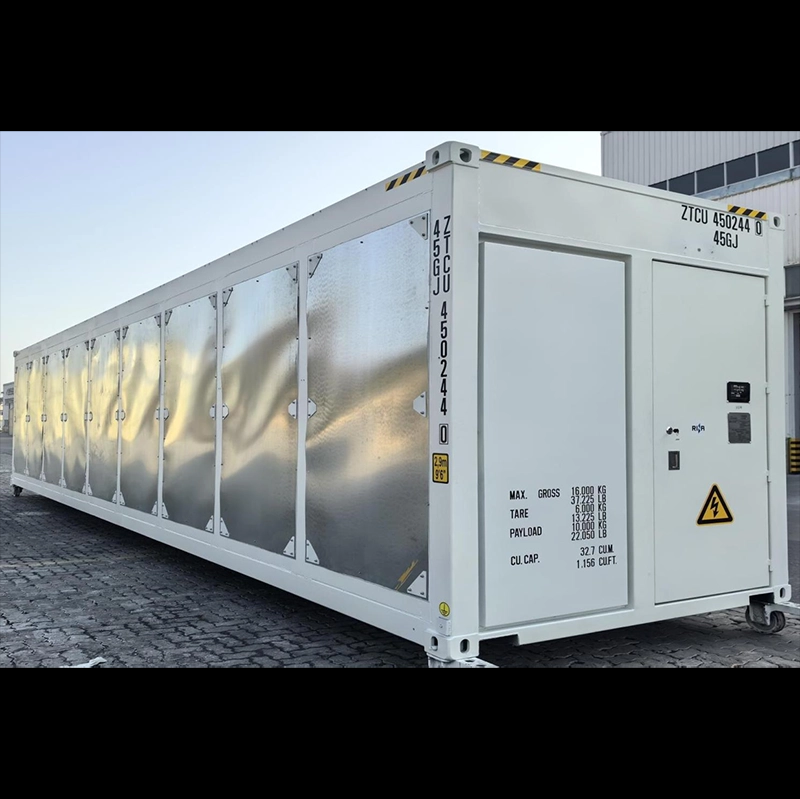
Container liquid cooling systems are often more compact than traditional air cooling systems. They can be designed to fit within standard shipping containers, making them ideal for modular deployments. This compactness allows organizations to maximize their data center space, which is particularly valuable in urban environments where real estate is at a premium.
Liquid cooling systems are generally more energy-efficient than air cooling systems. They require less energy to move liquid than to cool air, leading to lower operational costs. Additionally, the improved cooling efficiency can result in a lower Power Usage Effectiveness (PUE) ratio, which is a measure of how efficiently a data center uses energy.
As organizations grow, their cooling needs often change. Container liquid cooling solutions offer scalability, allowing businesses to expand their cooling capacity without significant infrastructure changes. This flexibility is essential for companies that need to adapt quickly to changing technological demands.
By maintaining optimal operating temperatures, liquid cooling systems can extend the lifespan of hardware components. Overheating is a leading cause of hardware failure, and effective cooling can mitigate this risk. Additionally, liquid cooling systems often operate more quietly than air cooling systems, reducing noise pollution in data centers.
Data centers are among the primary beneficiaries of container liquid cooling solutions. As the demand for data processing power increases, so does the need for efficient cooling. Liquid cooling allows data centers to handle higher power densities, supporting the latest AI and machine learning workloads.
HPC environments require robust cooling solutions to manage the heat generated by powerful processors. Container liquid cooling systems provide the necessary thermal management to ensure optimal performance and reliability in these demanding applications.
In energy storage applications, such as battery energy storage systems (BESS), maintaining optimal temperatures is crucial for safety and efficiency. Liquid cooling can help prevent thermal runaway in batteries, enhancing safety and extending the lifespan of energy storage systems.
As edge computing becomes more prevalent, the need for efficient cooling solutions in remote locations grows. Container liquid cooling systems can be deployed in modular units, providing effective cooling in various environments without the need for extensive infrastructure.
As the world shifts towards renewable energy sources, container liquid cooling solutions are likely to play a significant role in energy storage and management. By efficiently cooling energy storage systems, these solutions can enhance the performance and reliability of renewable energy technologies.
The field of liquid cooling is continuously evolving, with new technologies and materials being developed to improve efficiency and effectiveness. Innovations such as two-phase cooling and advanced heat exchangers are expected to further enhance the capabilities of container liquid cooling systems.
As awareness of the benefits of liquid cooling grows, more industries are likely to adopt these solutions. From telecommunications to automotive, the demand for efficient cooling solutions will drive the expansion of container liquid cooling technologies.
Container liquid cooling solutions represent a significant advancement in thermal management for modern computing environments. Their ability to provide efficient, reliable, and scalable cooling makes them essential for data centers, high-performance computing, and energy storage applications. As technology continues to evolve, the importance of effective cooling solutions will only increase, making container liquid cooling a critical component of future infrastructure.
1. What are the main advantages of liquid cooling over air cooling?
Liquid cooling offers superior heat transfer efficiency, reduced energy consumption, and a smaller footprint compared to air cooling.
2. How does liquid cooling improve the lifespan of hardware?
By maintaining optimal temperatures, liquid cooling reduces the risk of overheating, which is a leading cause of hardware failure.
3. Can container liquid cooling systems be easily scaled?
Yes, container liquid cooling systems are designed for modular deployment, allowing for easy scalability as cooling needs change.
4. What industries benefit the most from container liquid cooling solutions?
Data centers, high-performance computing, energy storage systems, and edge computing are among the primary beneficiaries.
5. What future trends are expected in liquid cooling technology?
Future trends include integration with renewable energy, advancements in cooling technology, and increased adoption across various industries.
Hot Tags: China, Global, OEM, private label, manufacturers, factory, suppliers, manufacturing company