
Shenzhen Cadro Hydraulic Equipment Co.,Ltd
Views: 220 Author: cadrotaillift Publish Time: 2026-01-04 Origin: Site


Content Menu
● Understanding Hydraulic and Mechanical Systems
>> What Are Hydraulic Systems?
>> What Are Mechanical Systems?
● Advantages of Hydraulic Supporting Systems
>> 3. Smooth Operation and Control
>> 6. High Efficiency in Power Transmission
● Applications of Hydraulic Supporting Systems
>> Construction
>> Automotive
>> Aerospace
● Challenges and Considerations
>> 3. Weight
>> 1. What is the main difference between hydraulic and mechanical systems?
>> 2. Which system is more efficient, hydraulic or mechanical?
>> 3. Can hydraulic and mechanical systems be combined?
>> 4. What industries rely most on hydraulic systems?
>> 5. What are the maintenance requirements for hydraulic systems?
Hydraulic supporting systems have become increasingly popular in various industries due to their numerous advantages over mechanical systems. This article delves into the reasons why hydraulic systems are often preferred, exploring their design flexibility, efficiency, durability, and overall performance.

Hydraulic systems utilize fluid power to perform work. They consist of components such as pumps, cylinders, valves, and hydraulic fluid, which work together to transmit force and motion. The fundamental principle behind hydraulic systems is Pascal's law, which states that pressure applied to a confined fluid is transmitted undiminished in all directions.
Mechanical systems, on the other hand, rely on physical components like gears, levers, and pulleys to transmit force and motion. These systems are often more straightforward in design but can be limited in their capabilities compared to hydraulic systems.
One of the most significant advantages of hydraulic systems is their high power-to-weight ratio. Hydraulic systems can generate substantial force with relatively small components. This efficiency is particularly beneficial in applications where space is limited but high power output is required, such as in construction machinery and industrial presses.
Hydraulic systems offer greater design flexibility than mechanical systems. The routing of hydraulic lines can navigate around obstacles and fit into tight spaces more easily than mechanical assemblies, which often require complex arrangements of gears and pulleys. This flexibility allows engineers to create more compact and versatile designs, making hydraulic systems suitable for a wide range of applications.
Hydraulic systems provide smooth and precise control over motion. The use of fluid allows for gradual acceleration and deceleration, reducing the risk of sudden jolts that can damage equipment or materials. This smooth operation is particularly important in applications requiring delicate handling, such as in the automotive and aerospace industries.
Hydraulic systems inherently provide overload protection. When a hydraulic system encounters a load that exceeds its capacity, the fluid can bypass the system, preventing damage. This feature is crucial in applications where safety is paramount, such as in lifting equipment and heavy machinery.
Because hydraulic systems rely on fluid to transmit force rather than direct contact between moving parts, they typically experience less wear and tear compared to mechanical systems. This reduced friction leads to longer component life, fewer breakdowns, and lower maintenance costs, making hydraulic systems a more durable and cost-effective choice over time.
Hydraulic systems are highly efficient in transmitting power. The use of incompressible fluid minimizes energy losses due to friction and heat, allowing for more effective power transfer. This efficiency is particularly advantageous in applications requiring continuous operation, such as in manufacturing processes.
Maintaining hydraulic systems is often simpler than maintaining mechanical systems. While mechanical systems may require frequent adjustments and replacements of worn-out components, hydraulic systems typically need only periodic fluid changes and inspections. This ease of maintenance contributes to lower operational costs and increased uptime.
Hydraulic systems are widely used across various industries due to their advantages. Some common applications include:
In construction, hydraulic systems power heavy machinery such as excavators, bulldozers, and cranes. The ability to generate high force in a compact design makes hydraulics ideal for lifting and moving heavy loads.
Hydraulic systems are prevalent in manufacturing processes, particularly in metal forming and assembly operations. They provide the necessary force for stamping, bending, and shaping materials with precision.
In the automotive industry, hydraulic systems are used in braking systems, power steering, and lifts. Their ability to provide smooth and controlled motion is essential for safety and performance.
Hydraulic systems play a critical role in aerospace applications, including aircraft control surfaces and landing gear. The reliability and precision of hydraulic systems are vital for safe flight operations.
While hydraulic systems offer numerous advantages, they are not without challenges. Some considerations include:
Hydraulic systems can have a higher initial cost compared to mechanical systems due to the complexity of components and installation. However, the long-term savings in maintenance and operational efficiency often justify this initial investment.
Hydraulic systems can be susceptible to fluid leakage, which can lead to reduced efficiency and environmental concerns. Regular maintenance and monitoring are essential to mitigate this issue.
Hydraulic systems can be heavier than mechanical systems due to the need for reservoirs, pumps, and fluid. This added weight may be a consideration in applications where weight is a critical factor.
In conclusion, hydraulic supporting systems offer several advantages over mechanical systems, including greater power density, design flexibility, smooth operation, and reduced wear and tear. These benefits make hydraulic systems a preferred choice in various industries, particularly in applications requiring high force and precision. While there are challenges associated with hydraulic systems, their overall performance and efficiency make them a compelling option for many engineering applications.
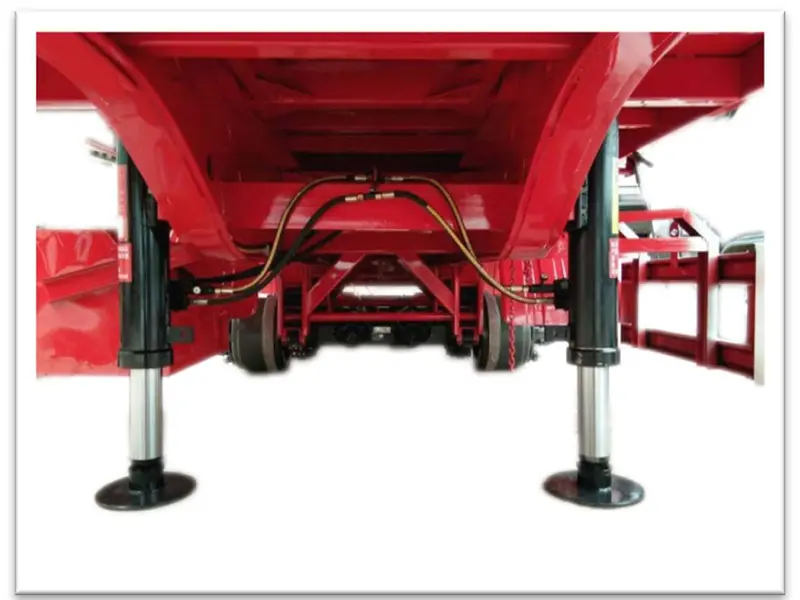
Hydraulic systems use fluid to transmit power, while mechanical systems rely on physical components like gears and levers.
Hydraulic systems are generally more efficient in power transmission due to reduced friction and energy losses.
Yes, many industries use hybrid systems that integrate both hydraulic and mechanical components for optimal performance.
Industries such as construction, aviation, and manufacturing heavily depend on hydraulic systems for their operations.
Hydraulic systems typically require periodic fluid changes and inspections, making them easier to maintain than mechanical systems.
Hot Tags: China, Global, OEM, private label, manufacturers, factory, suppliers, manufacturing company