
Shenzhen Cadro Hydraulic Equipment Co.,Ltd
Views: 220 Author: cadrotaillift Publish Time: 2026-01-04 Origin: Site


Content Menu
● Understanding Hydraulic Supporting Systems
>> What is a Hydraulic Supporting System?
>> Key Components of Hydraulic Systems
>> How Hydraulic Supporting Systems Work
● Importance of Hydraulic Supporting Systems in Special Vehicles
>> Enhanced Stability and Support
>> Versatility in Applications
● Applications of Hydraulic Supporting Systems
>> Emergency Response Vehicles
>> Specialized Transport Vehicles
● Advantages of Hydraulic Supporting Systems
>> Efficiency
>> Durability
● Challenges and Considerations
>> Fluid Leaks
>> Complexity
● Future Trends in Hydraulic Supporting Systems
>> Integration with Smart Technologies
>> Environmentally Friendly Fluids
Hydraulic systems are integral to the operation of many modern vehicles, especially special vehicles designed for specific tasks. These systems utilize pressurized fluid to create mechanical force, enabling a range of functions from lifting and stabilizing to steering and braking. In this article, we will explore what hydraulic supporting systems are, their components, how they work, and why they are essential for special vehicles.
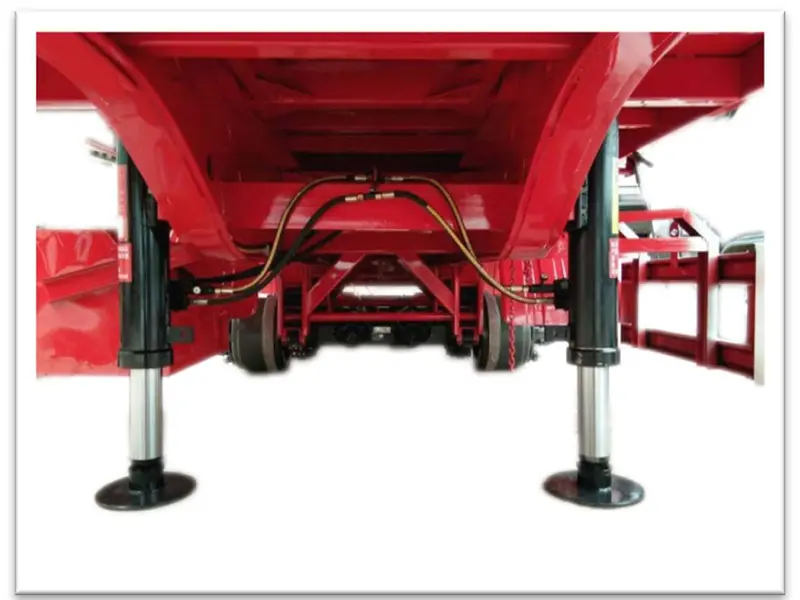
A hydraulic supporting system is a mechanism that uses hydraulic fluid to provide support and stability to vehicles, particularly those that require precise control and heavy lifting capabilities. These systems are commonly found in construction vehicles, emergency response vehicles, and specialized transport vehicles.
Hydraulic systems consist of several key components that work together to create and control hydraulic power:
- Hydraulic Fluid: The medium through which power is transmitted. It is typically oil-based, providing lubrication and cooling.
- Hydraulic Pump: Converts mechanical energy into hydraulic energy by pressurizing the fluid.
- Hydraulic Cylinder: Converts hydraulic energy back into mechanical energy, creating linear motion.
- Control Valves: Regulate the flow and pressure of the hydraulic fluid, allowing for precise control of the system.
- Reservoir: Stores hydraulic fluid and allows for expansion and contraction as the fluid heats and cools.
Hydraulic systems operate based on Pascal's Law, which states that pressure applied to a confined fluid is transmitted undiminished in all directions. When the hydraulic pump pressurizes the fluid, it flows through the control valves to the hydraulic cylinders, which then extend or retract to perform work, such as lifting or stabilizing a vehicle.
One of the primary functions of hydraulic supporting systems is to provide stability to special vehicles. For instance, construction vehicles like excavators and cranes rely on hydraulic stabilizers to maintain balance while lifting heavy loads. This stability is crucial for safety and efficiency on job sites.
Hydraulic systems allow for precise control of movements, which is essential for special vehicles that perform intricate tasks. For example, in emergency response vehicles, hydraulic systems enable quick and accurate deployment of equipment, such as hydraulic rescue tools used in accident scenarios.
Hydraulic systems can generate significant force, making them ideal for lifting heavy loads. This capability is particularly important for vehicles like tow trucks and heavy-duty transport vehicles, which need to lift and move substantial weights safely.
Hydraulic supporting systems are versatile and can be adapted for various applications. From construction and agriculture to emergency services and military operations, hydraulic systems can be tailored to meet the specific needs of different vehicles and tasks.
Safety is a paramount concern in the operation of special vehicles. Hydraulic systems contribute to safety by providing features such as automatic leveling and load monitoring. These features help prevent accidents caused by tipping or overloading.
In the construction industry, hydraulic supporting systems are used in equipment like excavators, bulldozers, and cranes. These vehicles require robust hydraulic systems to lift heavy materials, dig trenches, and perform other demanding tasks.
Fire trucks and ambulances often utilize hydraulic systems for various functions, including stabilizing the vehicle during operations and deploying rescue equipment. The ability to quickly and efficiently operate hydraulic tools can be critical in emergency situations.
Hydraulic systems are also prevalent in agricultural machinery, such as tractors and harvesters. These systems enable farmers to lift and transport heavy loads, operate attachments, and perform various tasks with precision.
In military applications, hydraulic systems are used in vehicles like armored personnel carriers and tanks. These systems provide the necessary support and stability for heavy armor and equipment, ensuring operational effectiveness in challenging environments.
Specialized transport vehicles, such as those used for transporting oversized loads, rely on hydraulic systems for stability and control. These vehicles often have adjustable hydraulic supports to accommodate different load sizes and shapes.
Hydraulic systems are highly efficient, allowing for the transfer of power with minimal energy loss. This efficiency translates to better performance and reduced operational costs for special vehicles.
Hydraulic systems are designed to withstand harsh conditions and heavy use. Their robust construction and fewer moving parts compared to mechanical systems contribute to their longevity and reliability.
While hydraulic systems require regular maintenance, they are generally easier to service than mechanical systems. Many components can be replaced or repaired without extensive disassembly, reducing downtime.
Hydraulic systems provide smooth and controlled movements, enhancing the overall operation of special vehicles. This smoothness is particularly important in applications where precision is critical.
One of the main challenges with hydraulic systems is the potential for fluid leaks, which can lead to decreased performance and environmental concerns. Regular inspections and maintenance are essential to mitigate this risk.
Hydraulic fluids can be sensitive to temperature changes, affecting their viscosity and performance. It is crucial to monitor fluid levels and temperatures to ensure optimal operation.
While hydraulic systems offer many advantages, they can also be complex and require specialized knowledge for maintenance and repair. Operators and technicians must be trained to handle these systems effectively.
The future of hydraulic supporting systems lies in their integration with smart technologies. This includes the use of sensors and automation to enhance control and monitoring, improving safety and efficiency.
As environmental concerns grow, there is a push for the development of biodegradable hydraulic fluids. These fluids can reduce the environmental impact of hydraulic systems while maintaining performance.
Advancements in control systems will allow for even greater precision and responsiveness in hydraulic operations. This will be particularly beneficial in applications requiring fine motor control.
Hydraulic supporting systems are essential for the operation of special vehicles, providing stability, precision, and lifting capacity. Their versatility and efficiency make them indispensable in various industries, from construction to emergency services. As technology continues to evolve, hydraulic systems will likely become even more integrated with smart technologies, enhancing their capabilities and applications.

1. What is the primary function of a hydraulic supporting system?
- The primary function is to provide stability and support to vehicles, especially during heavy lifting or intricate operations.
2. How do hydraulic systems enhance safety in special vehicles?
- They offer features like automatic leveling and load monitoring, which help prevent accidents caused by tipping or overloading.
3. What are some common applications of hydraulic supporting systems?
- Common applications include construction vehicles, emergency response vehicles, agricultural machinery, military vehicles, and specialized transport vehicles.
4. What are the advantages of hydraulic systems over mechanical systems?
- Hydraulic systems are more efficient, durable, easier to maintain, and provide smoother operation compared to mechanical systems.
5. What challenges do hydraulic systems face?
- Challenges include potential fluid leaks, temperature sensitivity, and complexity in maintenance and repair.
Hot Tags: China, Global, OEM, private label, manufacturers, factory, suppliers, manufacturing company