
Shenzhen Cadro Hydraulic Equipment Co.,Ltd
Views: 220 Author: cadrotaillift Publish Time: 2025-12-23 Origin: Site


Content Menu
● Understanding Air Bag Dock Levelers
>> What Are Air Bag Dock Levelers?
● Common Causes of Slow Operation
>> 1. Low Hydraulic Fluid Levels
>>> Solution:
>> 2. Air Trapped in the Hydraulic System
>>> Solution:
>> 3. Worn or Damaged Components
>>> Solution:
>>> Solution:
>>> Solution:
● Enhancing the Speed of Air Bag Dock Levelers
>> 5. Monitoring System Performance
Air bag dock levelers are essential components in loading docks, providing a smooth transition between the dock and the truck bed. However, slow operation can lead to inefficiencies, increased loading times, and potential safety hazards. Understanding the causes of slow operation and how to address them is crucial for maintaining optimal performance. This article explores the common reasons for slow operation in air bag dock levelers and offers practical solutions to enhance their efficiency.

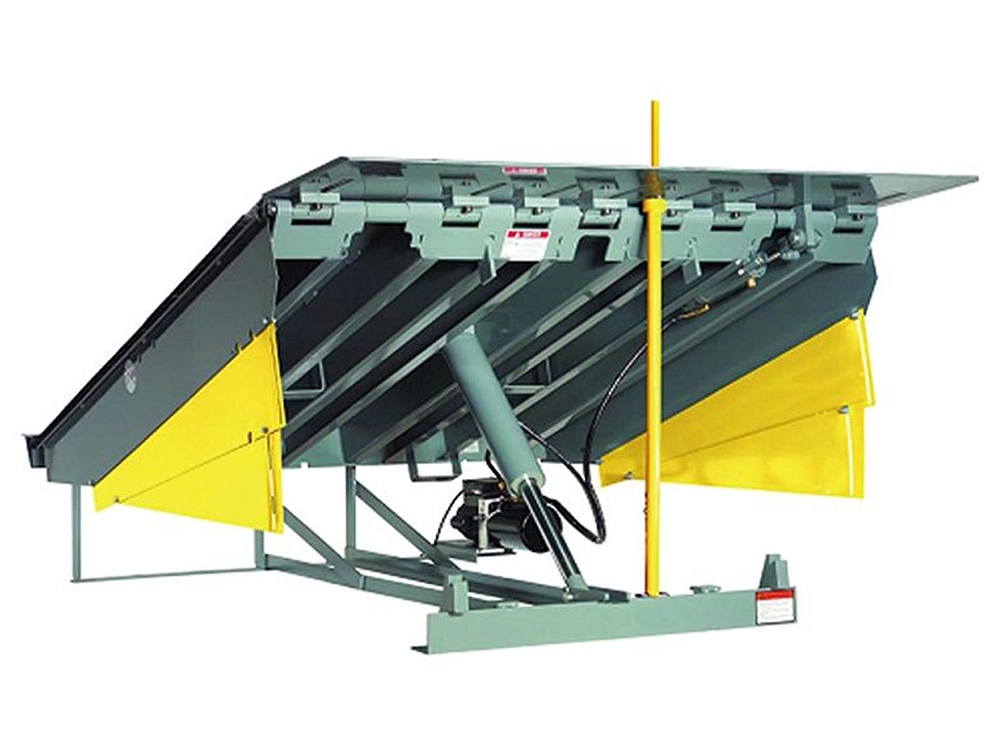
Air bag dock levelers are hydraulic devices that use air-filled bags to raise and lower the platform, allowing for seamless loading and unloading of goods. They are designed to accommodate various truck heights and ensure a safe and efficient workflow in warehouses and distribution centers.
The operation of air bag dock levelers involves several components, including the air bags, control systems, and hydraulic mechanisms. When activated, air is pumped into the bags, lifting the platform to the desired height. The leveler then extends its lip to bridge the gap between the dock and the truck bed, facilitating the loading process.
One of the primary reasons for slow operation in air bag dock levelers is low hydraulic fluid levels. The hydraulic system relies on adequate fluid to function properly. When the fluid level is low, the system may struggle to generate enough pressure, resulting in sluggish movement.
Regularly check and maintain the hydraulic fluid levels. If the fluid appears dirty or contaminated, it should be replaced to ensure optimal performance.
Air trapped in the hydraulic system can impede the flow of fluid, causing delays in the operation of the dock leveler. This issue often arises from improper maintenance or system leaks.
Bleed the hydraulic system to remove any trapped air. This process involves releasing the air from the hydraulic lines, allowing for smoother operation.
Over time, components such as seals, hoses, and valves can wear out or become damaged. This deterioration can lead to leaks or malfunctions, resulting in slow operation.
Conduct regular inspections of all components. Replace any worn or damaged parts promptly to prevent further issues.
Electrical problems, such as faulty wiring or malfunctioning control panels, can also contribute to slow operation. If the control system is not functioning correctly, it may not send the appropriate signals to the hydraulic system.
Inspect the electrical connections and control panels for any signs of damage or wear. Repair or replace faulty components as needed.
Debris or foreign materials can accumulate in the hydraulic lines or around the air bags, obstructing the flow of fluid and air. This blockage can significantly slow down the operation of the dock leveler.
Regularly clean the area around the dock leveler and inspect the hydraulic lines for any blockages. Ensure that the air bags are free from debris to maintain efficient operation.
Implementing a regular maintenance schedule is crucial for ensuring the longevity and efficiency of air bag dock levelers. This includes checking fluid levels, inspecting components, and cleaning the system.
Proper lubrication of moving parts is essential for smooth operation. Lubricate hinges, springs, and other mechanical components as recommended by the manufacturer to reduce friction and wear.
If slow operation persists despite maintenance efforts, consider upgrading components such as the hydraulic pump or control system. Newer models may offer improved efficiency and faster response times.
Ensure that all personnel operating the dock levelers are adequately trained. Proper training can help prevent operator errors that may lead to slow operation or accidents.
Utilize monitoring systems to track the performance of dock levelers. These systems can provide valuable data on operation times and identify potential issues before they escalate.
Slow operation in air bag dock levelers can significantly impact warehouse efficiency and safety. By understanding the common causes and implementing effective solutions, businesses can enhance the performance of their dock levelers. Regular maintenance, proper training, and timely upgrades are essential for ensuring that air bag dock levelers operate at peak efficiency.
1. What should I do if my air bag dock leveler is slow?
- Check hydraulic fluid levels, inspect for air in the system, and ensure all components are functioning properly.
2. How often should I perform maintenance on my dock leveler?
- Regular maintenance should be conducted at least once a month, with more frequent checks during heavy usage periods.
3. Can I fix slow operation issues myself?
- Many issues can be addressed with basic maintenance, but complex problems may require professional assistance.
4. What are the signs of a failing air bag dock leveler?
- Signs include slow operation, unusual noises, leaks, and failure to extend or retract properly.
5. How can I improve the safety of my loading dock?
- Implement safety features such as warning lights, proper training for personnel, and regular inspections of equipment.
Hot Tags: China, Global, OEM, private label, manufacturers, factory, suppliers, manufacturing company