
Shenzhen Cadro Hydraulic Equipment Co.,Ltd
Views: 220 Author: cadrotaillift Publish Time: 2025-12-08 Origin: Site


Content Menu
● Understanding Container Cooling Systems
>> What Are Container Cooling Systems?
● Environmental Impacts of Container Cooling Systems
>> Water Usage
● Sustainable Alternatives and Innovations
>> Transitioning to Low-GWP Refrigerants
>> Energy Efficiency Improvements
>> Renewable Energy Integration
● Regulatory and Industry Initiatives
Container cooling systems, commonly used in the transportation of perishable goods, play a crucial role in global trade. However, their environmental impacts are significant and multifaceted. This article explores the various aspects of container cooling systems, including their energy consumption, greenhouse gas emissions, and the potential for sustainable alternatives.
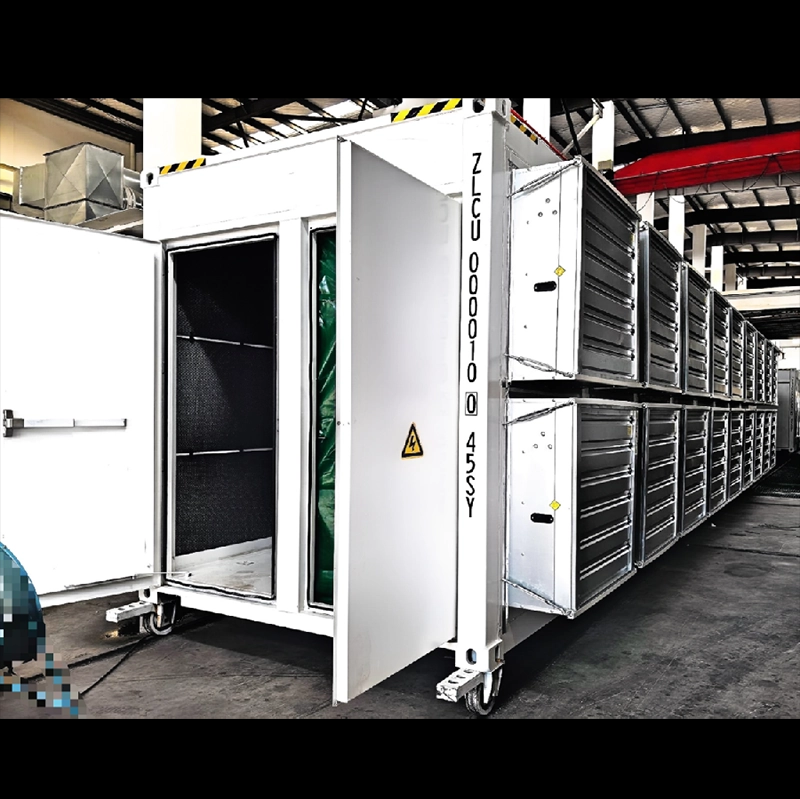
Container cooling systems, often referred to as refrigerated containers or reefers, are specialized shipping containers equipped with refrigeration units. These systems maintain low temperatures to preserve the quality of perishable goods such as fruits, vegetables, dairy products, and pharmaceuticals during transport. The technology behind these systems has evolved significantly, but the environmental implications remain a pressing concern.
Reefers operate by circulating refrigerants through a closed loop system. The refrigerant absorbs heat from the container's interior and releases it outside, maintaining a stable temperature. This process is energy-intensive and can contribute to significant greenhouse gas emissions, especially if the refrigerants used have high global warming potential (GWP).
One of the most significant environmental impacts of container cooling systems is their energy consumption. Refrigerated containers can account for a substantial portion of energy use in shipping operations. For instance, it is estimated that reefer containers can consume up to 40% of the total energy in container terminals. This high energy demand often leads to increased carbon emissions, particularly when the energy is sourced from fossil fuels.
The operation of multiple reefers simultaneously can create peak energy demands that strain local power grids. This not only leads to higher operational costs but also exacerbates the environmental impact due to the increased reliance on non-renewable energy sources during peak times.
Refrigerated containers primarily use refrigerants that can have a significant impact on climate change. Traditional refrigerants, such as hydrofluorocarbons (HFCs), are potent greenhouse gases. When these refrigerants leak, they can contribute to global warming at rates thousands of times greater than carbon dioxide. The leakage rates in the industry are concerning, with estimates suggesting that a significant number of refrigerated containers experience refrigerant loss during their operational life.
The choice of refrigerant is critical in determining the environmental impact of container cooling systems. Modern systems are increasingly adopting low-GWP refrigerants, which are less harmful to the environment. However, the transition from high-GWP to low-GWP refrigerants is still ongoing, and many older systems continue to use harmful substances.
In addition to energy consumption and emissions, container cooling systems can also impact local water resources. Some cooling systems utilize water in their operation, which can lead to excessive water use, particularly in regions where water is scarce. Implementing water-saving technologies is essential to mitigate this impact.
The shift towards low-GWP refrigerants is a crucial step in reducing the environmental impact of container cooling systems. Natural refrigerants, such as ammonia and carbon dioxide, are gaining popularity due to their minimal environmental footprint. These alternatives not only reduce greenhouse gas emissions but also pose fewer risks in terms of toxicity and flammability.
Enhancing the energy efficiency of refrigerated containers is another vital strategy for reducing their environmental impact. Innovations in insulation materials, compressor technology, and temperature control systems can significantly lower energy consumption. For example, advanced cooling technologies, such as liquid cooling systems, have been shown to reduce energy demand and emissions compared to traditional air cooling methods.
Integrating renewable energy sources into the operation of container cooling systems can further mitigate their environmental impact. Solar panels installed on the roofs of refrigerated containers can provide a sustainable energy source, reducing reliance on fossil fuels. This approach not only lowers emissions but also enhances the overall sustainability of the cold chain.
International regulations, such as the Montreal Protocol, aim to phase out the use of high-GWP refrigerants. These regulations encourage the adoption of more sustainable practices within the industry. Compliance with these regulations is essential for companies looking to minimize their environmental impact and meet consumer demand for greener products.
Collaboration among industry stakeholders is crucial for driving innovation and implementing sustainable practices. Initiatives such as the Green Cooling Initiative promote the development and adoption of environmentally friendly cooling technologies. By working together, companies can share best practices and accelerate the transition to sustainable cooling solutions.
The environmental impacts of container cooling systems are significant and multifaceted, encompassing energy consumption, greenhouse gas emissions, and water usage. However, through the adoption of low-GWP refrigerants, energy efficiency improvements, and the integration of renewable energy, the industry can mitigate these impacts. Regulatory frameworks and industry collaboration will play a vital role in driving the transition towards more sustainable container cooling systems.

1. What are the main environmental concerns associated with container cooling systems?
Container cooling systems primarily contribute to high energy consumption, greenhouse gas emissions from refrigerants, and excessive water usage.
2. How do refrigerants impact climate change?
Many refrigerants used in cooling systems are potent greenhouse gases. When they leak, they can significantly contribute to global warming.
3. What are low-GWP refrigerants?
Low-GWP refrigerants are substances that have a lower potential to contribute to global warming compared to traditional refrigerants like HFCs. Examples include ammonia and carbon dioxide.
4. How can energy efficiency be improved in refrigerated containers?
Energy efficiency can be enhanced through better insulation, advanced compressor technology, and the use of innovative cooling methods.
5. What role do regulations play in reducing the environmental impact of cooling systems?
Regulations like the Montreal Protocol encourage the phase-out of harmful refrigerants and promote the adoption of sustainable practices in the cooling industry.
Hot Tags: China, Global, OEM, private label, manufacturers, factory, suppliers, manufacturing company