
Shenzhen Cadro Hydraulic Equipment Co.,Ltd
Views: 220 Author: cadrotaillift Publish Time: 2026-01-04 Origin: Site


Content Menu
● What is a Hydraulic Supporting System?
>> Key Features of Hydraulic Systems
● Core Components of a Hydraulic Supporting System
>>> Types of Hydraulic Actuators
>>> Importance of the Reservoir
>> Hydraulic Hoses and Fittings
● Applications of Hydraulic Supporting Systems
● Advantages of Hydraulic Supporting Systems
● Challenges and Considerations
Hydraulic systems are integral to various industries, providing essential support for machinery and equipment. Understanding the core components of a hydraulic supporting system is crucial for engineers, technicians, and anyone involved in the design, maintenance, or operation of hydraulic machinery. This article delves into the fundamental elements of hydraulic systems, their functions, and their significance in modern engineering.

A hydraulic supporting system utilizes fluid power to perform work. It operates on the principle of Pascal's law, which states that pressure applied to a confined fluid is transmitted undiminished in all directions. This principle allows hydraulic systems to amplify force and perform tasks that would be difficult or impossible with mechanical systems alone.
Hydraulic systems are characterized by several key features:
- Force Multiplication: Hydraulic systems can multiply force, allowing small inputs to generate significant outputs.
- Precision Control: They offer precise control over movement and force, making them ideal for applications requiring accuracy.
- Flexibility: Hydraulic systems can be designed to fit various applications, from small machinery to large industrial equipment.
A hydraulic supporting system consists of several core components, each playing a vital role in the system's overall functionality. Understanding these components is essential for anyone working with hydraulic systems.
Hydraulic fluid is the lifeblood of any hydraulic system. It transmits power, lubricates components, and helps dissipate heat. The choice of hydraulic fluid is critical, as it affects the system's efficiency and longevity.
1. Mineral Oil: The most common type, mineral oil is derived from refining crude oil. It offers good lubrication and is cost-effective.
2. Water-Based Fluids: These fluids are less flammable and environmentally friendly but may not provide the same lubrication properties as mineral oils.
3. Biodegradable Fluids: Designed for environmentally sensitive applications, these fluids break down naturally and minimize ecological impact.
The hydraulic pump is responsible for converting mechanical energy into hydraulic energy. It draws hydraulic fluid from the reservoir and pressurizes it, sending it through the system.
1. Gear Pumps: Simple and reliable, gear pumps use gears to create flow. They are commonly used in low-pressure applications.
2. Vane Pumps: These pumps use vanes to create pressure and are suitable for medium-pressure applications.
3. Piston Pumps: Offering high efficiency and pressure capabilities, piston pumps are used in demanding applications.
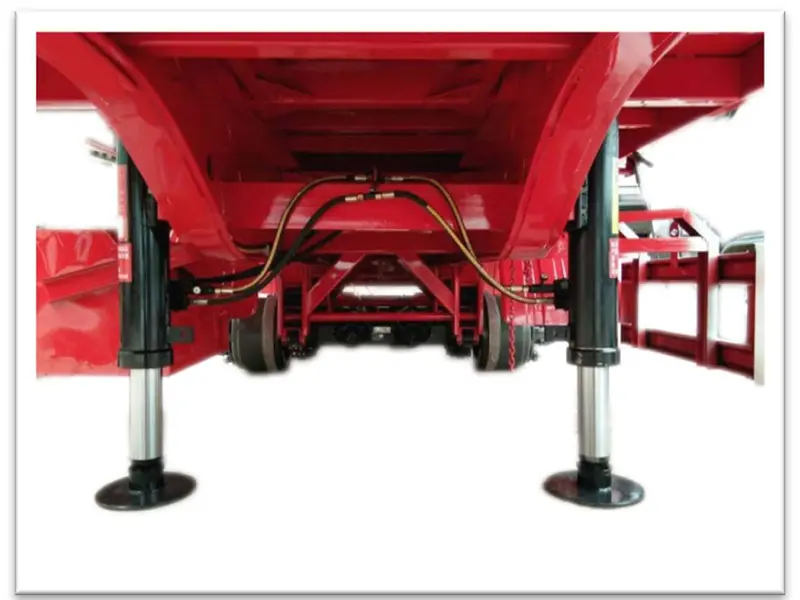
Hydraulic actuators convert hydraulic energy back into mechanical energy, enabling movement. They are essential for performing work in hydraulic systems.
1. Cylinders: Hydraulic cylinders are the most common type of actuator. They provide linear motion and are used in various applications, from construction equipment to manufacturing machinery.
2. Motors: Hydraulic motors convert hydraulic energy into rotational motion. They are used in applications requiring continuous rotation, such as conveyor systems.
Valves control the flow and direction of hydraulic fluid within the system. They are crucial for regulating pressure and ensuring the system operates safely and efficiently.
1. Directional Control Valves: These valves control the path of hydraulic fluid, determining the direction of actuator movement.
2. Pressure Relief Valves: These valves protect the system from excessive pressure by diverting fluid when pressure exceeds a predetermined level.
3. Flow Control Valves: These valves regulate the speed of actuators by controlling the flow rate of hydraulic fluid.
The hydraulic reservoir stores hydraulic fluid and serves as a buffer for the system. It allows for the expansion of fluid and helps dissipate heat generated during operation.
- Fluid Storage: It provides a supply of hydraulic fluid for the system.
- Heat Dissipation: The reservoir helps cool the fluid, preventing overheating.
- Contaminant Settling: It allows contaminants to settle, improving fluid quality.
Hoses and fittings connect various components of the hydraulic system, allowing fluid to flow between them. They must be durable and resistant to pressure and temperature changes.
1. Rubber Hoses: Flexible and lightweight, rubber hoses are commonly used in low to medium-pressure applications.
2. Steel Braided Hoses: These hoses offer higher pressure ratings and are used in demanding environments.
Control systems manage the operation of hydraulic components, ensuring they work together efficiently. They can be manual or automated, depending on the application.
1. Manual Control: Operators manually control the system using levers or switches.
2. Electronic Control: Automated systems use sensors and controllers to manage hydraulic operations, improving efficiency and precision.
Hydraulic supporting systems are used in various industries, including:
- Construction: Hydraulic systems power excavators, bulldozers, and cranes, enabling heavy lifting and precise movements.
- Manufacturing: Hydraulic presses and machines rely on hydraulic systems for shaping, cutting, and assembling materials.
- Automotive: Hydraulic systems are used in braking systems, power steering, and lifts for vehicle maintenance.
- Aerospace: Hydraulic systems control flight surfaces and landing gear, ensuring safe and efficient operation.
Hydraulic systems offer several advantages over mechanical systems:
- Higher Power-to-Weight Ratio: Hydraulic systems can generate significant force without adding much weight.
- Smooth Operation: They provide smooth and controlled movements, reducing wear on components.
- Versatility: Hydraulic systems can be adapted for various applications, making them suitable for diverse industries.
While hydraulic systems are highly effective, they also present challenges:
- Leakage: Hydraulic fluid leaks can lead to system failures and environmental concerns.
- Maintenance: Regular maintenance is essential to ensure optimal performance and longevity.
- Temperature Sensitivity: Hydraulic fluids can degrade at high temperatures, affecting system efficiency.
Understanding the core components of a hydraulic supporting system is essential for anyone involved in the design, operation, or maintenance of hydraulic machinery. By comprehending the roles of hydraulic fluid, pumps, actuators, valves, reservoirs, hoses, and control systems, professionals can ensure the efficient and safe operation of hydraulic systems across various applications.
1. What is the primary function of hydraulic fluid?
- Hydraulic fluid transmits power, lubricates components, and helps dissipate heat in a hydraulic system.
2. What are the different types of hydraulic pumps?
- The main types of hydraulic pumps are gear pumps, vane pumps, and piston pumps, each suited for different applications.
3. How do hydraulic actuators work?
- Hydraulic actuators convert hydraulic energy into mechanical energy, enabling movement in hydraulic systems.
4. What is the purpose of hydraulic valves?
- Hydraulic valves control the flow and direction of hydraulic fluid, regulating pressure and ensuring safe operation.
5. Why is regular maintenance important for hydraulic systems?
- Regular maintenance helps prevent leaks, ensures optimal performance, and extends the lifespan of hydraulic components.
Hot Tags: China, Global, OEM, private label, manufacturers, factory, suppliers, manufacturing company