
Shenzhen Cadro Hydraulic Equipment Co.,Ltd
Views: 220 Author: cadrotaillift Publish Time: 2025-12-04 Origin: Site


Content Menu
● Understanding Tuckaway Tail Lifts
>> What is a Tuckaway Tail Lift?
>> How Does a Tuckaway Tail Lift Work?
● Importance of Regular Maintenance
>> Fluid Levels
>> Cleanliness
>> Lubrication
● Troubleshooting Common Issues
>> Personal Protective Equipment (PPE)
Maintaining a tuckaway tail lift is essential for ensuring its longevity and safety. These hydraulic lifts are crucial for loading and unloading goods, especially in commercial vehicles. Regular maintenance not only extends the life of the lift but also ensures the safety of operators and bystanders. In this article, we will explore various maintenance tips, safety practices, and troubleshooting techniques to keep your tuckaway tail lift in optimal condition.
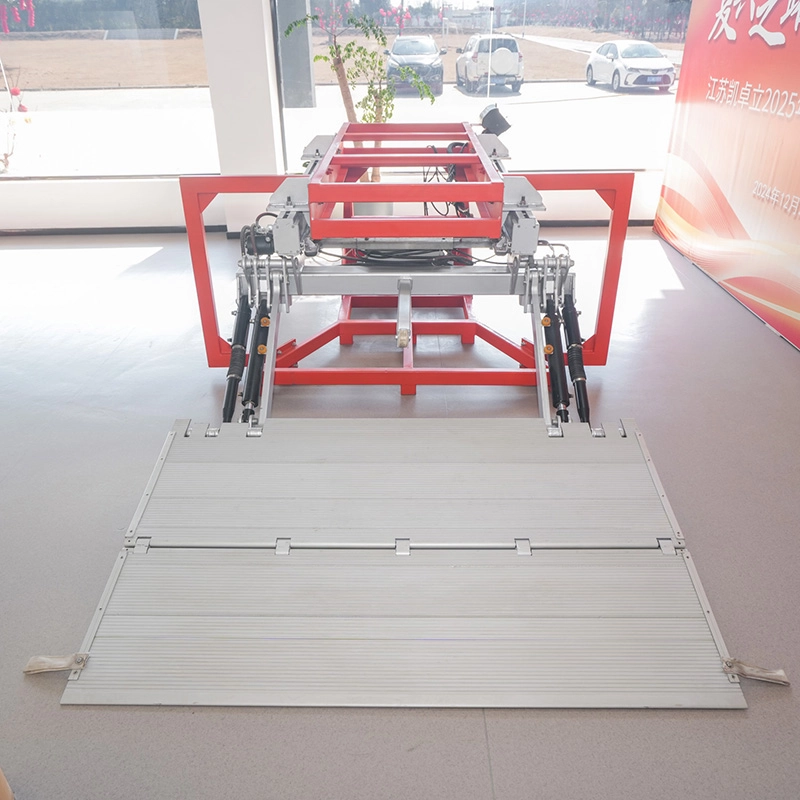
A tuckaway tail lift is a type of hydraulic lift that is mounted on the rear of a vehicle. Unlike traditional tail lifts that remain exposed, tuckaway lifts can be folded away when not in use, providing a sleek appearance and reducing the risk of damage during transit. These lifts are commonly used in delivery trucks, vans, and other commercial vehicles.
Tuckaway tail lifts operate using hydraulic systems that raise and lower the platform. The lift is powered by the vehicle's battery or an independent power source. When activated, hydraulic fluid is pumped into cylinders, causing the platform to rise. The lift can be lowered by releasing the hydraulic pressure, allowing for smooth operation.
Regular maintenance is crucial for several reasons:
1. Safety: A well-maintained lift reduces the risk of accidents and injuries.
2. Performance: Regular checks ensure that the lift operates smoothly and efficiently.
3. Cost-Effectiveness: Preventative maintenance can save money by avoiding costly repairs and replacements.
4. Compliance: Many industries have regulations regarding equipment safety, making maintenance essential for compliance.
Establishing a maintenance schedule is vital. A typical schedule may include daily, weekly, monthly, and annual checks.
- Daily Checks: Inspect the lift for visible damage, ensure that all safety features are functioning, and check fluid levels.
- Weekly Checks: Lubricate moving parts, inspect hydraulic hoses for wear, and test the lift's operation.
- Monthly Checks: Conduct a thorough inspection of the hydraulic system, check for leaks, and ensure that all electrical connections are secure.
- Annual Checks: Have a professional technician perform a comprehensive inspection and service.
Before using the lift, conduct a visual inspection. Look for any signs of wear, damage, or loose components. Pay special attention to the following areas:
- Platform: Check for cracks or bends.
- Hydraulic Hoses: Look for signs of wear or leaks.
- Safety Features: Ensure that all safety features, such as emergency stops and safety guards, are intact.
Check the hydraulic fluid levels daily. Low fluid levels can lead to poor performance and potential damage to the hydraulic system. If the fluid is low, top it up with the recommended hydraulic fluid.
Keep the lift clean. Dirt and debris can cause wear and tear on moving parts. Regularly clean the platform and surrounding areas to prevent buildup.
Lubricate all moving parts weekly. Use a high-quality lubricant to ensure smooth operation. Pay attention to:
- Hinges: Ensure that all hinges are well-lubricated to prevent rust and wear.
- Rollers: Lubricate rollers to ensure smooth movement of the lift.
Inspect the hydraulic system for leaks or damage. Look for any signs of fluid on the ground or around the hoses. If you notice any leaks, address them immediately to prevent further damage.
Check all electrical connections for corrosion or damage. Ensure that all wires are securely connected and that there are no exposed wires. Corroded connections can lead to electrical failures.
Conduct a more thorough inspection of the lift. This should include:
- Structural Integrity: Check the frame and support structures for any signs of bending or cracking.
- Hydraulic Cylinders: Inspect the cylinders for leaks and ensure they are functioning correctly.
- Safety Features: Test all safety features, including emergency stops and alarms.
Consider having a professional technician service the lift at least once a year. They can perform more in-depth checks and repairs that may not be apparent during regular inspections.
If the lift does not operate, check the following:
- Power Supply: Ensure that the lift is receiving power. Check the vehicle's battery and any fuses related to the lift.
- Hydraulic Fluid: Low hydraulic fluid levels can prevent operation. Check and refill if necessary.
- Control Switch: Inspect the control switch for damage or malfunction.
If the lift is not raising evenly, it may indicate a problem with the hydraulic system. Check for:
- Air in the System: Air bubbles can cause uneven lifting. Bleed the system to remove any trapped air.
- Damaged Cylinders: Inspect the hydraulic cylinders for damage or leaks.
If the lift is making unusual noises during operation, it may indicate a need for lubrication or a mechanical issue. Check for:
- Lack of Lubrication: Ensure all moving parts are adequately lubricated.
- Worn Components: Inspect for any worn or damaged parts that may need replacement.
Ensure that all operators are trained in the safe use of the tuckaway tail lift. Training should cover:
- Proper Loading Techniques: Teach operators how to load and unload safely to prevent accidents.
- Emergency Procedures: Ensure that operators know what to do in case of an emergency.
Encourage the use of personal protective equipment, such as gloves and safety shoes, when operating the lift. This can help prevent injuries.
Conduct regular safety audits to ensure compliance with safety regulations. This can help identify potential hazards and areas for improvement.
Maintaining a tuckaway tail lift is essential for ensuring its longevity and safety. By following a regular maintenance schedule, conducting thorough inspections, and addressing issues promptly, you can keep your lift in optimal condition. Remember that safety should always be a priority, and proper training and equipment can help prevent accidents.
1. How often should I perform maintenance on my tuckaway tail lift?
- Daily visual inspections, weekly lubrication and checks, monthly comprehensive inspections, and annual professional servicing are recommended.
2. What should I do if my lift is not operating?
- Check the power supply, hydraulic fluid levels, and control switch for any issues.
3. How can I ensure the safety of operators using the lift?
- Provide proper training, encourage the use of personal protective equipment, and conduct regular safety audits.
4. What are common signs of wear on a tuckaway tail lift?
- Look for cracks in the platform, leaks in hydraulic hoses, and unusual noises during operation.
5. Is it necessary to have a professional service my lift?
- Yes, having a professional technician service your lift annually can help identify and address issues that may not be apparent during regular inspections.
Hot Tags: China, Global, OEM, private label, manufacturers, factory, suppliers, manufacturing company