
Shenzhen Cadro Hydraulic Equipment Co.,Ltd
Views: 220 Author: cadrotaillift Publish Time: 2025-12-07 Origin: Site


Content Menu
● The Mechanism of Air Bag Dock Levelers
>> How Air Bag Dock Levelers Work
>> Advantages of Air Bag Systems
● Benefits of Air Bag Dock Levelers in Logistics
>> Enhancing Operational Efficiency
>> Reducing Equipment Wear and Tear
● The Future of Air Bag Dock Levelers
>> Sustainability Considerations
>> 1. What are the main advantages of using air bag dock levelers?
>> 2. How do air bag dock levelers improve safety in logistics operations?
>> 3. Can air bag dock levelers be integrated with modern technology?
>> 4. What is the lifespan of an air bag dock leveler?
>> 5. Are air bag dock levelers suitable for all types of warehouses?
In the fast-paced world of logistics and supply chains, efficiency and safety are paramount. One of the critical components that facilitate these aspects is the dock leveler, particularly the air bag dock leveler. This article explores the significance of air bag dock levelers in modern logistics, their operational mechanisms, benefits, and their impact on supply chain efficiency.
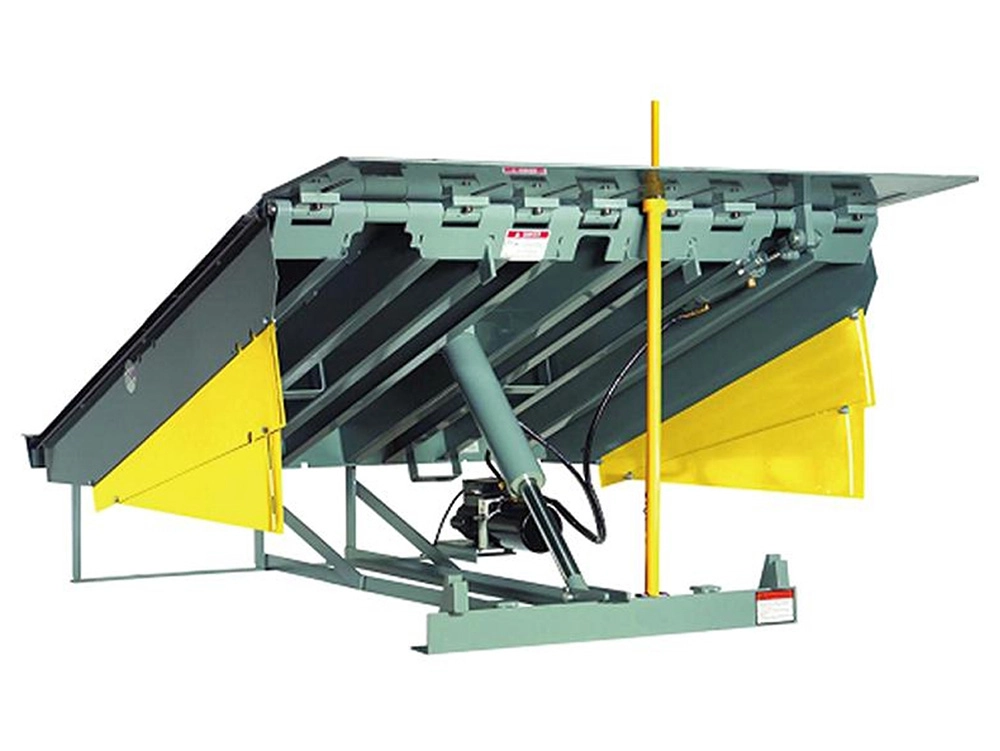
A dock leveler is a mechanical device installed at loading docks to bridge the gap between the dock and the trailer. It allows for the smooth transfer of goods between the warehouse and transport vehicles. The air bag dock leveler uses an inflatable air bladder to raise and lower the platform, accommodating various truck heights and ensuring a seamless transition for forklifts and other material handling equipment.
Dock levelers come in various types, including mechanical, hydraulic, and air bag systems. Each type has its advantages and is suited for different operational needs. Air bag dock levelers are increasingly popular due to their unique benefits, which set them apart from traditional mechanical and hydraulic models.
Air bag dock levelers operate using compressed air to inflate and deflate an air bladder. When a truck arrives, the air bag inflates, raising the dock leveler to the height of the truck bed. Once the loading or unloading process is complete, the air bag deflates, lowering the platform back to its resting position. This simple yet effective mechanism eliminates the need for complex mechanical parts, reducing maintenance requirements and enhancing reliability.
1. Low Maintenance: With fewer moving parts compared to hydraulic systems, air bag dock levelers require less maintenance, leading to lower operational costs.
2. Safety Features: Many air bag dock levelers come equipped with safety features such as automatic locking mechanisms and LED indicators, enhancing workplace safety.
3. Energy Efficiency: Air bag systems are designed to optimize air usage, making them more energy-efficient than traditional hydraulic systems.
Air bag dock levelers significantly enhance operational efficiency in logistics and supply chains. By providing a stable and adjustable platform, they facilitate quicker loading and unloading processes. This efficiency is crucial in meeting tight shipping schedules and maintaining a smooth flow of goods.
Safety is a critical concern in logistics operations. Air bag dock levelers contribute to workplace safety by minimizing the risk of accidents associated with height differences between the dock and the truck. They create a level surface for forklifts and workers, reducing the likelihood of slips, trips, and falls.
By providing a smooth transition between the dock and the truck, air bag dock levelers help reduce wear and tear on forklifts and other material handling equipment. This not only extends the lifespan of the equipment but also lowers maintenance and repair costs.
As technology continues to evolve, so do air bag dock levelers. Modern systems are increasingly integrated with smart sensors and IoT connectivity, allowing for real-time monitoring and predictive maintenance. These advancements enable logistics companies to optimize their operations further and reduce downtime.
With growing concerns about environmental sustainability, air bag dock levelers are designed to be more eco-friendly. Their energy-efficient operation and reduced maintenance needs contribute to lower carbon footprints, aligning with the sustainability goals of many logistics companies.
Air bag dock levelers play a vital role in modern logistics and supply chains. Their ability to enhance operational efficiency, improve safety standards, and reduce equipment wear makes them an indispensable component of loading dock operations. As technology advances, the capabilities of air bag dock levelers will continue to evolve, further solidifying their importance in the logistics industry.
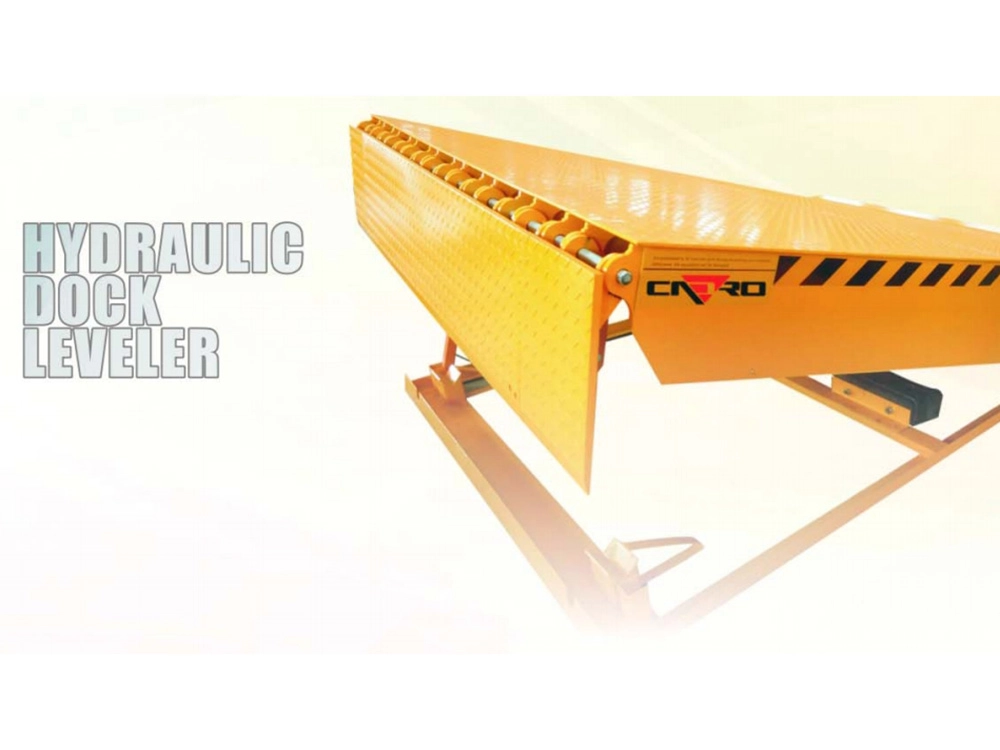
Air bag dock levelers offer low maintenance, enhanced safety features, and energy efficiency compared to traditional hydraulic systems.
They provide a stable and level surface for forklifts and workers, reducing the risk of slips, trips, and falls associated with height differences.
Yes, many air bag dock levelers are now equipped with smart sensors and IoT connectivity for real-time monitoring and predictive maintenance.
With proper maintenance, air bag dock levelers can have a long lifespan, often exceeding that of traditional hydraulic systems due to their simpler design.
While they are versatile and suitable for many warehouse environments, the specific needs of a facility should be assessed to determine the best type of dock leveler.
Hot Tags: China, Global, OEM, private label, manufacturers, factory, suppliers, manufacturing company