
Shenzhen Cadro Hydraulic Equipment Co.,Ltd
Views: 220 Author: cadrotaillift Publish Time: 2025-04-17 Origin: Site


Content Menu
● Understanding Container Cooling Systems
>> Types of Container Cooling Systems
>> Advantages of Container Cooling Systems
>> Disadvantages of Container Cooling Systems
● Overview of Portable AC Units
>> Advantages of Portable AC Units
>> Disadvantages of Portable AC Units
● Comparing Container Cooling Systems and Portable AC Units
● When to Choose a Container Cooling System
● When to Choose a Portable AC Unit
● Additional Cooling Considerations for Shipping Containers
>> Insulation and Reflective Coatings
>> Ventilation
>> Power Supply
● Maintenance Tips for Both Systems
● Related Questions and Answers
When it comes to cooling shipping containers, which are increasingly used for storage, offices, workshops, or even homes, choosing the right cooling system is crucial. Two popular options are container cooling systems designed specifically for containers and portable air conditioning (AC) units. This article explores the advantages, disadvantages, and suitability of each, helping you decide which is better for your needs.
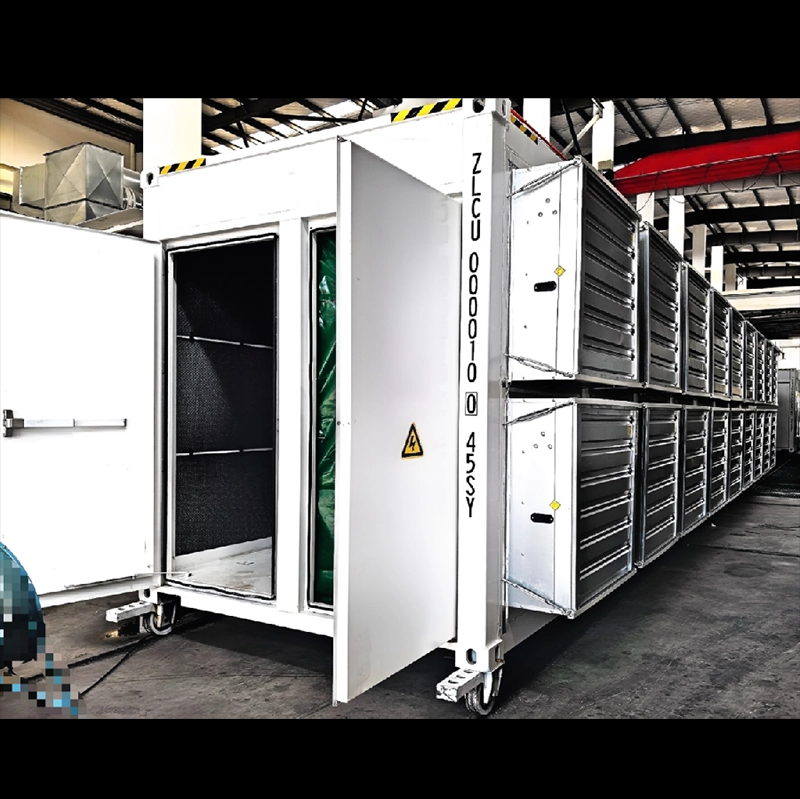
Container cooling systems are specialized setups designed to maintain optimal temperatures inside shipping containers. These systems can range from integrated HVAC units to liquid cooling or evaporative cooling solutions tailored to the container's unique environment.
- Evaporative Cooling Systems: These use water evaporation to cool the air, also known as swamp coolers. They are energy-efficient and work best in dry climates.
- Ductless Mini-Split Systems: These consist of an outdoor compressor and indoor air handlers, providing efficient cooling and heating.
- Central HVAC Systems: Larger, more powerful systems that offer centralized control and are suitable for bigger containers or multiple containers.
- Liquid Cooling Systems: These use a liquid medium to absorb and dissipate heat, offering high cooling efficiency especially for high power density applications.
- High Efficiency: Especially liquid cooling systems have superior heat dissipation due to direct contact between the cooling medium and heat sources.
- Temperature Stability: They maintain stable internal temperatures, crucial for sensitive goods or equipment.
- Customization: Systems can be tailored to container size, usage, and climate conditions.
- Long-Term Reliability: Designed for continuous operation in container environments, often with professional installation and maintenance plans.
- Higher Initial Cost: Installation and equipment costs are generally higher than portable units.
- Complex Installation: May require structural modifications and professional expertise.
- Maintenance Needs: Some systems, especially liquid cooling, need specialized maintenance and monitoring.
- Power Requirements: Often need dedicated electrical circuits or higher power supply capacity.
Portable AC units are standalone, movable devices that provide immediate cooling by exhausting hot air outside through a vent or window. They are commonly used for temporary or smaller-scale cooling needs.
- The unit intakes warm air from the container interior.
- The air is cooled via a refrigeration cycle inside the unit.
- Hot air generated during the process is vented outside through an exhaust hose.
- Cooled air is circulated back into the container.
- Ease of Installation: No permanent modifications required; just place inside and vent the exhaust.
- Portability: Can be moved to different locations or containers as needed.
- Lower Upfront Cost: More affordable than integrated container cooling systems.
- Flexibility: Suitable for temporary setups or smaller containers.
- Lower Efficiency: The condenser is inside the container, which can reduce overall cooling efficiency.
- Limited Cooling Capacity: Best suited for small to medium containers; may struggle with larger spaces.
- Regular Maintenance: Requires frequent filter cleaning and occasional servicing.
- Power Consumption: Can be energy-intensive, which may be a concern for off-grid or limited power setups.
| Feature | Container Cooling System | Portable AC Unit |
|---|---|---|
| Cooling Efficiency | High, especially with liquid or ductless systems | Moderate; condenser inside reduces efficiency |
| Installation | Complex, may require professional help | Simple, plug-and-play with venting |
| Cost | Higher initial and maintenance costs | Lower upfront cost, but ongoing electricity use |
| Portability | Fixed installation | Highly portable and flexible |
| Maintenance | Requires professional maintenance | User-maintainable with regular filter cleaning |
| Suitability | Best for long-term, large, or sensitive cooling needs | Best for temporary or small-scale cooling |
| Power Requirements | Often needs dedicated circuits | Standard electrical outlet |
If you require reliable, efficient, and stable cooling for a shipping container used as a permanent workspace, storage for temperature-sensitive goods, or a living space, a container cooling system is preferable. These systems can maintain consistent temperatures despite external heat, protect contents, and operate efficiently over long periods.
They are also ideal when:
- The container is large or heavily insulated.
- You have access to professional installation and maintenance.
- Energy efficiency and system longevity are priorities.
- You need integrated heating and cooling options.
Portable AC units are suitable for:
- Temporary cooling needs or short-term projects.
- Smaller containers where cooling demand is limited.
- Situations where ease of installation and mobility are important.
- Limited budgets or where professional installation is not feasible.
- Off-grid or low-power setups where you can manage power consumption carefully.
Regardless of the cooling system, insulating the container and applying reflective coatings or heat-rejecting paints can significantly reduce heat gain and improve cooling efficiency.
Proper ventilation helps reduce heat buildup and improves the performance of any cooling system.
Ensure your power source can handle the cooling system's requirements. Portable units typically use standard outlets, but container cooling systems may need dedicated circuits.
- Container Cooling Systems: Schedule regular professional inspections, clean filters and coils, and monitor coolant levels or liquid cooling media.
- Portable AC Units: Clean or replace filters regularly, ensure exhaust hoses are clear, and drain condensate as needed.
Choosing between a container cooling system and a portable AC unit depends largely on your specific cooling needs, container size, budget, and installation capabilities. Container cooling systems offer superior efficiency, stability, and customization for long-term use but come with higher costs and installation complexity. Portable AC units provide flexibility, ease of use, and affordability but may lack the power and efficiency needed for larger or permanent setups.
By carefully assessing your requirements and considering factors such as cooling capacity, power availability, and maintenance, you can select the best cooling solution for your shipping container.
---
Q1: Can I use a portable AC unit in any shipping container?
A1: Yes, portable AC units can be used in most containers, but their effectiveness depends on container size and insulation. They are best for small to medium containers.
Q2: How much power does a container cooling system require?
A2: Power requirements vary by system type and size but often need dedicated circuits and higher capacity than portable units.
Q3: Is liquid cooling better than air cooling for shipping containers?
A3: Liquid cooling offers higher efficiency and better temperature stability but is more expensive and complex compared to air cooling.
Q4: How often do portable AC units need maintenance?
A4: Filters should be cleaned or replaced every few weeks during heavy use, and the unit should be checked for blockages or leaks regularly.
Q5: What is the best way to improve cooling efficiency in a shipping container?
A5: Combine proper insulation, reflective coatings, adequate ventilation, and an appropriately sized cooling system for optimal results.

---
[1] https://www.tradecorp-usa.com/blog/shipping-container-cooling-and-7-proven-ways/
[2] https://www.reddit.com/r/prefabs/comments/tp4r3q/would_you_recommend_portable_air_conditioning/
[3] https://www.boxt.co.uk/air-conditioning/guides/wall-mounted-air-conditioning
[4] https://www.youtube.com/watch?v=uj7-HHPMgzE
[5] https://www.shippingconex.com/how-to-add-air-conditioning-to-shipping-container/
[6] https://www.sindathermal.com/info/advantages-and-disadvantages-of-liquid-cooling-95160212.html
[7] https://patents.google.com/patent/CN105423434A/zh
[8] https://www.garagejournal.com/forum/threads/cooling-a-20-shipping-container.339461/
[9] https://www.runtecool.com/news/what-are-the-advantages-and-disadvantages-of-direct-cooling-and-air-cooling/
---
Hot Tags: China, Global, OEM, private label, manufacturers, factory, suppliers, manufacturing company