
Shenzhen Cadro Hydraulic Equipment Co.,Ltd
Views: 220 Author: cadrotaillift Publish Time: 2025-12-07 Origin: Site


Content Menu
● Understanding Air Bag Dock Levelers
>> What Are Air Bag Dock Levelers?
>> Benefits of Air Bag Dock Levelers
● Common Causes of Air Bag Damage
● Troubleshooting Common Issues
>> Addressing Inconsistent Leveling
>> Resolving Electrical Issues
Dock levelers are essential equipment in warehouses and distribution centers, facilitating the smooth transfer of goods between trucks and loading docks. Among the various types of dock levelers, air bag dock levelers are popular due to their efficiency and ease of use. However, they are susceptible to punctures and damage, which can lead to costly repairs and operational downtime. This article explores effective strategies to prevent air bag punctures and damage in dock levelers.
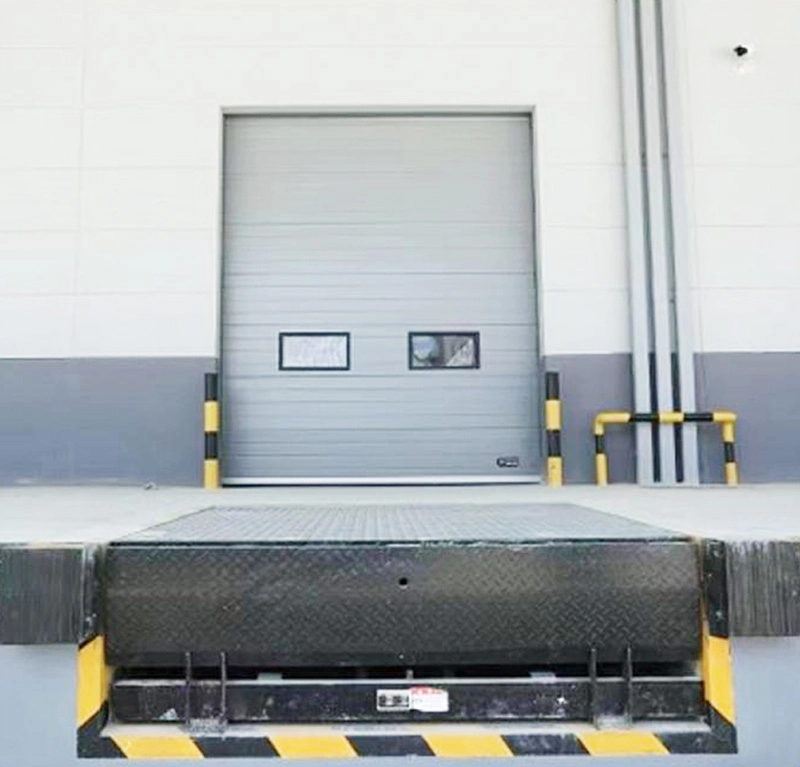
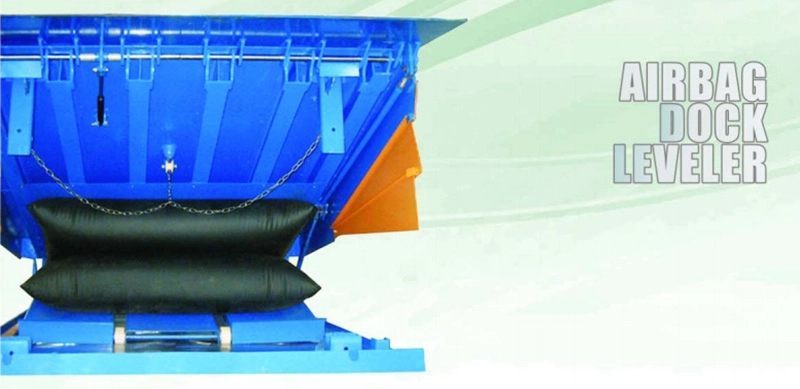
Air bag dock levelers utilize inflatable air bags to raise and lower the platform, allowing for seamless transitions between the dock and the trailer. These levelers are favored for their ability to handle heavy loads and their quick operation, which is typically controlled by a simple push-button mechanism.
1. Efficiency: Air bag dock levelers can be deployed quickly, reducing loading and unloading times.
2. Safety: They minimize the risk of accidents by providing a stable platform for forklifts and other equipment.
3. Durability: Made from reinforced materials, air bags are designed to withstand harsh conditions and heavy use.
One of the leading causes of air bag damage is improper installation. If the air bag is not correctly positioned on its skid, it can become misaligned during operation, leading to uneven wear and potential punctures.
Debris such as pallets, gravel, and other materials can accumulate in the dock leveler pit. This buildup can cause the air bag to become pinched or punctured during operation.
Regular maintenance is crucial for the longevity of dock levelers. Neglecting routine inspections and maintenance can lead to unnoticed wear and tear, increasing the risk of air bag damage.
To prevent air bag damage, ensure that the dock leveler is installed according to the manufacturer's specifications. This includes:
- Correct Positioning: Ensure the air bag is centered on its skid and fully seated on the leveler frame.
- Level Installation: The dock leveler should be installed on a level surface to prevent uneven loading.
Conduct regular inspections of the dock leveler and air bag system. Key areas to check include:
- Air Bag Condition: Look for signs of wear, such as cracks or abrasions on the air bag surface.
- Skid Alignment: Ensure the air bag skid is properly aligned and seated.
- Debris Removal: Regularly clean the area around the dock leveler to prevent debris accumulation.
Establish a routine maintenance schedule that includes:
- Weekly Checks: Inspect the air bag and surrounding areas weekly for any signs of damage or debris.
- Lubrication: Properly lubricate moving parts to reduce friction and wear.
- Component Replacement: Replace worn or damaged parts promptly to prevent further issues.
Training staff on the proper operation of dock levelers is essential. Ensure that all personnel are aware of:
- Safe Operating Procedures: Teach staff how to operate the dock leveler safely and efficiently.
- Signs of Trouble: Train employees to recognize signs of potential issues, such as unusual noises or sluggish operation.
Consider using protective covers for the air bags when the dock leveler is not in use. These covers can help shield the air bags from environmental factors and physical damage.
If you notice that the air bag is not inflating properly, it may have a leak. To diagnose:
- Visual Inspection: Look for visible signs of damage or wear on the air bag.
- Soapy Water Test: Apply soapy water to the air bag surface; bubbles will form at the site of a leak.
If the dock leveler does not level properly, check for:
- Air Pressure: Ensure that the air bag is receiving adequate air pressure.
- Skid Position: Verify that the air bag skid is correctly positioned.
For electric-powered dock levelers, electrical issues can cause operational problems. Check:
- Power Supply: Ensure that the power supply to the dock leveler is functioning correctly.
- Control Mechanism: Inspect the control buttons and wiring for any signs of damage.
Preventing air bag punctures and damage in dock levelers is crucial for maintaining operational efficiency and safety in loading docks. By implementing proper installation techniques, conducting regular inspections, establishing a maintenance schedule, training staff, and using protective measures, you can significantly reduce the risk of air bag damage. These proactive steps will not only extend the life of your dock levelers but also enhance the overall safety and productivity of your operations.
1. What should I do if my air bag dock leveler is not inflating?
- Check for leaks in the air bag and ensure that the air supply is functioning properly.
2. How often should I inspect my dock leveler?
- It is recommended to conduct weekly inspections to identify any potential issues early.
3. Can debris in the pit cause damage to the air bag?
- Yes, debris can pinch or puncture the air bag during operation, so regular cleaning is essential.
4. What are the signs of a damaged air bag?
- Look for cracks, abrasions, or any visible wear on the air bag surface.
5. Is staff training important for dock leveler operation?
- Absolutely. Proper training helps prevent accidents and ensures that the equipment is used safely and effectively.
Hot Tags: China, Global, OEM, private label, manufacturers, factory, suppliers, manufacturing company