
Shenzhen Cadro Hydraulic Equipment Co.,Ltd
Views: 220 Author: cadrotaillift Publish Time: 2025-12-30 Origin: Site


Content Menu
● Understanding Chain-Driven Column Tail Lifts
>> What is a Chain-Driven Column Tail Lift?
● Safety Features of Chain-Driven Column Tail Lifts
>> Compliance with Safety Standards
● Best Practices for Safe Operation
>> Regular Inspections and Maintenance
>> 1. How often should I inspect my chain-driven column tail lift?
>> 2. What should I do if the lift is overloaded?
>> 3. Are there specific training requirements for operators?
>> 4. What maintenance is required for chain-driven column tail lifts?
>> 5. How can I prevent slipping on the lift platform?
Chain-driven column tail lifts are essential tools in logistics and transportation, providing a reliable means to load and unload goods efficiently. However, their operation comes with inherent risks that can lead to accidents if not managed properly. This article outlines best practices and safety measures to maximize safety when using these lifts.

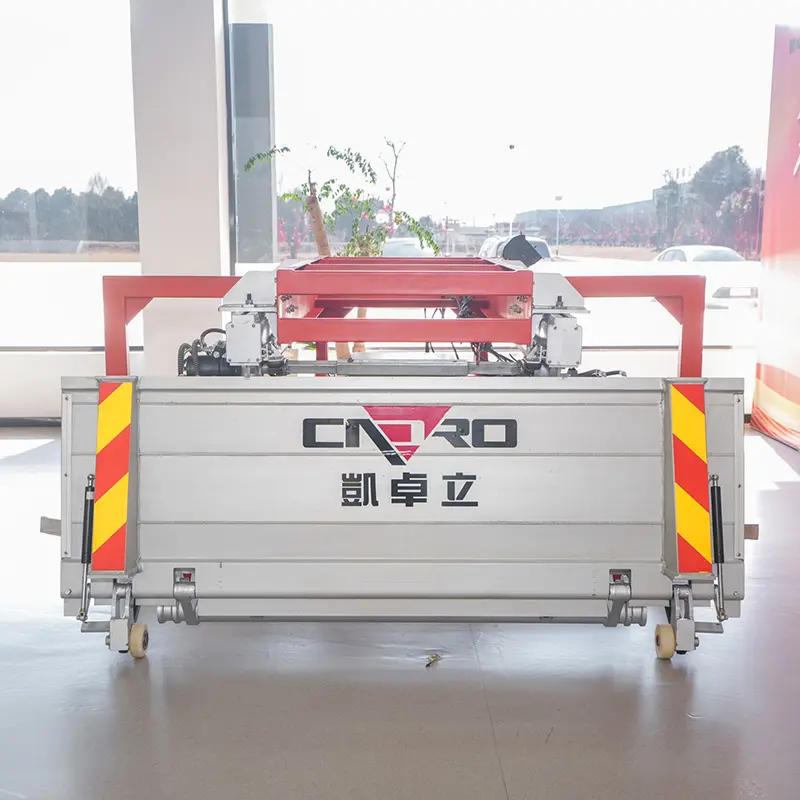
A chain-driven column tail lift is a mechanical device mounted on the rear of a vehicle, designed to raise and lower cargo. It operates using a chain mechanism that moves the platform vertically along columns, allowing for smooth and stable lifting of heavy loads.
1. Platform: The surface where goods are placed.
2. Columns: Vertical supports that guide the platform's movement.
3. Chain Mechanism: Drives the platform up and down.
4. Control System: Allows the operator to manage the lift's operation.
Modern chain-driven column tail lifts are equipped with several safety features designed to prevent accidents:
- Automatic Safety Locks: These locks engage when the lift is not in use, preventing accidental descent.
- Overload Protection: Sensors that detect excessive weight and halt operation to prevent damage and accidents.
- Emergency Stop Buttons: Allow for immediate cessation of lift operation in case of an emergency.
- Anti-Slip Surfaces: Textured surfaces on the platform reduce the risk of slipping during loading and unloading.
It is crucial that tail lifts comply with safety standards such as EN 1756-1, which governs vehicle-mounted lifting platforms. Compliance ensures that the equipment meets minimum safety requirements, reducing the risk of accidents.
Proper training is essential for all operators of chain-driven column tail lifts. Training should cover:
- Understanding Controls: Familiarity with the lift's control system and safety features.
- Load Management: Techniques for safely loading and unloading goods.
- Emergency Procedures: Steps to take in case of a malfunction or accident.
Routine inspections and maintenance are vital for ensuring the lift operates safely. Operators should:
- Inspect Before Use: Conduct a visual check for any signs of wear, damage, or malfunction.
- Check Safety Features: Ensure that safety locks, emergency stops, and overload sensors are functioning correctly.
- Lubricate Moving Parts: Regular lubrication of the chain and other moving components can prevent wear and tear.
Proper load management is critical for safe operation. Operators should:
- Distribute Weight Evenly: Ensure that loads are evenly distributed across the platform to prevent tipping.
- Know Load Limits: Adhere to the manufacturer's specified weight limits to avoid overloading the lift.
- Secure Loads: Use straps or other securing methods to prevent loads from shifting during operation.
Before operating the tail lift, operators should:
1. Clear the Area: Ensure that the area around the lift is free of obstacles and bystanders.
2. Position the Vehicle: Park the vehicle on a flat, stable surface to prevent movement during operation.
3. Engage Safety Features: Activate any safety features, such as hazard lights, to alert others of the operation.
When operating the lift, follow these steps:
1. Activate the Lift: Use the control system to raise or lower the platform.
2. Monitor the Load: Keep an eye on the load to ensure it remains stable throughout the operation.
3. Avoid Overreaching: Operators should not lean over the edge of the platform or attempt to adjust loads while the lift is in motion.
After using the lift, operators should:
- Lower the Platform: Ensure the platform is fully lowered and secured.
- Perform a Final Check: Inspect the lift for any signs of damage or wear that may have occurred during use.
- Document Usage: Keep a log of usage and any maintenance performed to track the lift's condition over time.
In the event of a malfunction, operators should:
1. Stop Operation Immediately: Use the emergency stop button to halt all activity.
2. Assess the Situation: Determine the cause of the malfunction and whether it is safe to proceed.
3. Notify Maintenance Personnel: Report any issues to qualified maintenance staff for inspection and repair.
If an accident occurs, operators should:
- Ensure Safety First: Check for injuries and ensure that all personnel are safe.
- Call for Help: Contact emergency services if necessary.
- Document the Incident: Record details of the accident for reporting and future prevention measures.
Maximizing safety when using chain-driven column tail lifts requires a combination of proper training, regular maintenance, and adherence to safety protocols. By implementing these best practices, operators can significantly reduce the risk of accidents and ensure a safe working environment.
Regular inspections should be conducted before each use, with more thorough checks performed monthly or quarterly, depending on usage frequency.
If the lift is overloaded, stop operation immediately and redistribute the load to ensure it does not exceed the manufacturer's specified weight limit.
Yes, operators should undergo training that covers the lift's operation, safety features, and emergency procedures to ensure safe usage.
Maintenance includes regular inspections, lubrication of moving parts, and checking safety features to ensure they are functioning correctly.
To prevent slipping, ensure that the platform surface is clean and free of debris, and use anti-slip mats if necessary.
Hot Tags: China, Global, OEM, private label, manufacturers, factory, suppliers, manufacturing company