
Shenzhen Cadro Hydraulic Equipment Co.,Ltd
Views: 220 Author: cadrotaillift Publish Time: 2025-12-13 Origin: Site


Content Menu
● Understanding Hydraulic Dock Levelers
>> What is a Hydraulic Dock Leveler?
● Troubleshooting Common Issues
● Best Practices for Maintenance
>> Train Staff
>> Schedule Regular Professional Inspections
Maintaining a hydraulic dock leveler is crucial for ensuring its longevity and optimal performance. These essential pieces of equipment facilitate the safe and efficient loading and unloading of goods, making them a vital component in warehouses and distribution centers. This article will provide a comprehensive guide on how to maintain your hydraulic dock leveler, covering everything from routine inspections to troubleshooting common issues.
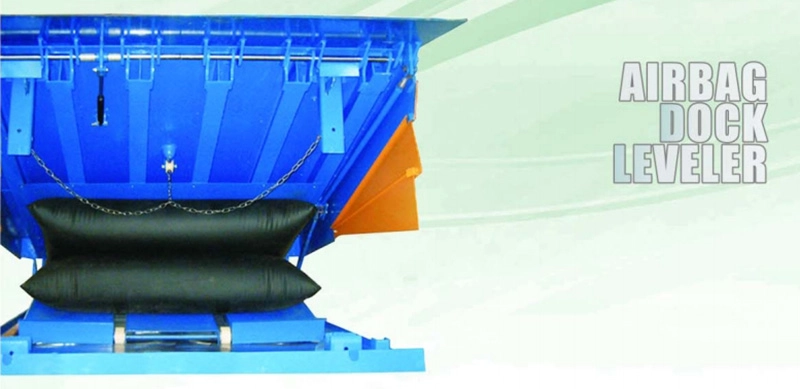
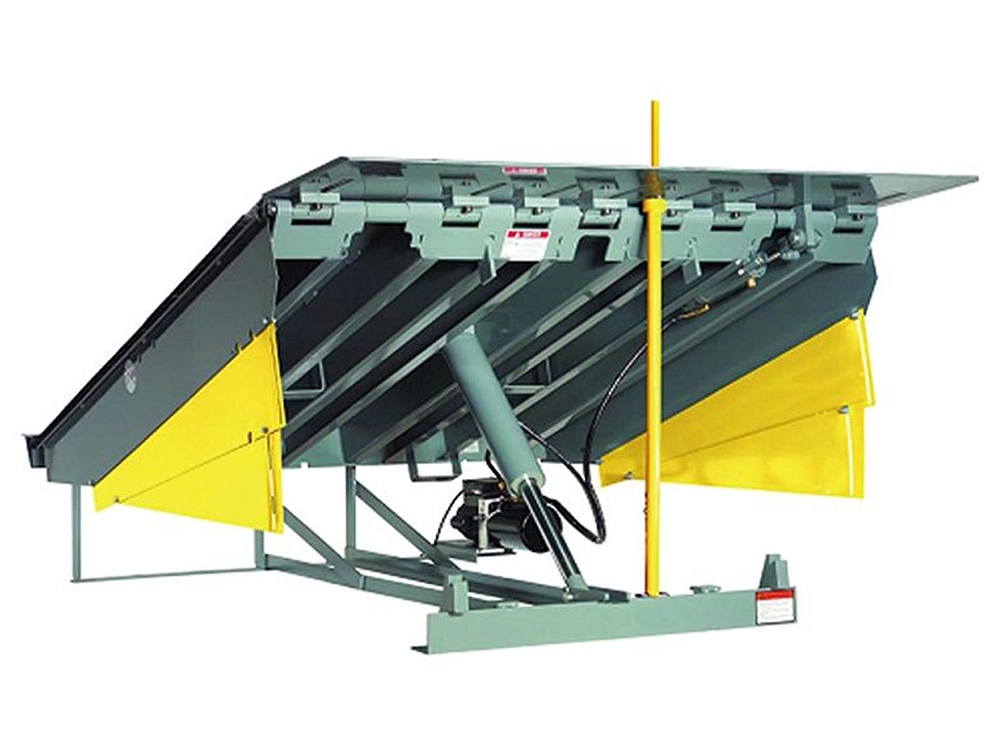
A hydraulic dock leveler is a mechanical device that bridges the gap between a loading dock and a truck or trailer. It uses hydraulic power to raise and lower a platform, allowing for smooth transitions of goods between different heights. This equipment is designed to handle heavy loads and is often used in high-traffic areas.
Regular maintenance of hydraulic dock levelers is essential for several reasons:
- Safety: Properly maintained levelers reduce the risk of accidents and injuries.
- Efficiency: Well-functioning equipment ensures smooth operations, minimizing downtime.
- Cost Savings: Preventative maintenance can help avoid costly repairs and replacements.
Conducting daily inspections is the first step in maintaining your hydraulic dock leveler. Here are some key areas to focus on:
- Visual Checks: Look for any visible signs of wear, damage, or leaks in the hydraulic system.
- Functionality Test: Operate the leveler through its full range of motion to ensure it functions smoothly.
- Cleanliness: Remove any debris or obstructions around the leveler to prevent operational issues.
In addition to daily checks, a more thorough weekly maintenance routine should be established:
- Lubrication: Apply lubricant to all moving parts, including hinges and pivot points, to reduce friction and wear.
- Fluid Levels: Check the hydraulic fluid levels and top up if necessary. Ensure that the fluid is clean and free from contaminants.
- Inspect Components: Examine all mechanical components for signs of damage or excessive wear.
Monthly maintenance tasks should include:
- Detailed Inspection: Conduct a more comprehensive inspection of the hydraulic system, including hoses, fittings, and seals.
- Cleaning: Clean the area under the dock leveler to prevent debris buildup that could impede operation.
- Safety Features: Test all safety features, such as emergency stop buttons and safety barriers, to ensure they are functioning correctly.
Every three months, perform the following:
- Hydraulic Fluid Change: Change the hydraulic fluid to maintain optimal performance. This is especially important in environments with high dust or debris levels.
- Professional Inspection: Consider hiring a professional technician to conduct a thorough inspection and maintenance check.
At least once a year, a comprehensive maintenance review should be conducted:
- Full System Check: Inspect the entire hydraulic system for leaks, wear, and proper operation.
- Replace Worn Parts: Identify and replace any components that show signs of significant wear or damage.
- Documentation: Keep detailed records of all maintenance activities, including inspections, repairs, and parts replacements.
If your hydraulic dock leveler is operating slowly, it may indicate a problem with the hydraulic system. Here are steps to troubleshoot:
- Check Fluid Levels: Ensure that the hydraulic fluid is at the correct level and is not contaminated.
- Inspect for Leaks: Look for any signs of leaks in the hydraulic lines or connections.
- Test the Pump: If the fluid levels are fine, the hydraulic pump may need to be inspected or replaced.
If the dock leveler does not level evenly, it could be due to misalignment or mechanical issues:
- Inspect Hinge Points: Check the hinge points for wear or damage that could cause misalignment.
- Adjust Settings: Some levelers have adjustable settings that may need to be recalibrated.
Unusual noises during operation can indicate mechanical issues:
- Lubrication: Ensure that all moving parts are adequately lubricated.
- Check for Obstructions: Look for any debris that may be causing friction or noise.
Hydraulic leaks can lead to significant operational issues:
- Identify the Source: Inspect hoses, fittings, and seals for signs of leaks.
- Repair or Replace: Any damaged components should be repaired or replaced immediately to prevent further issues.
Maintaining a detailed log of all inspections, maintenance activities, and repairs can help track the performance of your dock leveler over time. This log can be invaluable for identifying recurring issues and planning future maintenance.
Ensure that all staff members who operate the dock leveler are trained in its proper use and maintenance. This training should include:
- Daily Inspection Procedures: Teach staff how to conduct daily checks and what to look for.
- Emergency Procedures: Ensure that all employees know how to respond in case of a malfunction or emergency.
While routine maintenance can be performed in-house, scheduling regular inspections with a professional technician can help identify potential issues before they become serious problems. These experts can provide insights and recommendations based on their experience.
Maintaining your hydraulic dock leveler is essential for ensuring its peak performance and longevity. By following a structured maintenance schedule that includes daily, weekly, monthly, quarterly, and annual tasks, you can keep your equipment running smoothly and efficiently. Regular inspections, proper lubrication, and timely repairs will not only enhance safety but also save you money in the long run.
1. How often should I perform maintenance on my hydraulic dock leveler?
- Daily inspections should be conducted, with more thorough maintenance performed weekly, monthly, quarterly, and annually.
2. What are the signs that my dock leveler needs repairs?
- Look for slow operation, unusual noises, uneven leveling, or visible leaks in the hydraulic system.
3. Can I perform maintenance myself, or should I hire a professional?
- Routine maintenance can be performed in-house, but it's advisable to schedule regular inspections with a professional technician.
4. What type of lubricant should I use for my dock leveler?
- Always use the manufacturer-recommended lubricants for optimal performance.
5. How can I extend the lifespan of my hydraulic dock leveler?
- Regular maintenance, timely repairs, and keeping a clean operating environment can significantly extend the lifespan of your dock leveler.
Hot Tags: China, Global, OEM, private label, manufacturers, factory, suppliers, manufacturing company