
Shenzhen Cadro Hydraulic Equipment Co.,Ltd
Views: 220 Author: cadrotaillift Publish Time: 2025-12-31 Origin: Site


Content Menu
● Understanding Container Liquid Cooling
>> What is Container Liquid Cooling?
>> Benefits of Container Liquid Cooling
● Factors to Consider When Choosing a Container Liquid Cooling Solution
>> 1. Application Requirements
>> 4. Maintenance and Reliability
● Comparing Container Liquid Cooling Solutions
>> 1. Passive vs. Active Cooling
>> 2. Modular vs. Integrated Systems
● Applications of Container Liquid Cooling
● Future Trends in Container Liquid Cooling
>> 1. Increased Adoption of Liquid Cooling in Data Centers
>> 2. Development of Advanced Coolants
>> 3. Integration with Renewable Energy
In today's world, efficient cooling solutions are essential for maintaining optimal performance in both vehicles and data centers. As technology advances, the demand for effective cooling systems has increased, leading to the development of container liquid cooling solutions. This article will guide you through the process of selecting the right container liquid cooling solution for your specific needs, whether for a vehicle or a data center.
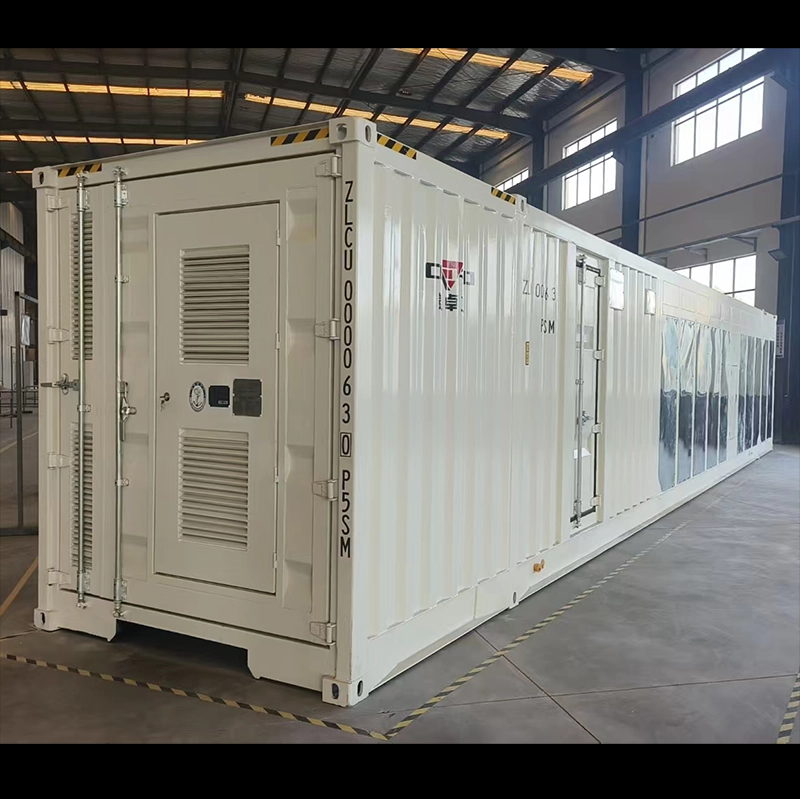
Container liquid cooling refers to a system that uses liquid as a cooling medium to dissipate heat from components. This method is particularly effective in environments where traditional air cooling is insufficient. By circulating a coolant through a closed loop, container liquid cooling can maintain lower temperatures, enhancing the performance and longevity of the equipment.
1. Efficiency: Liquid cooling systems are generally more efficient than air cooling systems. They can transfer heat away from components more effectively, allowing for higher performance levels.
2. Space-Saving: Container liquid cooling solutions can be compact, making them suitable for environments with limited space, such as data centers or vehicles.
3. Noise Reduction: Liquid cooling systems tend to operate more quietly than air cooling systems, which is beneficial in environments where noise levels need to be minimized.
4. Scalability: These systems can be easily scaled to accommodate growing needs, making them ideal for both small and large applications.
The first step in selecting a container liquid cooling solution is to understand the specific requirements of your application. Consider the following:
- Heat Load: Determine the amount of heat generated by the components that need cooling. This will help you select a system capable of handling the required heat dissipation.
- Space Constraints: Evaluate the available space for the cooling system. Container solutions can vary in size, so it's essential to choose one that fits your environment.
- Operating Conditions: Consider the operating environment, including temperature ranges, humidity levels, and potential exposure to contaminants.
The choice of coolant is critical in a liquid cooling system. Common options include:
- Water: Widely used due to its high heat capacity and availability. However, it can cause corrosion if not treated properly.
- Glycol: Often mixed with water to lower the freezing point and prevent corrosion. It is suitable for environments with lower temperatures.
- Specialized Coolants: Some applications may require specialized coolants designed for specific conditions, such as non-conductive fluids for sensitive electronics.
The design of the cooling system plays a significant role in its effectiveness. Key design considerations include:
- Pump Selection: The pump is responsible for circulating the coolant. Choose a pump that can handle the required flow rate and pressure.
- Heat Exchangers: These components transfer heat from the coolant to the surrounding environment. The design and efficiency of heat exchangers can significantly impact cooling performance.
- Piping and Fittings: Ensure that the piping and fittings are compatible with the chosen coolant and can handle the required pressure and temperature.
A reliable cooling system requires regular maintenance to ensure optimal performance. Consider the following:
- Ease of Maintenance: Choose a system that allows for easy access to components for maintenance and repairs.
- Monitoring Systems: Implement monitoring systems to track coolant levels, temperatures, and flow rates. This can help identify potential issues before they become critical.
- Warranty and Support: Look for manufacturers that offer warranties and support services to assist with any issues that may arise.
- Passive Cooling: This method relies on natural convection and does not use pumps or fans. It is generally less effective for high heat loads but can be suitable for low-power applications.
- Active Cooling: Involves the use of pumps and fans to enhance heat transfer. This method is more effective for high-performance applications, such as data centers and high-performance vehicles.
- Modular Systems: These systems can be expanded or modified as needed. They are ideal for applications where future growth is anticipated.
- Integrated Systems: These are designed as a complete unit and may be less flexible but can offer better performance for specific applications.
In data centers, container liquid cooling solutions are becoming increasingly popular due to their efficiency and ability to handle high heat loads. These systems can be integrated into existing infrastructure or used in modular data center designs.
As electric vehicles (EVs) become more prevalent, effective cooling solutions are essential for maintaining battery performance and longevity. Container liquid cooling systems can efficiently manage the heat generated by batteries and electric motors.
Many industrial applications generate significant heat, making effective cooling solutions necessary. Container liquid cooling can be used in various industrial equipment, including servers, manufacturing machinery, and telecommunications equipment.
As the demand for data processing continues to grow, more data centers are adopting liquid cooling solutions to improve efficiency and reduce energy consumption.
Research is ongoing to develop new coolants that offer better thermal properties and environmental benefits. These advancements could lead to more efficient and sustainable cooling solutions.
The integration of container liquid cooling systems with renewable energy sources, such as solar or wind power, is an emerging trend. This approach can enhance sustainability and reduce operational costs.
Choosing the right container liquid cooling solution requires careful consideration of various factors, including application requirements, coolant type, system design, and maintenance needs. By understanding these elements, you can select a cooling solution that meets your specific needs, whether for a vehicle or a data center. As technology continues to evolve, staying informed about the latest trends and advancements in liquid cooling will help you make the best decisions for your cooling needs.

1. What are the main advantages of liquid cooling over air cooling?
Liquid cooling is more efficient, quieter, and can handle higher heat loads compared to air cooling.
2. How do I determine the right coolant for my application?
Consider factors such as operating temperature, potential for corrosion, and the specific heat transfer requirements of your system.
3. What maintenance is required for a liquid cooling system?
Regular checks of coolant levels, monitoring temperatures, and ensuring the pump and heat exchangers are functioning properly are essential for maintenance.
4. Can container liquid cooling systems be used in outdoor environments?
Yes, but it is crucial to select components that can withstand outdoor conditions, including temperature fluctuations and exposure to moisture.
5. How do I know if my cooling system is performing effectively?
Implement monitoring systems to track temperatures and flow rates, and regularly inspect components for signs of wear or inefficiency.
Hot Tags: China, Global, OEM, private label, manufacturers, factory, suppliers, manufacturing company