
Shenzhen Cadro Hydraulic Equipment Co.,Ltd
Views: 220 Author: cadrotaillift Publish Time: 2025-10-29 Origin: Site


Content Menu
● Understanding tail lifts and their benefits
● Determine your load profiles and duty cycle
● Vehicle compatibility and mounting options
● Weight capacity and platform dimensions
● Safety features and certifications
● Control methods and ergonomics
● Installation, integration, and installation downtime
● Power source and energy efficiency
● Maintenance, serviceability, and parts availability
● Noise, temperature, and environmental considerations
● Budgeting and total cost of ownership
● How to compare options like a pro
● Practical evaluation steps before purchase
● Key questions to ask your supplier
● Common installation scenarios and recommendations
● Operating best practices for safety and efficiency
● Long-term considerations and future-proofing
● Summary of critical selection factors
● FAQ
Choosing the right retractable tail lift is essential for improving loading efficiency, reducing worker strain, and protecting valuable cargo. This guide helps you evaluate options, compare features, and select a tail lift that fits your vehicle and application. By understanding key factors such as weight capacity, platform size, deployment methods, and installation requirements, you can make a confident, informed decision.

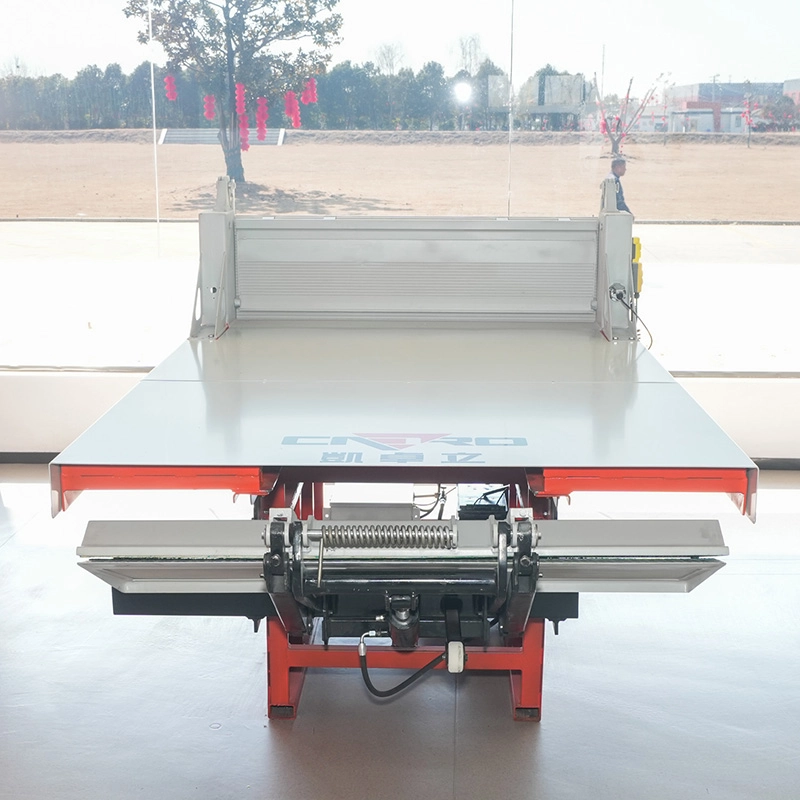
Retractable tail lifts are hydraulic or electric platforms that raise and lower goods from ground level to your vehicle's cargo area. They save time during loading and unloading, reduce the risk of back injuries, and enhance accessibility for a wider range of goods. A well-matched tail lift also improves uptime by minimizing manual handling and streamlining daily operations.
To pick the right tail lift, you must analyze typical loads and usage patterns. Consider the average weight of items, their dimensions, and how often you will raise and lower them. If you frequently handle heavy pallets or bulky items, you'll want a higher weight capacity and a robust platform. If your use involves many short trips, a quick deployment time may be more valuable than extreme lift specs.
Tail lifts come in various mounting configurations, including underbody, bumper-mounted, and rail-mounted designs. Your vehicle's chassis, available space, and rear door design influence which option works best. Check the vehicle's weight distribution, tailgate clearance, and any interference with rear doors or ramps. Ensure the chosen tail lift aligns with your vehicle's turning radius and headroom inside the cargo area.
Platform capacity determines how much weight you can lift safely. Common commercial tail lifts offer capacities ranging from several hundred kilograms to one or more metric tons, depending on the model. Platform dimensions should accommodate your typical pallet footprint or load shape. Consider extra space for securing cargo and for operators to maneuver safely during loading.
Lift speed affects productivity and operator fatigue. Faster lifts allow quicker deliveries, but may require more powerful motors and cooling. The duty cycle—how many cycles per hour the lift can perform without overheating or excessive wear—matters for high-volume operations. Look for a balance between speed, reliability, and energy efficiency that matches your work tempo.
Safety is paramount when selecting a tail lift. Look for anti-slip platforms, guard rails where appropriate, emergency stop buttons, safety interlocks, and descent control mechanisms. Certifications from recognized authorities can provide assurance of reliability and compliance with industry standards. Regular maintenance access and clear service documentation support long-term safety.
Tail lifts can be controlled by handheld remotes, built-in control panels, or wired/ wireless consoles. Ergonomic controls reduce operator strain and minimize errors during operation. A user-friendly interface with intuitive buttons and clear indicators helps ensure safe, efficient use in varying lighting and weather conditions.
Consider the complexity and duration of installation. Some tail lifts are designed for bolt-on installation with minimal vehicle modification, while others require more extensive integration with electrical systems, hydraulic lines, or chassis modifications. A clear installation plan, including expected downtime and any required structural reinforcement, helps you budget accurately.
Tail lifts are powered by electric motors or hydraulics, with options for integrated batteries or connection to the vehicle's power system. Evaluate energy consumption, charging requirements, and the feasibility of regenerative braking or idle-off features. For electric-driven models, check battery life, charging time, and replacement costs.
A maintenance-friendly design reduces downtime and extends service life. Verify the availability of spare parts, service technicians, and recommended maintenance schedules. Consider whether your supplier offers as-needed maintenance plans, remote diagnostics, or on-site service support for urgent repairs.
In urban environments or temperature-controlled facilities, noise levels and operating temperature ranges matter. Some tail lifts are designed for quiet operation or low vibration to minimize disturbance. If you operate in extreme climates, verify that components like seals, lubricants, and motors perform reliably under your conditions.
Beyond purchase price, factor in installation, annual maintenance, energy costs, and potential downtime costs due to repairs. A higher upfront investment in a durable, reputable tail lift can reduce long-term expenses and downtime. Compare total cost of ownership across models to identify the most cost-effective option for your needs.
- Define your primary load profile, mileage, and operating environment.
- List required platform dimensions and weight capacity.
- Check mounting compatibility with your vehicle and cargo area.
- Review safety features, control options, and ease of use.
- Assess maintenance requirements, parts availability, and warranty terms.
- Request on-site demonstrations or a test lift to evaluate performance.
- Measure your typical pallet footprint, including any non-standard shapes.
- Confirm headroom and door clearance inside the cargo area after installation.
- Verify compatibility with any shelving, dividers, or securing systems you use.
- Check how the lift integrates with your loading dock or ground surface if applicable.
- Arrange a trial with operator training to ensure intuitive use and safety.
- What is the maximum load capacity and the safe working load under typical conditions?
- Are there any limitations on installation types or vehicle models you support?
- What is the expected service life and the maintenance schedule?
- Do you offer remote diagnostics, warranty coverage, and post-sale support?
- Can you provide references from similar fleets and applications?
- Urban delivery vans with tight rear-door access: consider bumper-mounted or underbody lifts with compact footprints and quick deployment.
- Medium-duty trucks handling pallets: prioritize higher platform length, robust hydraulics, and enhanced protective features.
- Cold-chain or food-service fleets: ensure components resist corrosion and operate reliably in low temperatures.
- Train operators on proper load placement, securing methods, and sign-off procedures after each lift.
- Inspect the platform surface for debris, ice, or structural wear before use.
- Use appropriate PPE and follow lockout procedures during maintenance.
- Schedule regular inspections and adhere to manufacturer-recommended service intervals.
Invest in a tail lift with upgrade paths for higher capacities or advanced control options if you anticipate fleet expansion. Choose a vendor with a strong product roadmap, spare parts availability, and scalable options to accommodate evolving loading needs without a full equipment replacement.
- Load capacity and platform size to fit typical cargo.
- Vehicle compatibility and mounting options.
- Safety features, control ergonomics, and compliance.
- Installation complexity, downtime, and total cost of ownership.
- Maintenance support, parts availability, and warranty terms.
- What is a tail lift and why do I need one for my truck or van?
- How do I determine the right weight capacity for my loads?
- Can tail lifts be installed on any vehicle model?
- What maintenance schedule is typical for a retractable tail lift?
- Are there safety certifications I should look for when buying a tail lift?
Hot Tags: China, Global, OEM, private label, manufacturers, factory, suppliers, manufacturing company