
Shenzhen Cadro Hydraulic Equipment Co.,Ltd
Views: 220 Author: cadrotaillift Publish Time: 2025-12-11 Origin: Site


Content Menu
● Understanding Hydraulic Systems
>> What Are Hydraulic Systems?
>> The Evolution of Hydraulic Systems
● The Role of Intelligent Hydraulic Supporting Systems
>> Integration of Electronics and Sensors
● Benefits of Intelligent Hydraulic Supporting Systems
>> Enhanced Vehicle Performance
>>> Improved Braking Efficiency
● Applications of Intelligent Hydraulic Systems
● Challenges and Future Directions
>> 1. What are the main components of a hydraulic system?
>> 2. How do intelligent hydraulic systems improve vehicle safety?
>> 3. What is an active suspension system?
>> 4. How does predictive maintenance work in hydraulic systems?
>> 5. What future trends are expected in intelligent hydraulic systems?
In the automotive industry, the integration of intelligent hydraulic supporting systems has revolutionized vehicle performance and safety. These systems utilize advanced technology to enhance the functionality of traditional hydraulic systems, providing real-time data, improved control, and increased efficiency. This article explores how these intelligent systems work, their benefits, and their impact on vehicle performance and safety.
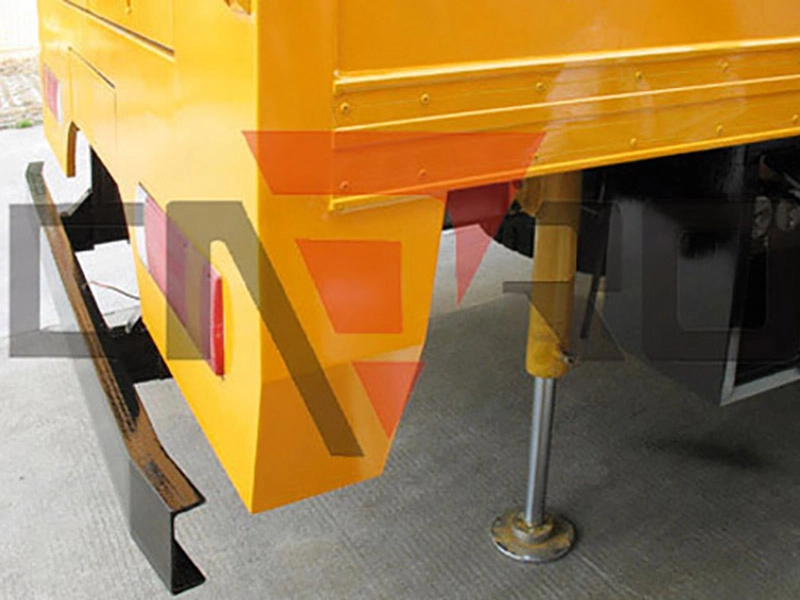
Hydraulic systems use pressurized fluid to generate mechanical power. They are essential in various applications, including braking, steering, and suspension systems in vehicles. The basic components of a hydraulic system include a pump, hydraulic fluid, actuators, and valves. The pump generates pressure, which is transmitted through the fluid to perform work.
Traditionally, hydraulic systems were mechanical and relied on simple controls. However, advancements in technology have led to the development of intelligent hydraulic systems that incorporate electronic controls, sensors, and software. This evolution allows for more precise control and better performance.
Intelligent hydraulic systems integrate electronics and sensors to monitor and control hydraulic functions in real-time. This integration allows for adaptive responses to changing conditions, enhancing the overall performance of the vehicle. For instance, sensors can detect road conditions and adjust the suspension system accordingly, providing a smoother ride.
One of the key features of intelligent hydraulic systems is their ability to process data in real-time. This capability enables the system to make immediate adjustments based on various parameters, such as load, speed, and road conditions. For example, if a vehicle encounters a pothole, the system can instantly adjust the suspension to minimize the impact on passengers.
Intelligent hydraulic systems significantly improve vehicle performance by optimizing various functions. For instance, in suspension systems, these systems can adjust the stiffness and damping characteristics based on driving conditions. This adaptability leads to better handling, stability, and comfort.
In braking systems, intelligent hydraulics can enhance stopping power and reduce stopping distances. By precisely controlling brake pressure, these systems can prevent wheel lock-up and improve overall safety during emergency braking situations.
Safety is a paramount concern in the automotive industry, and intelligent hydraulic systems contribute significantly to vehicle safety. Features such as anti-lock braking systems (ABS) and electronic stability control (ESC) rely on hydraulic technology to function effectively.
Intelligent hydraulic systems can also predict maintenance needs by monitoring system performance and identifying potential issues before they become critical. This predictive maintenance capability reduces the risk of failures and enhances vehicle reliability.
Active suspension systems are one of the most notable applications of intelligent hydraulic technology. These systems adjust the suspension in real-time to improve ride quality and handling. By continuously monitoring road conditions and vehicle dynamics, active suspension systems can provide a smoother ride and better cornering performance.
As the automotive industry moves towards automation, intelligent hydraulic systems play a crucial role in the development of autonomous vehicles. These systems enable precise control of vehicle dynamics, ensuring safety and stability during autonomous operation.
Despite the numerous benefits, the implementation of intelligent hydraulic systems faces several challenges. These include the complexity of integrating advanced electronics with traditional hydraulic components and the need for robust software solutions to manage system operations.
Looking ahead, the future of intelligent hydraulic systems in vehicles is promising. Innovations such as artificial intelligence (AI) and machine learning are expected to further enhance the capabilities of these systems. For instance, AI can analyze data from various sensors to optimize hydraulic performance dynamically.
Intelligent hydraulic supporting systems are transforming the automotive landscape by improving vehicle performance and safety. Through the integration of advanced technology, these systems provide enhanced control, real-time data processing, and predictive maintenance capabilities. As the industry continues to evolve, the role of intelligent hydraulics will become increasingly vital in ensuring safer and more efficient vehicles.

The main components of a hydraulic system include a pump, hydraulic fluid, actuators, and valves. These components work together to generate and control mechanical power.
Intelligent hydraulic systems improve vehicle safety by providing features such as anti-lock braking systems and electronic stability control, which enhance braking efficiency and vehicle stability.
An active suspension system is a type of intelligent hydraulic system that adjusts the suspension in real-time based on road conditions and vehicle dynamics, improving ride quality and handling.
Predictive maintenance in hydraulic systems involves monitoring system performance and using data analytics to identify potential issues before they become critical, reducing the risk of failures.
Future trends in intelligent hydraulic systems include the integration of artificial intelligence and machine learning to optimize performance dynamically and enhance vehicle safety and efficiency.
Hot Tags: China, Global, OEM, private label, manufacturers, factory, suppliers, manufacturing company