
Shenzhen Cadro Hydraulic Equipment Co.,Ltd
Views: 220 Author: cadrotaillift Publish Time: 2025-12-08 Origin: Site


Content Menu
● Understanding Container Cooling Systems
>> What Are Container Cooling Systems?
>> Types of Container Cooling Systems
● How Container Cooling Systems Work
>> Temperature Control Mechanisms
● Importance of Container Cooling Systems
>> Ensuring Compliance with Regulations
● Best Practices for Using Container Cooling Systems
● Future Trends in Container Cooling Technology
>> Innovations in Cooling Systems
>> Conclusion
In the world of logistics, the transportation of sensitive cargo—such as pharmaceuticals, perishables, and electronics—requires meticulous attention to temperature control. Container cooling systems play a crucial role in safeguarding these valuable goods from heat damage during transit. This article explores how these systems work, their components, and the best practices for ensuring the integrity of temperature-sensitive shipments.

Container cooling systems, often referred to as refrigerated containers or "reefers," are specialized shipping containers equipped with temperature control mechanisms. These systems are designed to maintain a consistent internal environment, crucial for preserving the quality of sensitive cargo during transportation across various climates and distances.
1. Active Cooling Systems: These systems utilize mechanical refrigeration to actively cool the air inside the container. They are equipped with compressors, evaporators, and condensers, which work together to lower the temperature effectively. Active systems are ideal for long-distance transport and can maintain precise temperature settings.
2. Passive Cooling Systems: Unlike active systems, passive cooling relies on insulation and thermal mass to keep the interior cool. These systems often use materials like dry ice or gel packs to absorb heat and maintain a stable temperature. While less effective over long distances, they are useful for short hauls or last-mile deliveries.
The cooling process in container systems begins with the intake of warm air from the container's interior. This air is then passed through a cooling unit, where it is cooled down before being circulated back into the container. The cooling unit typically consists of:
- Compressor: Compresses refrigerant gas, raising its temperature and pressure.
- Condenser: Releases heat from the refrigerant, turning it into a liquid.
- Expansion Valve: Reduces the pressure of the refrigerant, allowing it to evaporate and absorb heat.
- Evaporator: Absorbs heat from the container's air, cooling it down before it is recirculated.
Modern container cooling systems are equipped with advanced temperature control mechanisms. These include:
- Thermostats and Sensors: Monitor the internal temperature and adjust the cooling output accordingly.
- Digital Controllers: Allow operators to set specific temperature ranges and receive alerts if temperatures deviate from the desired levels.
- Insulation: High-quality insulation materials help minimize heat transfer, ensuring that the internal environment remains stable even in extreme external conditions.
The primary function of container cooling systems is to protect sensitive cargo from heat damage. Heat can cause spoilage, degradation, or even complete loss of valuable goods. For instance:
- Pharmaceuticals: Many medications require strict temperature control to remain effective. Exposure to high temperatures can render them useless.
- Perishable Foods: Fruits, vegetables, and dairy products can spoil quickly if not kept at the right temperature, leading to significant financial losses.
- Electronics: Heat can damage sensitive electronic components, leading to malfunction or failure.
In many industries, strict regulations govern the transportation of temperature-sensitive goods. Container cooling systems help companies comply with these regulations, ensuring that products are delivered in optimal condition and avoiding costly penalties.
Before loading cargo into a refrigerated container, it is essential to prepare the unit properly:
- Pre-Cool the Container: Ensure the container is cooled to the desired temperature before loading. This helps maintain the internal environment during transit.
- Inspect the Cooling System: Regular maintenance checks should be conducted to ensure that the cooling system is functioning correctly. This includes checking refrigerant levels, inspecting seals, and testing temperature controls.
Proper loading techniques can significantly impact the effectiveness of container cooling systems:
- Even Distribution: Cargo should be loaded evenly to allow for proper air circulation. Avoid blocking vents or airflow pathways.
- Use of Pallets: Elevating cargo on pallets can improve airflow and prevent moisture buildup, which can lead to spoilage.
Continuous monitoring of the container's internal environment is crucial:
- Temperature Logging: Use temperature loggers to track the internal temperature throughout the journey. This data can be invaluable for identifying any issues that arise during transit.
- Regular Checks: If possible, conduct regular checks on the container to ensure that the cooling system is functioning correctly and that the cargo remains within the desired temperature range.
1. Heat Exposure: Containers can experience significant heat buildup, especially in hot climates. This can lead to temperature excursions that jeopardize cargo integrity.
2. Power Failures: Loss of power can disable the cooling system, leading to rapid temperature increases.
3. Insufficient Insulation: Poor insulation can result in heat transfer, compromising the internal environment.
- Insulation Upgrades: Invest in high-quality insulation materials to enhance the container's thermal performance.
- Backup Power Systems: Implement backup power solutions, such as generators or battery systems, to maintain cooling during power outages.
- Reflective Coatings: Applying reflective coatings to the exterior of the container can help reduce heat absorption from sunlight.
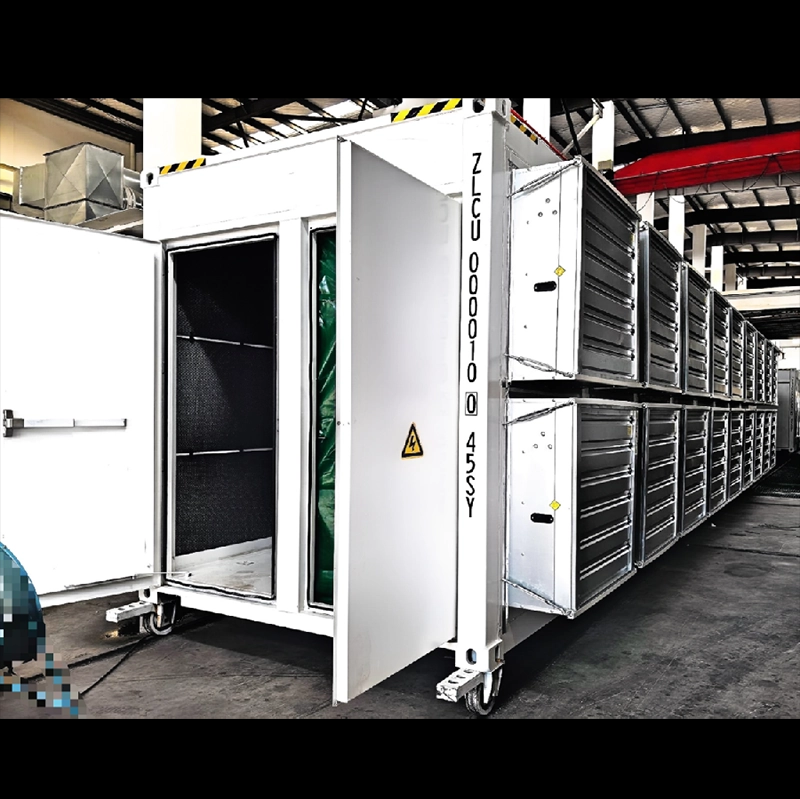
The future of container cooling systems is likely to see several advancements:
- Smart Technology: Integration of IoT devices for real-time monitoring and control of temperature and humidity levels.
- Energy Efficiency: Development of more energy-efficient cooling systems that reduce operational costs and environmental impact.
- Sustainable Practices: Increased focus on sustainable materials and practices in the design and operation of cooling systems.
Container cooling systems are essential for protecting sensitive cargo from heat damage during transportation. By understanding how these systems work and implementing best practices, businesses can ensure the integrity of their shipments, comply with regulations, and ultimately enhance customer satisfaction. As technology continues to evolve, the future of container cooling looks promising, with innovations that will further improve efficiency and reliability.
1. What types of cargo require container cooling systems?
- Cargo such as pharmaceuticals, perishables (fruits, vegetables, dairy), and electronics typically require temperature control to prevent damage.
2. How do I ensure my container cooling system is functioning properly?
- Regular maintenance checks, pre-cooling the container before loading, and monitoring temperature during transit are essential for ensuring proper function.
3. What are the differences between active and passive cooling systems?
- Active cooling systems use mechanical refrigeration to lower temperatures, while passive systems rely on insulation and thermal mass to maintain coolness.
4. What should I do if the temperature in my container rises above the desired level?
- Investigate the cause of the temperature rise, check the cooling system for malfunctions, and consider using backup power solutions if necessary.
5. How can I improve the efficiency of my container cooling system?
- Upgrading insulation, using reflective coatings, and implementing smart monitoring technologies can enhance the efficiency of cooling systems.
Hot Tags: China, Global, OEM, private label, manufacturers, factory, suppliers, manufacturing company