
Shenzhen Cadro Hydraulic Equipment Co.,Ltd
Views: 220 Author: cadrotaillift Publish Time: 2025-12-13 Origin: Site


Content Menu
● Understanding Hydraulic Dock Levelers
>> What is a Hydraulic Dock Leveler?
>> Check Hydraulic Fluid Levels
● Monthly Maintenance Procedures
>> Conduct a Detailed Inspection
● Annual Maintenance Checklist
>> Schedule Professional Inspections
● Troubleshooting Common Issues
● Best Practices for Long-Term Care
>> Invest in Quality Equipment
Hydraulic dock levelers are crucial components in the logistics and shipping industries, providing a seamless transition between trucks and loading docks. Proper maintenance is essential to ensure their longevity and optimal performance. This article outlines essential maintenance tips that can help prolong the life of your hydraulic dock leveler.
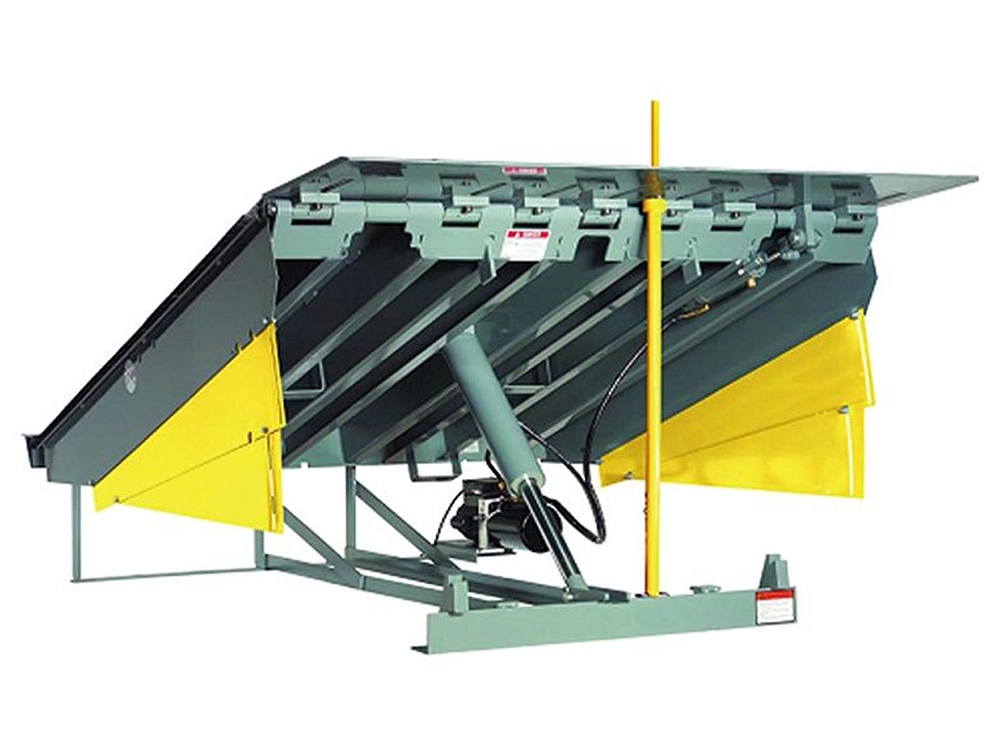
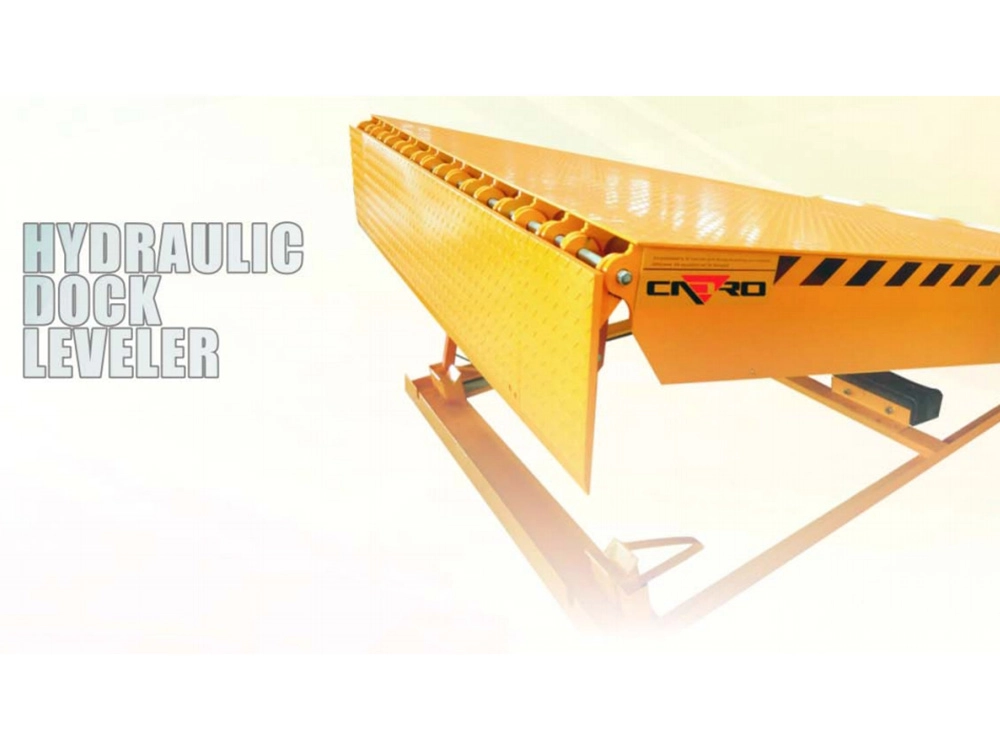
A hydraulic dock leveler is a mechanical device that bridges the gap between a loading dock and a truck or trailer. It uses hydraulic power to raise and lower the platform, allowing for smooth loading and unloading of goods. These levelers are designed to handle heavy loads and are often used in warehouses, distribution centers, and manufacturing facilities.
Regular maintenance of hydraulic dock levelers is vital for several reasons:
- Safety: Well-maintained levelers reduce the risk of accidents and injuries during loading and unloading operations.
- Efficiency: Properly functioning levelers enhance productivity by minimizing downtime.
- Cost Savings: Preventative maintenance can help avoid costly repairs and replacements.
Perform a visual inspection of the dock leveler daily. Look for any signs of wear and tear, such as cracks, rust, or loose components. Ensure that the leveler is clean and free from debris that could obstruct its operation.
Hydraulic fluid is essential for the operation of the leveler. Check the fluid levels daily and top up if necessary. Low fluid levels can lead to inefficient operation and potential damage to the hydraulic system.
Before starting daily operations, test the leveler to ensure it functions correctly. Raise and lower the leveler several times to check for smooth operation. Listen for any unusual noises that may indicate a problem.
Cleaning the dock leveler should be part of your weekly maintenance routine. Remove any dirt, grease, or debris that may have accumulated. Pay special attention to the hydraulic cylinders and the area around the pivot points.
Check the hydraulic seals and hoses for any signs of leaks or damage. Worn seals can lead to hydraulic fluid leaks, which can compromise the leveler's performance. Replace any damaged components immediately to prevent further issues.
Lubrication is crucial for the smooth operation of the dock leveler. Apply lubricant to all moving parts, including hinges, pivot points, and rollers. This will reduce friction and wear, extending the life of the leveler.
Once a month, perform a more thorough inspection of the hydraulic dock leveler. Check the structural integrity of the leveler, including the platform, frame, and support legs. Look for any signs of bending or deformation.
Hydraulic dock levelers are equipped with safety features such as lip extensions and safety straps. Test these features monthly to ensure they are functioning correctly. This is crucial for preventing accidents during loading and unloading.
Inspect the hydraulic system for any signs of wear or damage. Check the hydraulic pump, cylinders, and valves for leaks or corrosion. If you notice any issues, consult a professional for repairs.
At least once a year, schedule a professional inspection of your hydraulic dock leveler. A qualified technician can identify potential issues that may not be visible during routine checks. They can also perform necessary repairs and adjustments.
Over time, hydraulic fluid can become contaminated with dirt and debris. It is essential to replace the hydraulic fluid annually to ensure optimal performance. Follow the manufacturer's guidelines for the type of fluid to use.
As technology advances, safety features for hydraulic dock levelers may also improve. Consider upgrading your leveler with the latest safety features to enhance operational safety and efficiency.
If the dock leveler operates slowly, it may indicate low hydraulic fluid levels or a malfunctioning pump. Check the fluid levels first, and if they are adequate, consult a technician to inspect the pump.
An uneven leveling can be caused by a malfunctioning hydraulic cylinder or a misaligned platform. Inspect the hydraulic system for leaks and ensure that the leveler is properly aligned with the dock.
Unusual noises during operation can indicate worn bearings or lack of lubrication. Lubricate all moving parts and check for any damaged components that may need replacement.
Ensure that all staff members are trained on the proper use of the hydraulic dock leveler. This includes understanding how to operate the leveler safely and recognizing signs of potential issues.
Maintain a log of all maintenance activities, inspections, and repairs performed on the dock leveler. This log can help track the leveler's performance over time and identify patterns that may indicate underlying issues.
When purchasing a hydraulic dock leveler, invest in high-quality equipment from reputable manufacturers. Quality levelers are designed to withstand heavy use and require less maintenance over time.
Maintaining your hydraulic dock leveler is essential for ensuring its longevity and optimal performance. By following these maintenance tips, you can reduce the risk of breakdowns, enhance safety, and improve efficiency in your loading and unloading operations. Regular inspections, cleaning, lubrication, and professional servicing are key components of a successful maintenance program.
1. How often should I perform maintenance on my hydraulic dock leveler?
- Daily visual inspections, weekly cleaning and checks, monthly detailed inspections, and annual professional servicing are recommended.
2. What are the signs that my dock leveler needs repairs?
- Signs include slow operation, uneven leveling, unusual noises, and visible wear or damage.
3. Can I perform maintenance myself, or should I hire a professional?
- Basic maintenance tasks can be performed by trained staff, but professional inspections and repairs are recommended for complex issues.
4. What type of hydraulic fluid should I use?
- Always refer to the manufacturer's guidelines for the appropriate type of hydraulic fluid for your specific dock leveler.
5. How can I improve the safety of my hydraulic dock leveler?
- Regularly test safety features, train staff on proper use, and consider upgrading to the latest safety technology.
Hot Tags: China, Global, OEM, private label, manufacturers, factory, suppliers, manufacturing company