
Shenzhen Cadro Hydraulic Equipment Co.,Ltd
Views: 220 Author: cadrotaillift Publish Time: 2025-12-05 Origin: Site


Content Menu
● Understanding Electric Supporting Systems
>> What Are Electric Supporting Systems?
>> Key Features of Electric Supporting Systems
>> Applications of Electric Supporting Systems
● Exploring Intelligent Hydraulic Supporting Systems
>> What Are Intelligent Hydraulic Supporting Systems?
>> Key Features of Intelligent Hydraulic Supporting Systems
>> Applications of Intelligent Hydraulic Supporting Systems
● Comparing Control and Efficiency
>>> Electric Systems
>>> Intelligent Hydraulic Systems
● Advantages and Disadvantages
>> Advantages of Electric Supporting Systems
>> Disadvantages of Electric Supporting Systems
>> Advantages of Intelligent Hydraulic Supporting Systems
>> Disadvantages of Intelligent Hydraulic Supporting Systems
● Future Trends in Supporting Systems
>> Increased Automation and IoT Integration
>> Sustainability Considerations
In the realm of modern engineering and industrial applications, the choice between electric and intelligent hydraulic supporting systems has become a pivotal decision for many organizations. Both systems offer unique advantages and challenges, particularly in terms of control and efficiency. This article delves into the intricacies of these two technologies, comparing their functionalities, applications, and overall performance.
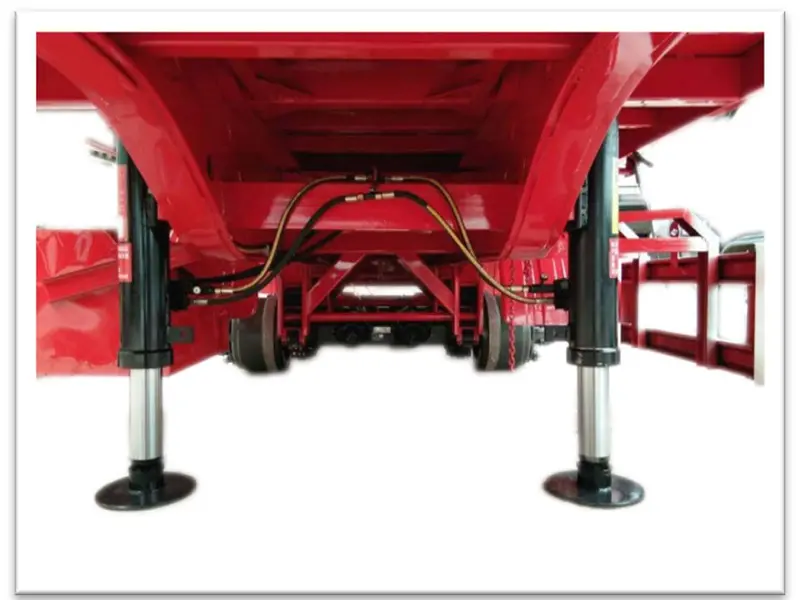
Electric supporting systems utilize electric motors and actuators to provide motion and control. These systems are often employed in applications requiring precise positioning and high responsiveness. Electric systems are known for their simplicity, reduced maintenance needs, and energy efficiency.
1. Precision Control: Electric systems offer high precision in control, making them ideal for applications where accuracy is paramount.
2. Energy Efficiency: These systems typically consume less energy compared to hydraulic systems, especially in applications with variable loads.
3. Low Maintenance: With fewer moving parts and no hydraulic fluid, electric systems require less maintenance, leading to lower operational costs.
4. Compact Design: Electric actuators are often more compact than hydraulic cylinders, allowing for more flexible design options in machinery.
Electric supporting systems are widely used in various industries, including:
- Manufacturing: For automated assembly lines and robotic arms.
- Aerospace: In flight control systems and landing gear mechanisms.
- Automotive: For electric power steering and braking systems.
- Construction: In cranes and lifting equipment.
Intelligent hydraulic supporting systems combine traditional hydraulic technology with advanced control systems, often incorporating sensors and software for enhanced performance. These systems are designed to adapt to varying conditions and loads, providing a level of intelligence that traditional hydraulic systems lack.
1. Adaptive Control: These systems can adjust their performance based on real-time data, optimizing efficiency and response times.
2. Enhanced Load Management: Intelligent hydraulic systems can manage loads more effectively, distributing forces evenly and reducing wear on components.
3. Integration with IoT: Many intelligent hydraulic systems are equipped with IoT capabilities, allowing for remote monitoring and control.
4. Improved Safety Features: With advanced sensors, these systems can detect anomalies and respond to potential failures, enhancing overall safety.
Intelligent hydraulic systems are prevalent in sectors such as:
- Construction: For heavy machinery that requires precise load handling.
- Mining: In equipment that operates under extreme conditions and requires robust control.
- Marine: For stabilizing systems in ships and offshore platforms.
- Agriculture: In precision farming equipment that requires adaptive control for varying terrain.
Electric systems utilize feedback loops and digital controllers to achieve precise control. The response time is typically faster than hydraulic systems, making them suitable for applications requiring rapid adjustments. The simplicity of electric systems also allows for easier programming and integration with other digital systems.
Intelligent hydraulic systems leverage advanced algorithms and real-time data to optimize control. They can adapt to changing conditions, such as varying loads or environmental factors, providing a level of flexibility that electric systems may not match. The integration of sensors allows for continuous monitoring, enabling proactive adjustments to maintain optimal performance.
Electric systems are generally more energy-efficient, particularly in applications with variable loads. They can operate at lower power levels when full capacity is not required, leading to significant energy savings. In contrast, hydraulic systems often consume more energy due to the need to maintain pressure in the hydraulic fluid.
Intelligent hydraulic systems can enhance operational efficiency by optimizing performance based on real-time data. This adaptability can lead to reduced cycle times and improved productivity. However, the complexity of these systems may require more extensive training for operators, potentially offsetting some efficiency gains.
- Lower Initial Costs: Electric systems often have lower upfront costs compared to hydraulic systems.
- Simplicity: Easier to install and maintain due to fewer components.
- Environmentally Friendly: No hydraulic fluids mean less environmental impact.
- Limited Power: May not be suitable for high-load applications where hydraulic systems excel.
- Heat Generation: Electric motors can generate heat, requiring cooling solutions in some applications.
- High Load Capacity: Capable of handling heavy loads and extreme conditions.
- Real-Time Adaptability: Can adjust to changing conditions, improving performance and safety.
- Higher Complexity: More complex systems can lead to higher maintenance costs and require specialized training.
- Fluid Management: Hydraulic fluids can leak, posing environmental and safety risks.
As technology advances, the future may see a rise in hybrid systems that combine the strengths of both electric and hydraulic technologies. These systems could offer the precision of electric systems with the power and adaptability of hydraulic systems, providing a versatile solution for various applications.
The integration of IoT technology into both electric and hydraulic systems is expected to grow. This will enable better monitoring, predictive maintenance, and enhanced control, leading to improved efficiency and reduced downtime.
With increasing focus on sustainability, future supporting systems will likely prioritize energy efficiency and reduced environmental impact. Electric systems may become more prevalent in applications where their advantages can be fully realized, while intelligent hydraulic systems will need to address fluid management and environmental concerns.
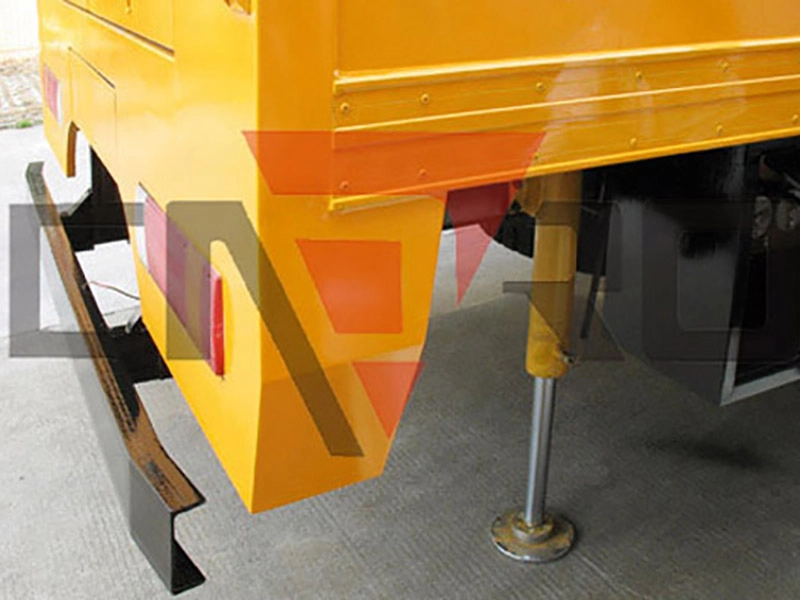
In conclusion, the choice between electric and intelligent hydraulic supporting systems depends on the specific requirements of the application. Electric systems offer precision, energy efficiency, and low maintenance, making them ideal for many modern applications. On the other hand, intelligent hydraulic systems provide adaptability and high load capacity, making them suitable for more demanding environments. As technology continues to evolve, the integration of both systems may pave the way for more efficient and effective solutions in the future.
1. What are the main differences between electric and hydraulic systems?
Electric systems use motors for control, while hydraulic systems use fluid pressure. Electric systems are generally more energy-efficient and require less maintenance.
2. Which system is better for heavy load applications?
Intelligent hydraulic systems are typically better suited for heavy load applications due to their high load capacity and adaptability.
3. Are electric systems environmentally friendly?
Yes, electric systems do not use hydraulic fluids, which can leak and cause environmental issues, making them a more environmentally friendly option.
4. Can intelligent hydraulic systems be integrated with IoT?
Yes, many intelligent hydraulic systems are designed to integrate with IoT technology for enhanced monitoring and control.
5. What is the future of supporting systems?
The future may see a rise in hybrid systems that combine the strengths of both electric and hydraulic technologies, along with increased automation and sustainability efforts.
Hot Tags: China, Global, OEM, private label, manufacturers, factory, suppliers, manufacturing company