
Shenzhen Cadro Hydraulic Equipment Co.,Ltd
Views: 220 Author: cadrotaillift Publish Time: 2025-12-30 Origin: Site


Content Menu
● Understanding Chain-Driven Column Tail Lifts
>> What is a Chain-Driven Column Tail Lift?
>> Benefits of Using Chain-Driven Column Tail Lifts
● Step-by-Step Installation Guide
>> Step 1: Preparing the Vehicle
>> Step 2: Mounting the Tail Lift
>> Step 3: Installing the Hydraulic System
>> Step 4: Electrical Connections
>> Step 5: Final Adjustments and Testing
● Tips for Optimal Performance
● Common Issues and Troubleshooting
>> Problem: Lift Won't Operate
>> 1. How often should I perform maintenance on my tail lift?
>> 2. Can I install a tail lift myself, or should I hire a professional?
>> 3. What weight capacity should I consider when choosing a tail lift?
>> 4. Are there any specific safety regulations for using tail lifts?
>> 5. What should I do if my tail lift is not functioning properly?
Installing a chain-driven column tail lift can significantly enhance the efficiency of loading and unloading operations in various industries. This article provides a comprehensive guide to the installation process, tips for optimal performance, and answers to common questions regarding tail lifts.
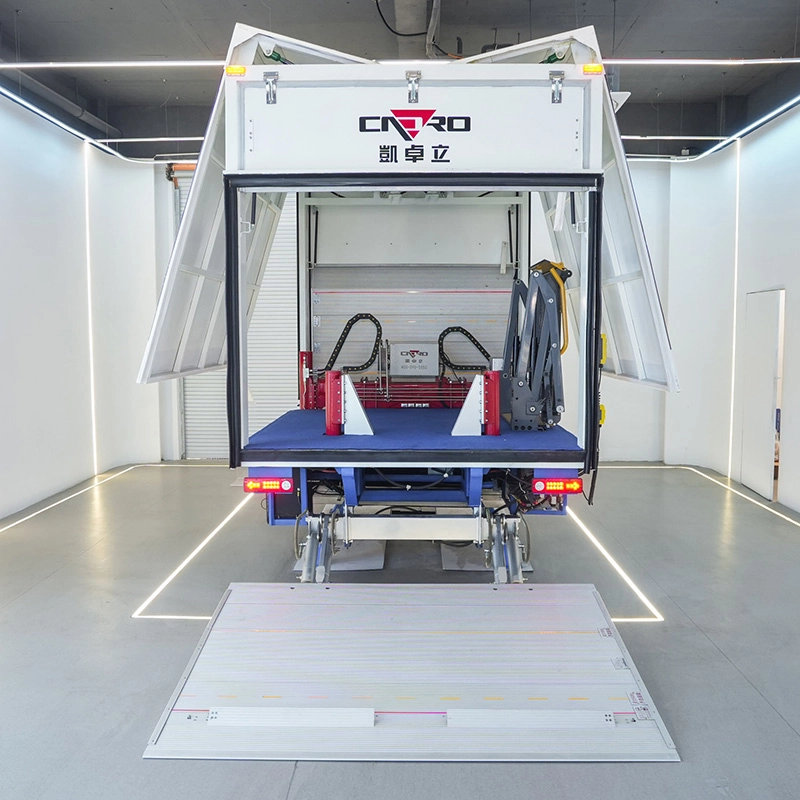
A chain-driven column tail lift is a type of hydraulic lift that is mounted at the rear of a vehicle. It is designed to assist in the loading and unloading of goods, particularly heavy or bulky items. The lift operates using a chain mechanism that provides stability and strength, making it suitable for various applications, including delivery trucks, vans, and trailers.
1. Increased Efficiency: Tail lifts reduce the time and effort required for loading and unloading, allowing for quicker turnaround times.
2. Enhanced Safety: By minimizing manual handling, tail lifts help reduce the risk of injuries associated with lifting heavy items.
3. Versatility: These lifts can accommodate a wide range of goods, making them ideal for various industries, including logistics, retail, and construction.
Before starting the installation process, ensure you have the following tools and equipment:
- Wrenches and Sockets: For tightening bolts and securing components.
- Drill and Drill Bits: For making necessary holes in the vehicle.
- Level: To ensure the lift is installed evenly.
- Measuring Tape: For accurate measurements during installation.
- Safety Gear: Including gloves and goggles to protect yourself during the installation process.
Safety should be your top priority during installation. Follow these precautions:
- Read the Manufacturer's Instructions: Always refer to the specific guidelines provided by the manufacturer for your tail lift model.
- Work in a Well-Ventilated Area: Ensure proper ventilation if you are working with any chemicals or adhesives.
- Use Proper Lifting Techniques: When handling heavy components, use appropriate lifting techniques to avoid injury.
1. Clean the Installation Area: Remove any debris or obstructions from the rear of the vehicle.
2. Measure and Mark: Use a measuring tape to determine the correct position for the tail lift. Mark the spots where you will drill holes for mounting.
1. Position the Lift: Align the tail lift with the marked spots on the vehicle.
2. Drill Holes: Carefully drill holes into the vehicle's frame, ensuring they are aligned with the lift's mounting brackets.
3. Secure the Lift: Use bolts and nuts to secure the lift to the vehicle. Ensure that all connections are tight and secure.
1. Connect the Hydraulic Lines: Follow the manufacturer's instructions to connect the hydraulic lines to the lift.
2. Check for Leaks: After connecting the lines, check for any leaks by testing the lift's operation.
1. Wiring the Control System: Connect the control system according to the manufacturer's specifications. Ensure all connections are secure and insulated.
2. Test the Electrical System: Before finalizing the installation, test the electrical system to ensure the lift operates correctly.
1. Level the Lift: Use a level to ensure the lift is installed evenly. Make any necessary adjustments.
2. Test the Lift: Operate the lift several times to ensure it functions smoothly. Check for any unusual noises or movements.
To ensure your chain-driven column tail lift operates at peak performance, regular maintenance is essential. Here are some maintenance tips:
- Inspect Hydraulic Fluid Levels: Regularly check and refill hydraulic fluid as needed.
- Lubricate Moving Parts: Keep all moving parts well-lubricated to prevent wear and tear.
- Check Electrical Connections: Periodically inspect electrical connections for signs of wear or corrosion.
Proper training for operators is crucial for the safe and efficient use of tail lifts. Consider the following:
- Provide Comprehensive Training: Ensure all operators are trained on the specific model of the tail lift and understand its features and limitations.
- Emphasize Safety Protocols: Reinforce the importance of safety protocols during loading and unloading operations.
Keep track of the lift's performance to identify any potential issues early. Consider implementing a monitoring system that tracks usage patterns and alerts you to any irregularities.
Solution: Check the power supply and ensure all electrical connections are secure. Inspect the hydraulic system for leaks or blockages.
Solution: Ensure the lift is level and that all components are securely fastened. Check for any obstructions that may be causing uneven lifting.
Solution: Inspect the lift for any loose components or lack of lubrication. Address any issues promptly to prevent further damage.

Regular maintenance should be performed at least once every six months, or more frequently if the lift is used heavily.
While it is possible to install a tail lift yourself, hiring a professional is recommended to ensure proper installation and safety.
Consider the maximum weight you will be lifting regularly. Choose a tail lift with a capacity that exceeds your typical load to ensure safety and performance.
Yes, safety regulations may vary by region. Always check local regulations and ensure compliance with safety standards.
If your tail lift is not functioning properly, consult the manufacturer's troubleshooting guide. If issues persist, contact a professional for assistance.
Installing a chain-driven column tail lift can greatly enhance your loading and unloading operations. By following the steps outlined in this guide and adhering to maintenance and safety protocols, you can ensure optimal performance and longevity of your tail lift. Remember to keep safety as your top priority and invest in proper training for operators to maximize efficiency.
Hot Tags: China, Global, OEM, private label, manufacturers, factory, suppliers, manufacturing company