
Shenzhen Cadro Hydraulic Equipment Co.,Ltd
Views: 220 Author: cadrotaillift Publish Time: 2025-12-05 Origin: Site


Content Menu
● Understanding Intelligent Hydraulic Systems
>> What Are Intelligent Hydraulic Systems?
>> Key Components of Intelligent Hydraulic Systems
● Best Practices in Design and Implementation
>> 1. Incorporating Advanced Sensor Technology
>> 2. Emphasizing Modular Design
>> 3. Implementing Predictive Maintenance Strategies
>> 1. Routine Inspections and Monitoring
>> 3. Training and Safety Protocols
● Future Trends in Intelligent Hydraulic Systems
>> 1. Integration of Artificial Intelligence
>> 2. Sustainability Initiatives
Hydraulic systems are integral to various industries, providing the necessary power and support for heavy machinery and equipment. As technology advances, the demand for intelligent hydraulic systems has surged, leading to innovations that enhance efficiency, safety, and sustainability. This article explores best practices from leading suppliers in the intelligent hydraulic supporting system sector, focusing on design, implementation, maintenance, and future trends.
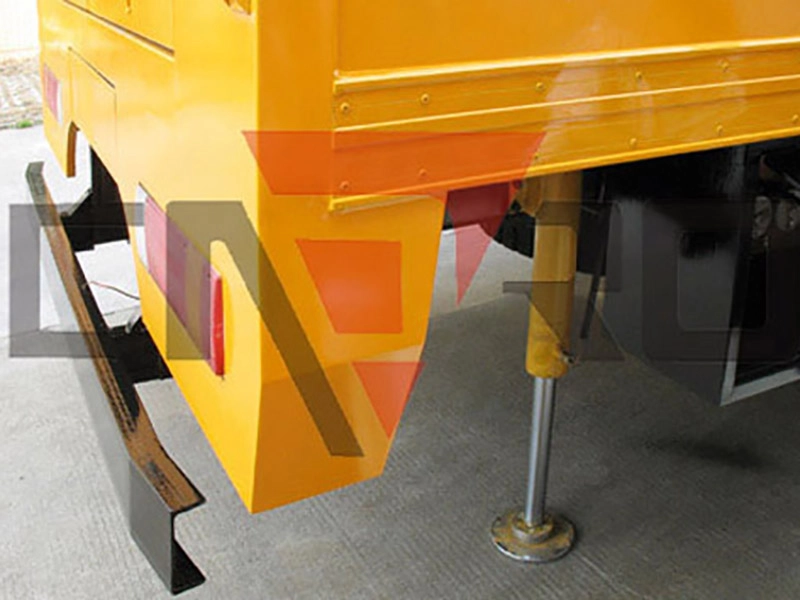
Intelligent hydraulic systems integrate advanced technologies such as sensors, data analytics, and automation to improve performance and reliability. These systems are designed to monitor and control hydraulic functions in real-time, allowing for enhanced precision and efficiency in operations.
1. Sensors: These devices collect data on pressure, temperature, and fluid levels, providing critical insights into system performance.
2. Control Units: Advanced control units process data from sensors and make real-time adjustments to optimize system performance.
3. Data Analytics: By analyzing historical and real-time data, operators can identify trends, predict failures, and schedule maintenance proactively.
4. Connectivity: IoT capabilities allow for remote monitoring and control, enabling operators to manage systems from anywhere.
Utilizing high-quality sensors is crucial for the effectiveness of intelligent hydraulic systems. Suppliers should focus on:
- Durability: Sensors must withstand harsh industrial environments.
- Accuracy: High precision in measurements ensures reliable data for decision-making.
- Real-Time Data Transmission: Wireless sensors can provide immediate feedback, enhancing responsiveness.
A modular design approach allows for flexibility and scalability in hydraulic systems. This practice enables:
- Easier Upgrades: Components can be replaced or upgraded without overhauling the entire system.
- Customization: Systems can be tailored to specific operational needs, improving efficiency.
Predictive maintenance leverages data analytics to forecast potential failures before they occur. Best practices include:
- Regular Data Analysis: Continuously monitor system performance to identify anomalies.
- Scheduled Maintenance: Use insights from data to plan maintenance activities, reducing downtime and costs.
Regular inspections are essential to ensure the longevity and efficiency of hydraulic systems. Key practices include:
- Visual Checks: Look for leaks, wear, and unusual noises.
- Performance Monitoring: Use sensors to track system performance metrics.
The hydraulic fluid is the lifeblood of any hydraulic system. Best practices for fluid management include:
- Using Quality Fluids: Ensure that the hydraulic fluid meets the specifications required for optimal performance.
- Regular Fluid Changes: Change fluids according to manufacturer recommendations to prevent contamination and degradation.
Training personnel on the proper operation and maintenance of hydraulic systems is vital. This includes:
- Safety Training: Educate staff on safety protocols to prevent accidents.
- Operational Training: Ensure operators understand how to use the system effectively and recognize warning signs of potential issues.
AI is set to revolutionize hydraulic systems by enabling:
- Enhanced Decision-Making: AI algorithms can analyze vast amounts of data to optimize system performance.
- Autonomous Operations: Future systems may operate with minimal human intervention, increasing efficiency and reducing labor costs.
As industries move towards greener practices, hydraulic suppliers are focusing on:
- Energy Efficiency: Developing systems that consume less energy while maintaining performance.
- Recyclable Materials: Using sustainable materials in the manufacturing of hydraulic components.
The future of hydraulic systems will see increased connectivity through:
- IoT Integration: Enhanced connectivity will allow for better data sharing and remote management.
- Cloud Computing: Storing data in the cloud will facilitate easier access and analysis, improving operational efficiency.
The evolution of intelligent hydraulic systems is driven by technological advancements and the need for greater efficiency and sustainability. By adopting best practices in design, implementation, and maintenance, suppliers can enhance the performance and reliability of hydraulic systems. As the industry continues to innovate, the integration of AI, sustainability initiatives, and advanced connectivity will shape the future of hydraulic technology.
1. What are the main benefits of intelligent hydraulic systems?
Intelligent hydraulic systems offer improved efficiency, enhanced safety, predictive maintenance capabilities, and reduced operational costs.
2. How can predictive maintenance save costs?
By anticipating failures before they occur, predictive maintenance minimizes downtime and reduces the need for emergency repairs, leading to significant cost savings.
3. What role do sensors play in hydraulic systems?
Sensors monitor critical parameters such as pressure and temperature, providing real-time data that helps optimize system performance and prevent failures.
4. Why is modular design important in hydraulic systems?
Modular design allows for easy upgrades and customization, enabling systems to adapt to changing operational needs without complete overhauls.
5. How is AI transforming hydraulic systems?
AI enhances decision-making, enables autonomous operations, and improves predictive maintenance by analyzing large datasets for insights.
Hot Tags: China, Global, OEM, private label, manufacturers, factory, suppliers, manufacturing company