
Shenzhen Cadro Hydraulic Equipment Co.,Ltd
Views: 220 Author: Site Editor Publish Time: 2025-12-23 Origin: Site


Content Menu
● Understanding Air Bag Dock Levelers
>> What Are Air Bag Dock Levelers?
● Energy Efficiency of Air Bag Dock Levelers
>> The Energy Consumption Debate
● Myths About Air Bag Dock Levelers
>> Myth 1: Air Bag Dock Levelers Are Always More Expensive
>> Myth 2: They Are Not Suitable for Heavy Loads
>> Myth 3: Air Bag Systems Are Prone to Failure
● Benefits of Air Bag Dock Levelers
>> Improved Loading Efficiency
● Challenges and Considerations
>> Environmental Considerations
In the world of logistics and warehousing, efficiency is paramount. One of the key components that contribute to operational efficiency is the dock leveler. Among the various types of dock levelers available, air bag dock levelers have gained popularity due to their unique design and functionality. However, a common question arises: Are air bag dock levelers energy efficient? In this article, we will explore the facts and myths surrounding the energy efficiency of air bag dock levelers, providing a comprehensive understanding of their benefits and drawbacks.
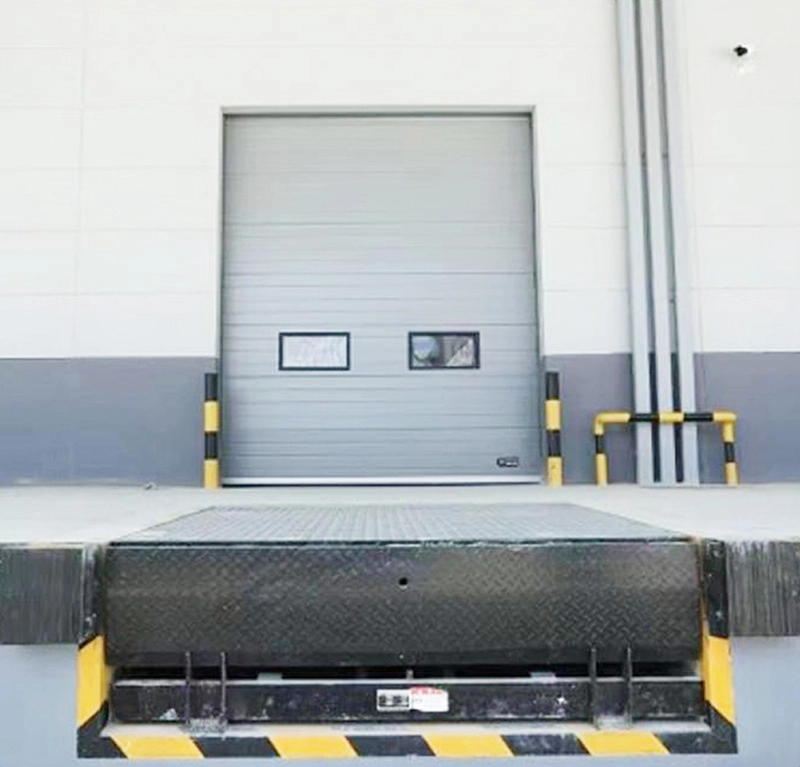
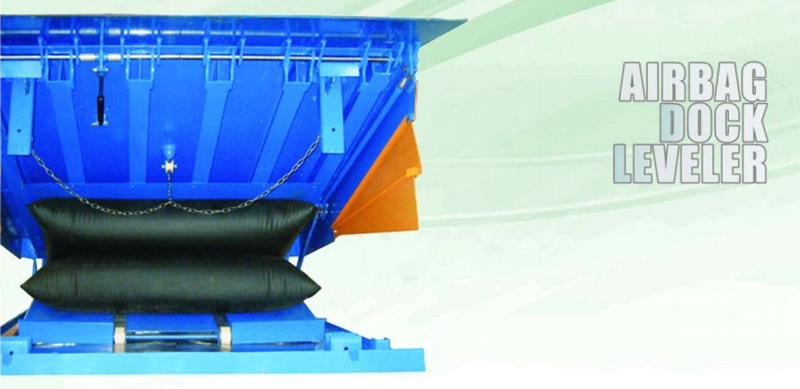
Air bag dock levelers are specialized equipment used to bridge the gap between a loading dock and a truck or trailer. They utilize inflatable air bags to raise and lower the platform, allowing for smooth and safe loading and unloading of goods. This type of leveler is particularly beneficial in environments where there are frequent changes in truck heights, as they can easily adjust to varying levels.
The operation of air bag dock levelers is relatively straightforward. When a truck backs up to the dock, the leveler is activated, and air is pumped into the bags, raising the platform to the required height. Once the truck is in position, the leveler can be lowered by releasing the air from the bags. This mechanism allows for quick adjustments and minimizes the risk of accidents during loading and unloading.
One of the primary concerns regarding air bag dock levelers is their energy consumption. Critics argue that the air compressor required to inflate the bags can lead to increased energy costs. However, proponents of air bag dock levelers highlight their efficiency in comparison to traditional mechanical dock levelers, which often require more energy to operate.
When comparing the energy use of air bag dock levelers to other types, it is essential to consider several factors:
- Operational Efficiency: Air bag dock levelers can operate more quickly than mechanical systems, reducing the time trucks spend idling at the dock. This can lead to lower fuel consumption and reduced emissions.
- Maintenance Requirements: Air bag systems typically require less maintenance than mechanical systems, which can lead to lower operational costs over time.
- Energy Recovery: Some modern air bag systems are designed to recover energy during operation, further enhancing their efficiency.
In real-world applications, many companies have reported significant energy savings after switching to air bag dock levelers. For instance, warehouses that handle a high volume of shipments often find that the quick operation of air bag systems allows for faster turnaround times, ultimately leading to reduced energy costs associated with prolonged truck idling.
While the initial investment for air bag dock levelers may be higher than traditional options, the long-term savings in energy and maintenance can offset these costs. Many businesses find that the efficiency gains and reduced operational costs make air bag levelers a more economical choice over time.
Another common misconception is that air bag dock levelers cannot handle heavy loads. In reality, many air bag systems are designed to support substantial weights, making them suitable for a variety of applications, including those involving heavy machinery and large shipments.
While any mechanical system can experience failures, air bag dock levelers are built with durability in mind. With proper maintenance, these systems can provide reliable service for many years. Additionally, advancements in technology have led to improved materials and designs that enhance the longevity of air bag systems.
Air bag dock levelers come equipped with various safety features that help prevent accidents during loading and unloading. These include:
- Automatic Leveling: The ability to automatically adjust to the height of the truck reduces the risk of accidents caused by misalignment.
- Non-Slip Surfaces: Many air bag levelers feature non-slip surfaces that provide better traction for workers and equipment.
The quick operation of air bag dock levelers allows for faster loading and unloading processes. This efficiency can lead to:
- Reduced Labor Costs: With faster turnaround times, fewer workers are needed to manage the loading process, leading to lower labor costs.
- Increased Throughput: Businesses can handle more shipments in a shorter amount of time, improving overall productivity.
Air bag dock levelers are versatile and can be used in various settings, including:
- Warehouses: Ideal for environments with frequent truck changes.
- Distribution Centers: Enhance efficiency in high-volume shipping operations.
- Manufacturing Facilities: Facilitate the movement of materials and products.
While air bag dock levelers offer numerous benefits, the initial investment can be a barrier for some businesses. It is essential to conduct a cost-benefit analysis to determine if the long-term savings justify the upfront costs.
Although air bag systems generally require less maintenance than mechanical systems, they are not maintenance-free. Regular inspections and maintenance are necessary to ensure optimal performance and longevity.
As businesses increasingly focus on sustainability, the energy efficiency of dock levelers becomes a critical factor. Air bag dock levelers can contribute to a company's sustainability goals by reducing energy consumption and emissions.
In conclusion, air bag dock levelers offer a range of benefits that can enhance energy efficiency in logistics and warehousing operations. While there are myths surrounding their cost and reliability, the facts demonstrate that these systems can provide significant long-term savings and operational advantages. By understanding the true energy efficiency of air bag dock levelers, businesses can make informed decisions that align with their operational goals and sustainability initiatives.
1. Are air bag dock levelers more energy-efficient than mechanical ones?
Yes, air bag dock levelers often consume less energy due to their quick operation and lower maintenance needs.
2. Can air bag dock levelers handle heavy loads?
Yes, many air bag systems are designed to support substantial weights, making them suitable for heavy applications.
3. What maintenance do air bag dock levelers require?
Regular inspections and maintenance are necessary to ensure optimal performance, including checking for leaks and ensuring the air compressor is functioning correctly.
4. Do air bag dock levelers have safety features?
Yes, they often include automatic leveling and non-slip surfaces to enhance safety during loading and unloading.
5. Is the initial investment in air bag dock levelers worth it?
While the upfront cost may be higher, the long-term savings in energy and maintenance can make them a more economical choice.
Hot Tags: China, Global, OEM, private label, manufacturers, factory, suppliers, manufacturing company