
Shenzhen Cadro Hydraulic Equipment Co.,Ltd
Views: 220 Author: cadrotaillift Publish Time: 2025-12-13 Origin: Site


Content Menu
● Understanding Hydraulic Wheelchair Lifts
● Advantages of Hydraulic Wheelchair Lifts
>> 2. Smooth and Controlled Operation
>> 3. Durability and Longevity
● Comparing Hydraulic and Electric Wheelchair Lifts
● Maintenance of Hydraulic Wheelchair Lifts
In today's world, accessibility is a fundamental right, and hydraulic wheelchair lifts play a crucial role in ensuring that individuals with mobility challenges can navigate various environments safely and efficiently. This article explores the advantages of hydraulic wheelchair lifts, particularly in heavy-duty applications, and why they are often the preferred choice for both commercial and residential settings.
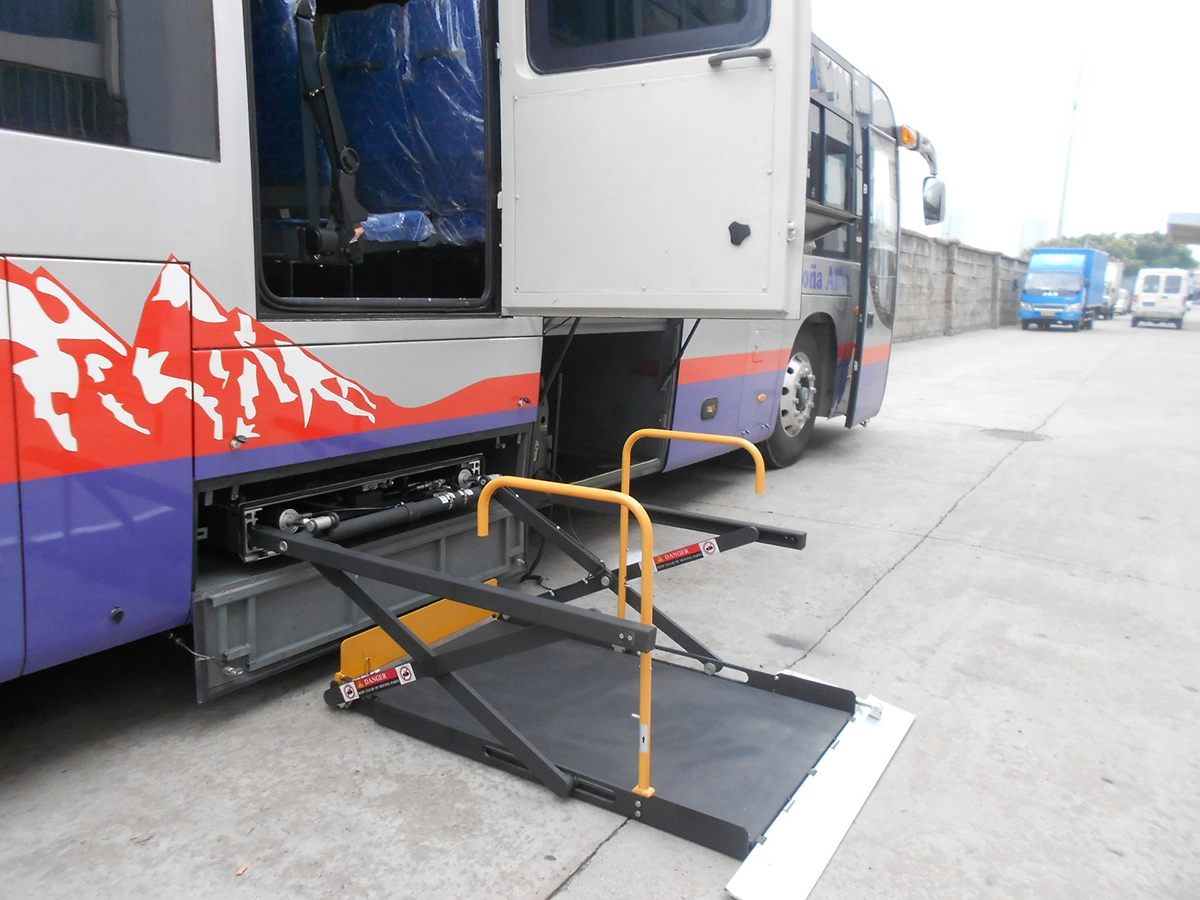
Hydraulic wheelchair lifts are mechanical devices that utilize hydraulic power to lift and lower individuals in wheelchairs. These lifts are designed to accommodate significant weight capacities, making them ideal for heavy-duty applications. The hydraulic system operates by using fluid pressure to create movement, allowing for smooth and controlled lifting.
At the core of a hydraulic wheelchair lift is a hydraulic system that consists of several key components:
- Hydraulic Cylinder: This is the main component that converts hydraulic fluid pressure into mechanical force, enabling the lift to move.
- Pump: The pump circulates hydraulic fluid, creating the pressure needed to lift the platform.
- Reservoir: This component stores hydraulic fluid and maintains the system's pressure.
- Control Valve: It regulates the flow of hydraulic fluid, controlling the speed and direction of the lift.
When the lift is activated, hydraulic fluid is pumped from the reservoir into the cylinder, creating the pressure that raises the platform. Releasing the fluid allows the platform to descend smoothly.
Hydraulic wheelchair lifts offer numerous benefits, particularly in heavy-duty applications. Here are some of the key advantages:
One of the most significant advantages of hydraulic wheelchair lifts is their ability to support heavy loads. Many hydraulic lifts can accommodate weights exceeding 500 pounds, making them suitable for bariatric users or heavy power wheelchairs. This high weight capacity is essential in commercial settings where frequent use and heavy loads are common.
Hydraulic systems provide a smooth and steady lifting experience. Unlike electric lifts, which may jerk or jolt during operation, hydraulic lifts offer a gentle start and stop, ensuring a comfortable ride for users. This smooth operation is particularly important for individuals with mobility challenges, as it minimizes the risk of accidents or discomfort.
Hydraulic wheelchair lifts are built to withstand heavy use and harsh conditions. The robust design of hydraulic systems ensures that they can handle frequent cycles without significant wear and tear. With proper maintenance, hydraulic components can last for many years, making them a cost-effective solution in the long run.
Safety is a top priority when it comes to wheelchair transportation. Hydraulic lifts are equipped with various safety mechanisms, including:
- Overload Protection: Prevents the lift from operating if the weight exceeds its capacity.
- Emergency Stop Buttons: Allows users to halt the lift in case of an emergency.
- Secure Locking Systems: Ensures that the lift remains stable during operation.
These features provide peace of mind for both users and caregivers, making hydraulic lifts a reliable choice.
Hydraulic wheelchair lifts are versatile and can be used in a variety of settings, including:
- Commercial Buildings: Ideal for businesses that need to accommodate customers with mobility challenges.
- Residential Properties: Perfect for homes that require accessibility solutions for family members or guests.
- Public Spaces: Essential for ensuring compliance with accessibility regulations in parks, schools, and government buildings.
Their adaptability makes them suitable for both indoor and outdoor use, enhancing accessibility in various environments.
While both hydraulic and electric wheelchair lifts serve the same purpose, they have distinct differences that may influence a user's choice.
- Pros:
- Higher weight capacity.
- Smoother operation under heavy loads.
- More durable for frequent use.
- Cons:
- Requires regular maintenance of hydraulic fluid and components.
- Potential for fluid leaks if not properly maintained.
- Pros:
- Generally easier to install and maintain.
- Quieter operation, making them suitable for residential use.
- Cons:
- Lower weight capacity compared to hydraulic lifts.
- May not perform as well under heavy loads.
For heavy-duty applications, hydraulic lifts are often the better choice due to their superior performance and durability.
To ensure the longevity and reliability of hydraulic wheelchair lifts, regular maintenance is essential. Here are some key maintenance tips:
Hydraulic fluid levels should be checked regularly to ensure optimal performance. Low fluid levels can lead to decreased lifting capacity and potential damage to the system.
Routine inspections of the hydraulic cylinder, pump, and control valves are crucial. Look for signs of wear, leaks, or damage, and address any issues promptly.
Engaging a professional for periodic servicing can help identify potential problems before they become significant issues. Regular servicing can extend the life of the lift and ensure it operates safely.
Hydraulic wheelchair lifts are an excellent choice for heavy-duty applications due to their high weight capacity, smooth operation, and durability. They provide essential accessibility solutions in various settings, enhancing the quality of life for individuals with mobility challenges. By understanding the advantages and maintenance requirements of hydraulic lifts, users can make informed decisions that best meet their needs.
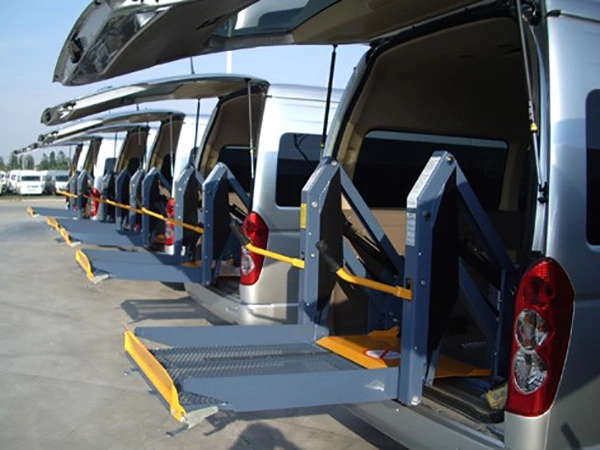
1. What is the weight capacity of hydraulic wheelchair lifts?
Hydraulic wheelchair lifts typically support weights exceeding 500 pounds, making them suitable for bariatric users and heavy power wheelchairs.
2. How do hydraulic wheelchair lifts operate?
They operate using hydraulic fluid pressure, which is pumped into a cylinder to create the lifting force needed to raise and lower the platform.
3. What safety features do hydraulic wheelchair lifts have?
Common safety features include overload protection, emergency stop buttons, and secure locking systems to ensure safe operation.
4. How often should hydraulic wheelchair lifts be maintained?
Regular maintenance is recommended, including fluid checks and inspections of components, to ensure optimal performance and longevity.
5. Are hydraulic wheelchair lifts suitable for residential use?
Yes, hydraulic wheelchair lifts are versatile and can be used in residential properties to enhance accessibility for family members and guests.
Hot Tags: China, Global, OEM, private label, manufacturers, factory, suppliers, manufacturing company