
Shenzhen Cadro Hydraulic Equipment Co.,Ltd
Views: 220 Author: cadrotaillift Publish Time: 2025-12-23 Origin: Site


Content Menu
● Understanding Integrated Wheelchair Lift Systems
>> What Are Integrated Wheelchair Lift Systems?
● Benefits of Integrated Wheelchair Lift Systems
>> Compliance with Regulations
● Design Considerations for Integrated Wheelchair Lift Systems
>> Space and Weight Constraints
● The Impact of Integrated Wheelchair Lift Systems on Society
In recent years, the importance of accessibility in transportation has gained significant attention. Integrated wheelchair lift systems for special vehicles have emerged as a crucial solution to ensure that individuals with mobility challenges can travel safely and comfortably. This article explores the various benefits of these systems, their design considerations, and their impact on society.

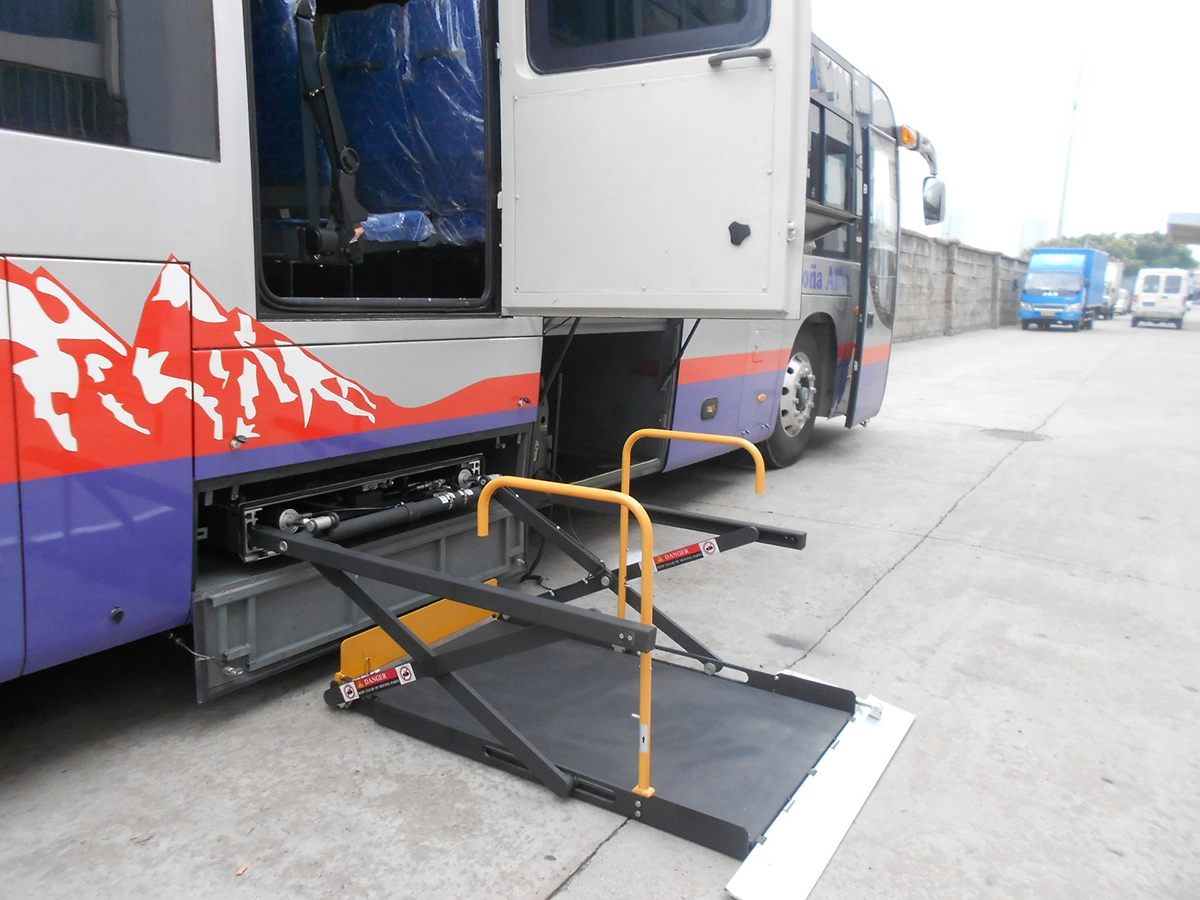
Integrated wheelchair lift systems are mechanical devices designed to assist individuals in wheelchairs or with limited mobility in boarding and alighting from vehicles. These systems are typically built into the vehicle's structure, allowing for seamless operation and enhanced safety. They can be found in various types of special vehicles, including buses, vans, and taxis.
These lift systems operate using hydraulic or electric mechanisms that raise and lower the wheelchair to the vehicle's floor level. The design ensures that the lift is stable and secure during operation, providing a smooth transition for users. Many systems also include safety features such as automatic locking mechanisms and non-slip surfaces to prevent accidents.
One of the primary benefits of integrated wheelchair lift systems is the enhanced accessibility they provide. These systems allow individuals with mobility impairments to access public and private transportation without assistance. This independence is crucial for fostering a sense of autonomy and dignity among users.
Safety is a paramount concern for individuals with mobility challenges. Integrated wheelchair lifts are designed with safety features that minimize the risk of accidents. For instance, many systems include sensors that detect obstacles, ensuring that the lift does not operate if there is an obstruction. Additionally, the secure locking mechanisms prevent the wheelchair from moving during transit.
Traveling can be uncomfortable for individuals with mobility issues, especially when transferring between a wheelchair and a vehicle seat. Integrated wheelchair lift systems eliminate the need for such transfers, allowing users to remain in their wheelchairs throughout the journey. This not only enhances comfort but also reduces the risk of injury associated with lifting and transferring.
While the initial investment in integrated wheelchair lift systems may be significant, they can lead to long-term cost savings. By providing accessible transportation, these systems can reduce the need for specialized transport services, which are often more expensive. Furthermore, they can decrease the likelihood of accidents and injuries, leading to lower healthcare costs.
Many countries have implemented regulations requiring public transportation systems to be accessible to individuals with disabilities. Integrated wheelchair lift systems help vehicle operators comply with these regulations, avoiding potential fines and legal issues. By investing in these systems, transportation providers demonstrate their commitment to inclusivity and accessibility.
When designing integrated wheelchair lift systems, manufacturers must consider the space and weight constraints of the vehicle. The lift must be compact enough to fit within the vehicle's design while still providing sufficient capacity to accommodate various wheelchair sizes. Additionally, the weight of the lift should not compromise the vehicle's overall performance.
The ease of use is a critical factor in the design of integrated wheelchair lift systems. Controls should be intuitive and accessible, allowing users to operate the lift independently. Many systems feature remote controls or automatic operation to enhance user experience.
Durability is essential for integrated wheelchair lift systems, as they are subjected to frequent use and varying weather conditions. Manufacturers must use high-quality materials that can withstand wear and tear. Regular maintenance is also crucial to ensure the lift operates safely and efficiently over time.
Integrated wheelchair lift systems play a vital role in promoting inclusivity within society. By providing accessible transportation options, these systems enable individuals with disabilities to participate fully in community activities, work, and social events. This inclusivity fosters a more diverse and equitable society.
Accessible transportation can have significant economic benefits. When individuals with disabilities can travel independently, they are more likely to seek employment and contribute to the economy. This increased participation can lead to a more robust workforce and reduced reliance on social services.
The ability to travel freely and independently greatly enhances the quality of life for individuals with mobility challenges. Integrated wheelchair lift systems empower users to engage in everyday activities, such as shopping, attending events, and visiting friends and family. This increased mobility can lead to improved mental health and overall well-being.
Despite the benefits of integrated wheelchair lift systems, public awareness remains a challenge. Many individuals are unaware of the availability of these systems or how they work. Educational campaigns can help raise awareness and promote the importance of accessible transportation.
The cost of implementing integrated wheelchair lift systems can be a barrier for some transportation providers. However, various grants and funding opportunities are available to assist with these costs. Governments and non-profit organizations can play a crucial role in providing financial support for accessible transportation initiatives.
As technology continues to evolve, so do the capabilities of integrated wheelchair lift systems. Innovations such as smart sensors and automated systems can enhance the functionality and safety of these lifts. Staying updated with technological advancements is essential for manufacturers and transportation providers.
Integrated wheelchair lift systems for special vehicles offer numerous benefits, including enhanced accessibility, improved safety, increased comfort, cost-effectiveness, and compliance with regulations. These systems not only empower individuals with mobility challenges but also promote inclusivity and economic participation within society. As we continue to advocate for accessible transportation, it is essential to recognize the impact of these systems on the lives of many.
1. What types of vehicles can be equipped with integrated wheelchair lift systems?
- Integrated wheelchair lift systems can be installed in various vehicles, including buses, vans, and taxis, designed for public and private transportation.
2. How do integrated wheelchair lift systems enhance safety?
- These systems include safety features such as obstacle detection sensors and secure locking mechanisms to prevent accidents during operation.
3. Are integrated wheelchair lift systems expensive to maintain?
- While there may be initial costs, regular maintenance is essential to ensure safety and efficiency, and it can lead to long-term savings by reducing the need for specialized transport services.
4. How do integrated wheelchair lift systems promote inclusivity?
- By providing accessible transportation options, these systems enable individuals with disabilities to participate fully in community activities and social events.
5. What advancements are being made in wheelchair lift technology?
- Innovations such as smart sensors and automated systems are enhancing the functionality and safety of integrated wheelchair lift systems.
Hot Tags: China, Global, OEM, private label, manufacturers, factory, suppliers, manufacturing company