
Shenzhen Cadro Hydraulic Equipment Co.,Ltd
Views: 220 Author: cadrotaillift Publish Time: 2025-12-07 Origin: Site


Content Menu
● Understanding Wheelchair Lifts
● Choosing the Right Wheelchair Lift
>> Researching Brands and Models
● Step-by-Step Installation Process
>> Step 1: Read the Manufacturer's Instructions
>> Step 2: Prepare the Vehicle
>> Step 4: Install the Mounting Brackets
>> Step 6: Connect the Electrical System
● Maintenance of Your Wheelchair Lift
Installing a wheelchair lift in your vehicle can significantly enhance mobility for individuals who use wheelchairs. This guide will walk you through the entire process, from selecting the right lift to the installation and maintenance of the lift.
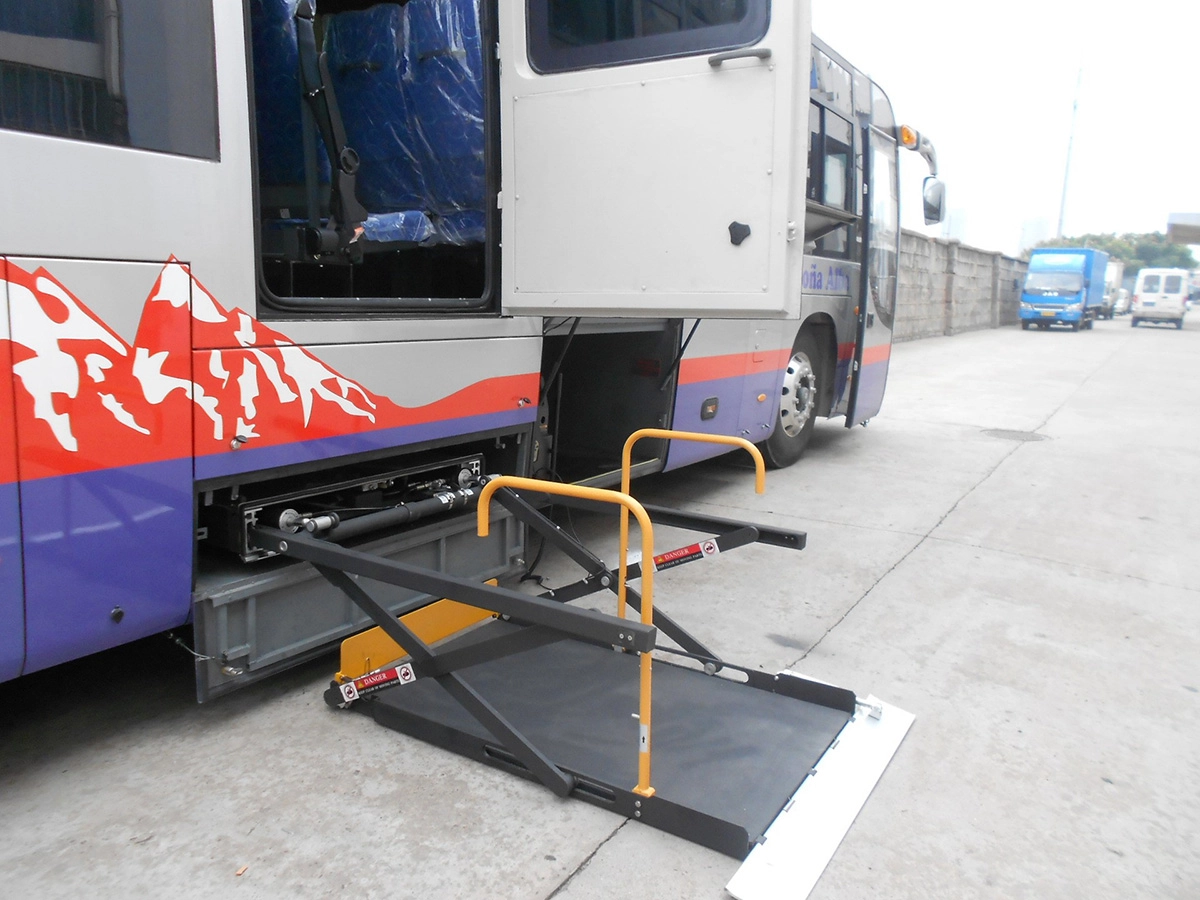
A wheelchair lift is a device designed to assist individuals in moving from ground level to the height of a vehicle. These lifts can be installed in various types of vehicles, including vans, buses, and trucks, making them essential for enhancing accessibility.
There are several types of wheelchair lifts available, including:
- Platform Lifts: These lifts provide a flat surface for the wheelchair to roll onto and are typically used in vans and buses.
- Foldable Lifts: These are compact and can be folded away when not in use, making them ideal for smaller vehicles.
- Vertical Lifts: Designed for larger vehicles, these lifts can raise a wheelchair vertically to the height of the vehicle.
Before purchasing a wheelchair lift, consider the following factors:
- Vehicle Type: Ensure the lift is compatible with your vehicle's make and model.
- Weight Capacity: Check the lift's weight limit to ensure it can accommodate the user and the wheelchair.
- Space Requirements: Measure the available space in your vehicle to ensure the lift will fit properly.
Once you have assessed your needs, research different brands and models. Look for reviews and testimonials from other users to gauge reliability and performance.
Before starting the installation, gather the following tools and materials:
- Tools: Wrenches, screwdrivers, a drill, and a level.
- Materials: The wheelchair lift, mounting brackets, bolts, and any additional hardware specified by the manufacturer.
Safety is paramount during installation. Ensure you:
- Work in a well-ventilated area.
- Wear safety goggles and gloves.
- Have a second person assist you, especially when lifting heavy components.
Before beginning the installation, thoroughly read the manufacturer's instructions. Each lift may have specific requirements and steps that must be followed.
1. Clear the Area: Remove any items from the vehicle that may obstruct the installation.
2. Disconnect the Battery: For safety, disconnect the vehicle's battery to prevent any electrical issues during installation.
1. Mark the Installation Area: Use a marker to outline where the lift will be installed. Ensure it is level and centered.
2. Test Fit the Lift: Place the lift in the marked area to ensure it fits properly.
1. Drill Holes: Using the lift as a guide, drill holes for the mounting brackets. Ensure the holes are straight and level.
2. Attach the Brackets: Secure the mounting brackets to the vehicle using bolts. Make sure they are tightly fastened.
1. Position the Lift: Carefully lift the wheelchair lift into place, aligning it with the mounting brackets.
2. Secure the Lift: Use bolts to attach the lift to the mounting brackets. Double-check that everything is secure.
1. Locate the Power Source: Identify where you will connect the lift to the vehicle's electrical system.
2. Connect Wires: Follow the manufacturer's instructions to connect the lift's power wires to the vehicle's battery or electrical system.
1. Reconnect the Battery: Once everything is installed, reconnect the vehicle's battery.
2. Test the Operation: Operate the lift several times to ensure it functions correctly. Check for any unusual noises or movements.
1. Check for Levelness: Use a level to ensure the lift is installed correctly. Make any necessary adjustments.
2. Secure Loose Wires: Ensure all wires are secured and do not interfere with the lift's operation.
To ensure the longevity and safety of your wheelchair lift, conduct regular inspections. Check for:
- Wear and Tear: Look for any signs of damage or wear on the lift and its components.
- Electrical Connections: Ensure all electrical connections are secure and free from corrosion.
Keep the lift clean to prevent rust and other issues. Use a mild detergent and water to clean the lift, avoiding harsh chemicals that could damage the components.
Consider having your lift professionally serviced annually. A technician can identify potential issues and ensure the lift operates safely and efficiently.
Installing a wheelchair lift in your vehicle can greatly enhance mobility and independence for individuals who use wheelchairs. By following this step-by-step guide, you can ensure a successful installation and maintain the lift for years to come.

1. What is the average cost of a wheelchair lift?
The cost of a wheelchair lift can vary widely based on the type and brand, typically ranging from $1,500 to $5,000, not including installation.
2. Can I install a wheelchair lift myself?
Yes, if you have the necessary tools and skills, you can install a wheelchair lift yourself. However, professional installation is recommended for safety and compliance with regulations.
3. How do I know if my vehicle can accommodate a wheelchair lift?
Check the vehicle's specifications and consult with the lift manufacturer to ensure compatibility.
4. What maintenance does a wheelchair lift require?
Regular inspections, cleaning, and professional servicing are essential to keep the lift in good working condition.
5. Are there any safety features I should look for in a wheelchair lift?
Look for features such as safety sensors, emergency stop buttons, and non-slip surfaces to enhance safety during operation.
Hot Tags: China, Global, OEM, private label, manufacturers, factory, suppliers, manufacturing company