
Shenzhen Cadro Hydraulic Equipment Co.,Ltd
Views: 220 Author: cadrotaillift Publish Time: 2025-12-11 Origin: Site


Content Menu
● Understanding Wheelchair Lifts
● The Technology Behind Wheelchair Lifts
>> Hydraulic and Electric Systems
>> Smart Technology Integration
● Benefits of Wheelchair Lifts
>> Accessibility in Public Transportation
● The Impact of Wheelchair Lifts on Daily Life
● Challenges and Considerations
>> Installation and Maintenance
>> Training and Familiarization
Accessibility is a fundamental right that ensures everyone, regardless of their physical abilities, can navigate their environment with ease. For individuals who use wheelchairs, the ability to access vehicles is crucial for independence and mobility. Wheelchair lifts play a significant role in enhancing accessibility for special vehicles, allowing users to enter and exit with safety and dignity. This article explores how wheelchair lifts improve accessibility, the technology behind them, their benefits, and their impact on the lives of users.
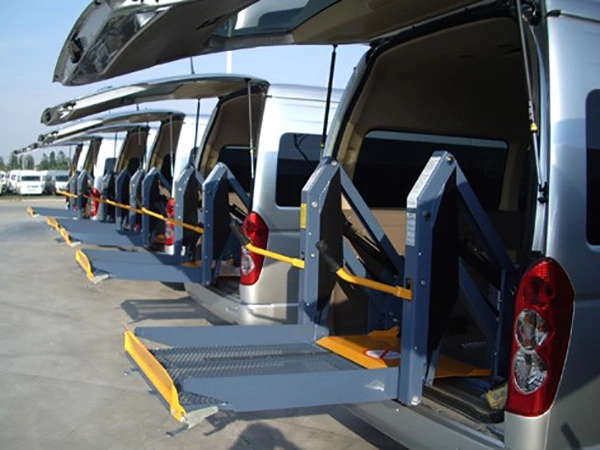
Wheelchair lifts are mechanical devices designed to assist individuals in wheelchairs to enter and exit vehicles. They can be installed in various types of vehicles, including vans, buses, and trucks, providing a safe and efficient means of transportation for those with mobility challenges. Unlike ramps, which require physical effort to navigate, lifts offer a powered solution that minimizes the need for assistance from caregivers.
There are several types of wheelchair lifts, each designed for specific applications:
- Vertical Lifts: These lifts move straight up and down, making them ideal for vehicles with limited space.
- Platform Lifts: These provide a flat surface for the wheelchair and can be used in various vehicle types.
- Foldable Lifts: Designed for compact storage, these lifts can be folded away when not in use, maximizing interior space.
Most wheelchair lifts operate using either hydraulic or electric systems. Hydraulic lifts use fluid pressure to raise and lower the platform, providing a smooth and powerful operation. Electric lifts, on the other hand, rely on electric motors to move the lift, often featuring remote controls for ease of use. Both systems are designed to ensure safety and reliability, with built-in safety features to prevent accidents.
Modern wheelchair lifts are increasingly incorporating smart technology. Features such as Bluetooth connectivity allow users to operate the lift via a smartphone app, enhancing convenience. Additionally, some lifts come equipped with diagnostic systems that alert users to maintenance needs, ensuring the lift remains in optimal working condition.
One of the most significant benefits of wheelchair lifts is the increased independence they provide to users. With a lift, individuals can enter and exit vehicles without assistance, allowing them to travel alone or with minimal help. This independence is crucial for personal empowerment and self-sufficiency.
Safety is a paramount concern for wheelchair users. Wheelchair lifts are designed with safety features such as non-slip surfaces, safety straps, and automatic shut-off mechanisms. These features help prevent accidents during the boarding and disembarking process, ensuring a secure experience for users.
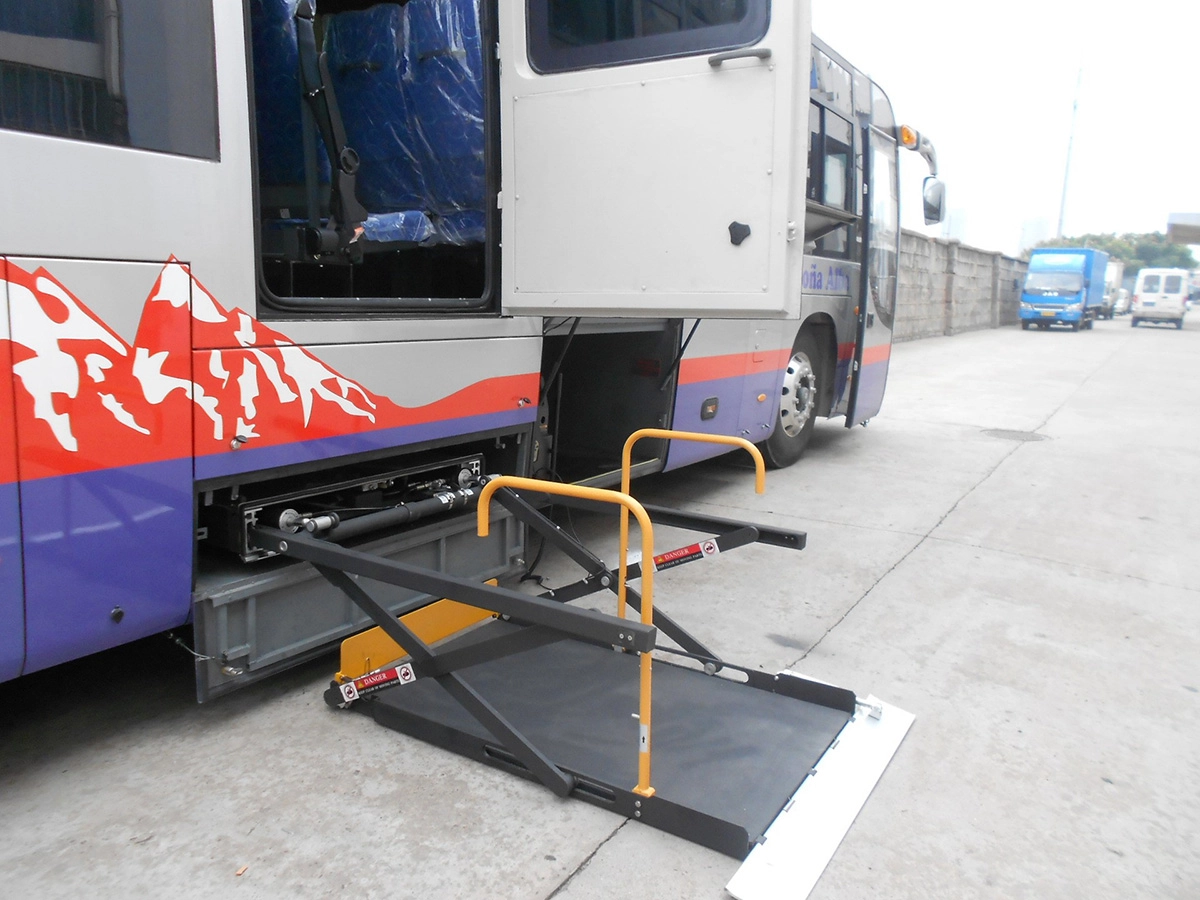
Wheelchair lifts are not only beneficial for personal vehicles but also play a vital role in public transportation. Many buses and trains are now equipped with wheelchair lifts, making it easier for individuals with mobility challenges to access public transit. This accessibility promotes inclusivity and allows users to participate fully in community life.
While the initial investment in a wheelchair lift may seem high, the long-term benefits often outweigh the costs. By enabling users to travel independently, wheelchair lifts can reduce the need for caregiver assistance, ultimately saving money on transportation services. Additionally, they can increase the resale value of a vehicle by making it more accessible.
Wheelchair lifts facilitate social inclusion by allowing users to participate in activities that may have previously been inaccessible. Whether attending social events, going to work, or visiting friends, the ability to travel independently enhances the quality of life for individuals with mobility challenges.
For families with a member who uses a wheelchair, wheelchair lifts can significantly improve daily life. They reduce the physical strain on family members who may otherwise need to assist with lifting and transferring. This not only fosters a more positive family dynamic but also allows for more spontaneous outings and activities.
Accessible transportation options, including wheelchair lifts, encourage community engagement. When individuals with mobility challenges can easily access vehicles, they are more likely to participate in community events, volunteer opportunities, and social gatherings. This engagement fosters a sense of belonging and connection within the community.
While wheelchair lifts offer numerous benefits, there are challenges associated with their installation and maintenance. Proper installation is crucial to ensure safety and functionality. Additionally, regular maintenance is necessary to keep the lift in good working order, which may require professional assistance.
The cost of wheelchair lifts can be a barrier for some individuals and families. While there are various financing options and grants available, the initial investment can still be significant. It is essential for potential users to explore all available resources to make accessibility more affordable.
Users may require training to operate wheelchair lifts effectively. Familiarization with the lift's controls and safety features is essential to ensure a smooth and safe experience. Manufacturers often provide training resources to help users and caregivers understand how to use the equipment properly.
The future of wheelchair lifts looks promising, with ongoing innovations aimed at improving accessibility. Advances in technology, such as AI and machine learning, may lead to even smarter and more efficient lift systems. Additionally, the integration of renewable energy sources could make lifts more environmentally friendly.
As awareness of accessibility issues grows, advocacy for wheelchair lifts and other assistive technologies is becoming more prominent. Organizations and individuals are working to promote policies that support the development and installation of accessible transportation solutions, ensuring that everyone has the opportunity to travel freely.
Wheelchair lifts are a vital component of accessible transportation, significantly improving the lives of individuals with mobility challenges. By enhancing independence, safety, and social inclusion, these devices play a crucial role in creating a more inclusive society. As technology continues to advance, the future of wheelchair lifts promises even greater accessibility and empowerment for users.
1. What types of vehicles can be equipped with wheelchair lifts?
- Wheelchair lifts can be installed in various vehicles, including vans, buses, trucks, and SUVs.
2. How do I choose the right wheelchair lift for my needs?
- Consider factors such as the type of vehicle, the weight capacity required, and whether you prefer a hydraulic or electric lift.
3. Are wheelchair lifts safe to use?
- Yes, wheelchair lifts are designed with multiple safety features, including non-slip surfaces and automatic shut-off mechanisms.
4. What maintenance is required for wheelchair lifts?
- Regular maintenance is essential, including inspections and servicing by qualified professionals to ensure safe operation.
5. Can wheelchair lifts be used in public transportation?
- Yes, many public transportation systems are equipped with wheelchair lifts to enhance accessibility for all passengers.
Hot Tags: China, Global, OEM, private label, manufacturers, factory, suppliers, manufacturing company