
Shenzhen Cadro Hydraulic Equipment Co.,Ltd
Views: 220 Author: cadrotaillift Publish Time: 2025-12-05 Origin: Site


Content Menu
>> Factors Influencing Load Capacity
>> Recommended Load Capacities
>> Automatic Door or Gate Locking
>> Compliance with Local Regulations
● Maintenance and Regular Checks
>> Recommended Maintenance Schedule
● User Training and Familiarization
>> Importance of User Training
When it comes to enhancing mobility for individuals with disabilities, wheelchair lifts play a crucial role. These devices not only provide access to different levels of a building but also ensure safety and comfort for users. Evaluating the load capacity and safety features of wheelchair lifts is essential for making an informed decision. This article will guide you through the key aspects to consider when assessing wheelchair lifts.

Load capacity refers to the maximum weight that a wheelchair lift can safely carry. This includes the weight of the user and their wheelchair or mobility device. Understanding the load capacity is vital to ensure the lift operates safely and effectively.
1. User Weight: The combined weight of the user and their wheelchair is the primary factor in determining the required load capacity. It is advisable to choose a lift with a higher capacity than the total weight to ensure safety and longevity.
2. Additional Equipment: If the user requires additional equipment, such as oxygen tanks or personal items, this should also be factored into the total weight.
3. Lift Type: Different types of wheelchair lifts have varying load capacities. For instance, vertical platform lifts typically support more weight than inclined lifts. Understanding the specific type of lift you are considering will help in evaluating its load capacity.
Most wheelchair lifts have a load capacity ranging from 300 to 750 pounds. It is crucial to check the specifications of the lift model you are considering to ensure it meets your needs. Always opt for a lift that exceeds the expected total weight to avoid overloading.
Safety should be a top priority when selecting a wheelchair lift. Here are some essential safety features to look for:
An emergency stop button allows users to halt the lift's operation immediately in case of an emergency. This feature is crucial for preventing accidents and ensuring user safety.
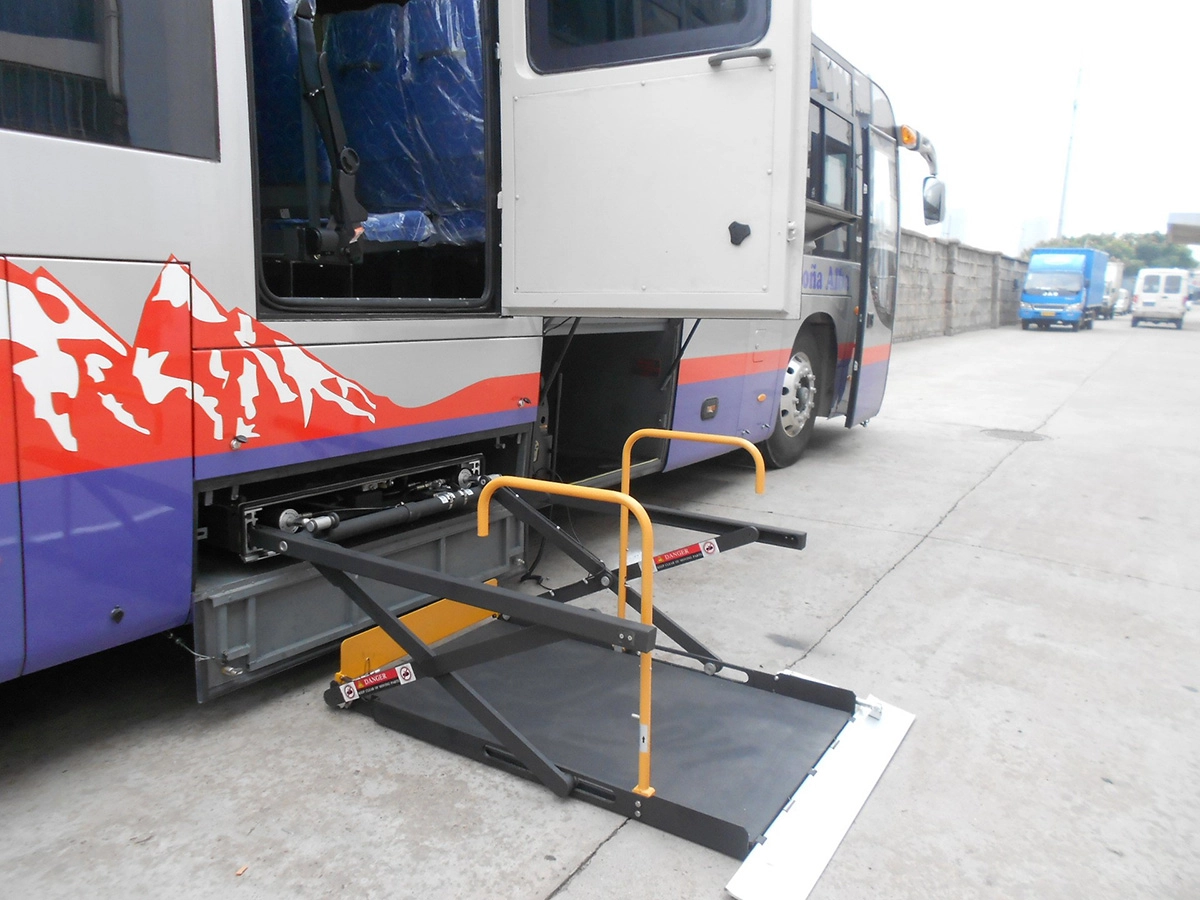
The platform of the lift should have a non-slip surface to prevent accidents during loading and unloading. This is particularly important for users who may have difficulty maintaining balance.
Many modern wheelchair lifts are equipped with safety sensors that detect obstructions. If an obstruction is detected, the lift will not operate, preventing potential accidents.
Automatic locking mechanisms for doors or gates ensure that the lift cannot be accessed while in operation, reducing the risk of falls or accidents.
In case of a power failure, a battery backup system ensures that the lift can still operate, allowing users to exit safely.
Proper installation is critical for the safe operation of wheelchair lifts. It is advisable to hire a professional who is experienced in installing these devices. They will ensure that the lift is installed according to safety standards and manufacturer guidelines.
Before installation, check local building codes and regulations regarding wheelchair lifts. Compliance with these regulations is essential for safety and may also be required for insurance purposes.
Regular maintenance is vital to ensure the safe operation of wheelchair lifts. This includes checking the mechanical components, electrical systems, and safety features. A well-maintained lift will operate more efficiently and safely.
1. Monthly Inspections: Conduct monthly checks to ensure that all safety features are functioning correctly. This includes testing the emergency stop button and checking the condition of the non-slip surfaces.
2. Annual Professional Inspections: Have a qualified technician perform a thorough inspection of the lift at least once a year. This will help identify any potential issues before they become serious problems.
Training users on how to operate the lift safely is crucial. This includes understanding how to use the controls, the importance of safety features, and what to do in case of an emergency.
1. Demonstration: Provide a hands-on demonstration of how to use the lift, including how to operate the controls and engage safety features.
2. Emergency Procedures: Educate users on emergency procedures, including how to use the emergency stop button and what to do if the lift stops unexpectedly.
Evaluating the load capacity and safety features of wheelchair lifts is essential for ensuring the safety and comfort of users. By understanding the factors that influence load capacity, assessing safety features, ensuring proper installation, and maintaining the lift regularly, you can make an informed decision that enhances mobility for individuals with disabilities.
1. What is the average load capacity of wheelchair lifts?
- The average load capacity ranges from 300 to 750 pounds, depending on the type and model of the lift.
2. What safety features should I look for in a wheelchair lift?
- Look for emergency stop mechanisms, non-slip surfaces, safety sensors, automatic door locking, and battery backup systems.
3. How often should wheelchair lifts be maintained?
- Monthly inspections are recommended, along with annual professional checks to ensure safe operation.
4. Can I install a wheelchair lift myself?
- It is advisable to hire a professional for installation to ensure compliance with safety standards and local regulations.
5. What should I do in case of an emergency while using a wheelchair lift?
- Familiarize yourself with the emergency stop button and procedures for safely exiting the lift if it stops unexpectedly.
Hot Tags: China, Global, OEM, private label, manufacturers, factory, suppliers, manufacturing company